Obey Musiwa-Herald Reporter
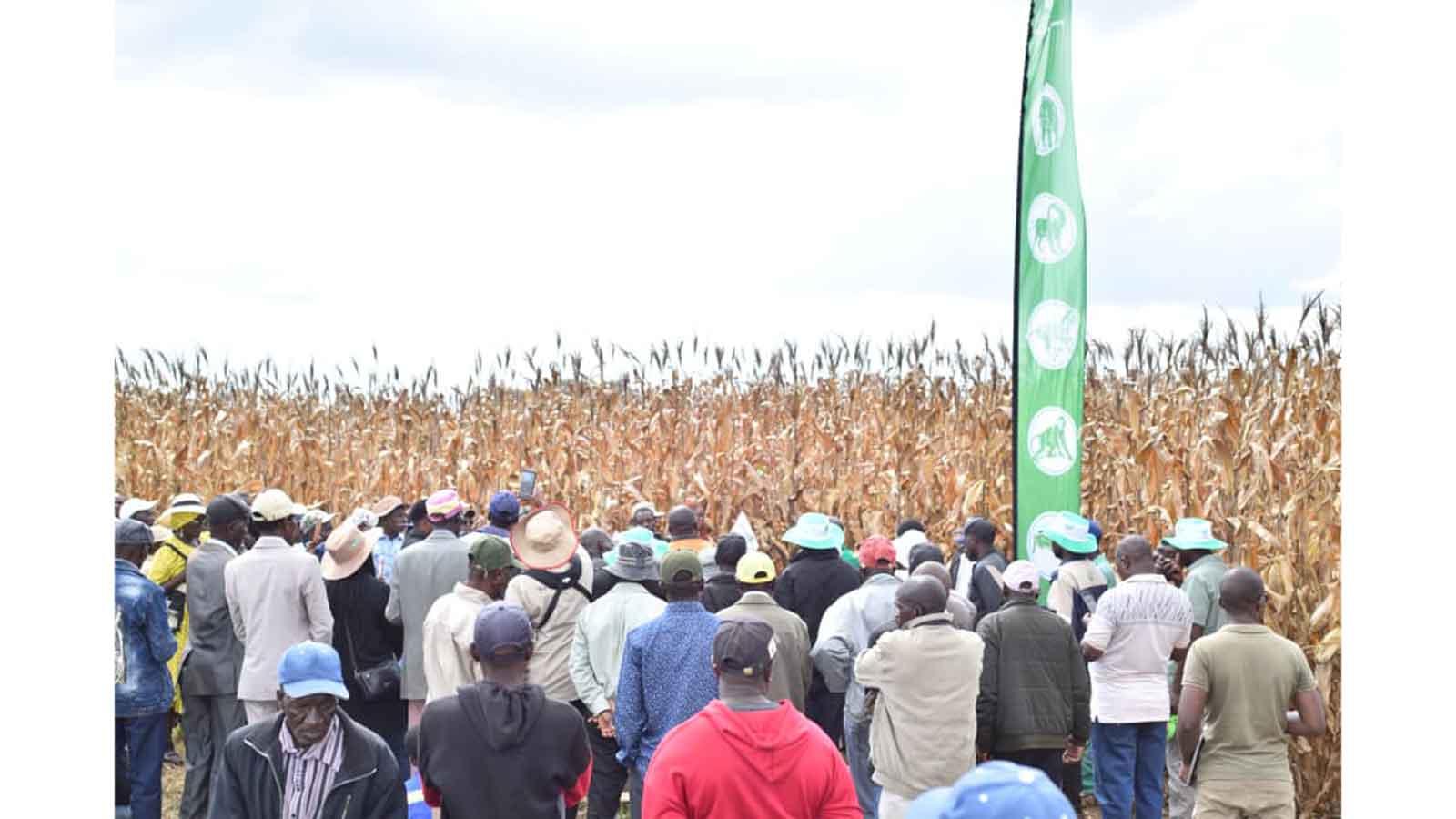
As climate pressures intensify across Zimbabwe, farmers and Government stakeholders gathered at Mudoti Farm in Chikomba West Constituency for the provincial field day, aiming to strengthen productivity and resilience during the peak harvesting season.
The event, attended by farmers, experts, and Government representatives, highlighted how irrigation schemes, horticulture projects, and livestock initiatives are reshaping rural livelihoods.
By focusing on climate‑smart strategies, the gathering underscored the urgency of adapting agriculture to unpredictable rainfall patterns and water scarcity.
Speaking to Zimpapers, Mudoti Farm’s operations director, Mr Patson Mazivisa, emphasised that irrigation and modern techniques are vital to sustaining harvests in the face of erratic weather.
“We cannot rely on rainfall alone; irrigation ensures that our crops survive even in dry spells,” he said.
“This field day is about sharing knowledge so that every farmer can boost productivity and secure food for their families,” said Mr Mazivisa.
He further said that collaboration with stakeholders is key to scaling up production.
“Working together with the Government and partners gives us access to resources we could not achieve alone,” he said.
“It is through these partnerships that we can expand horticulture and livestock projects to benefit entire communities.”
The acting District Development Coordinator, Ms Monica Mutsimba, said the Government is rolling out irrigation and horticulture programs to reduce dependence on rainfall.
“We are saying farmers should not wait for the rains but use irrigation even before the season begins.
“Here at Mudoti Farm, we have seen horticulture and livestock thriving under these initiatives,” said Ms Mudoti.
She emphasised that village business units and youth programs are transforming rural economies.
“In Ward 7, for example, over 100 000 king onions and aloe vera are being planted through community units,” she said.
“Young people and women are now actively involved in livestock production, showing that agriculture is a pathway to empowerment.”
By combining farmer innovation with government support, Chikomba West is positioning itself as a model for sustainable rural development in the face of climate change.