Takunda Gambiza-Herald Reporter
The Research Council of Zimbabwe (RCZ) has challenged universities and researchers to focus on practical, industry-driven studies that contribute directly to national development and economic growth.
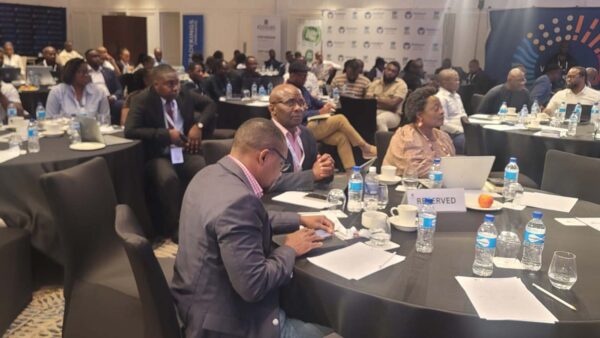
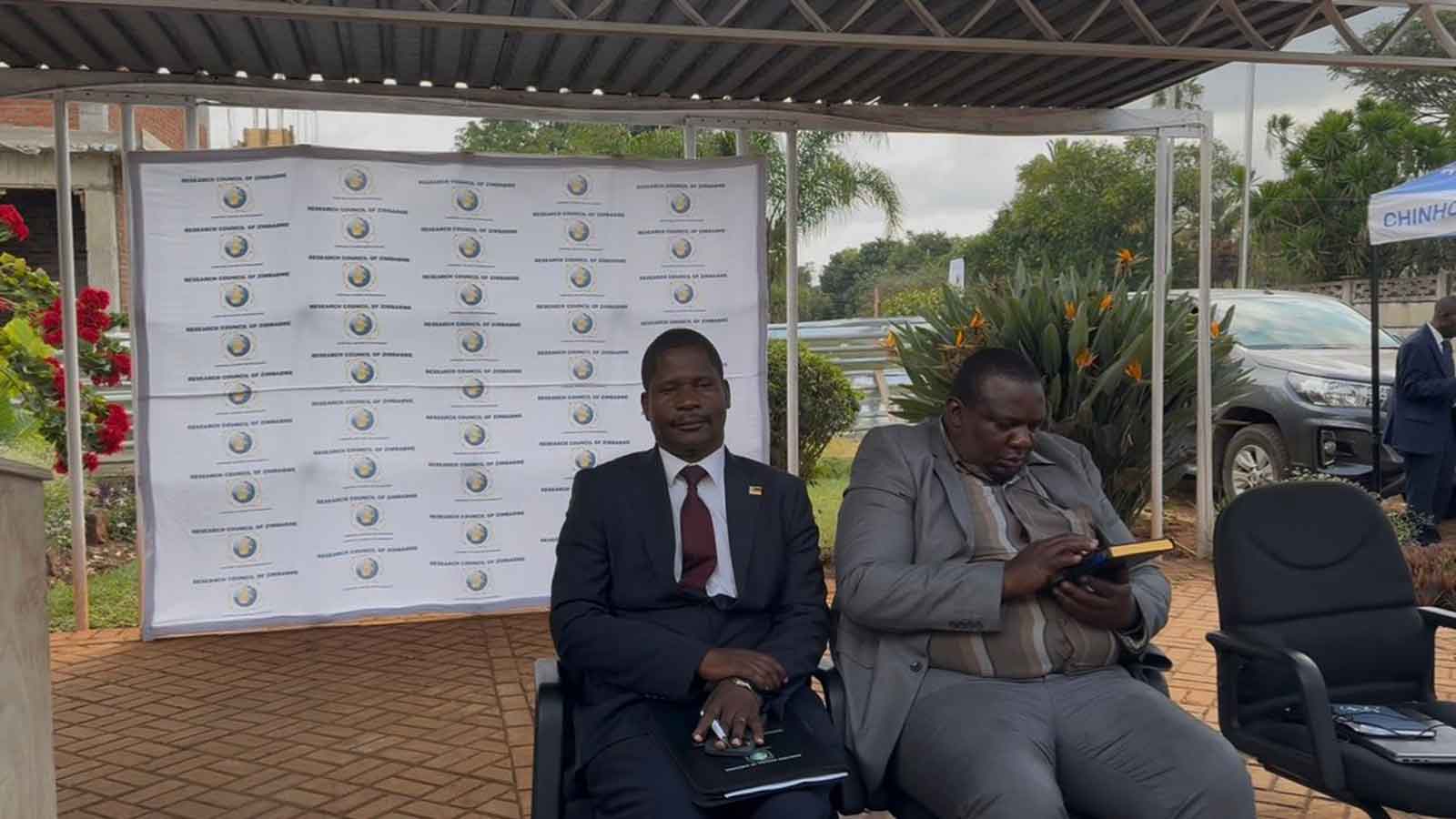
Speaking during an inaugural engagement with Chinhoyi University of Technology (CUT) PhD students in Harare today, RCZ executive director Dr Partson Chikudza said research must move beyond academic theory and produce solutions that can be commercialised and applied in.
Dr Chikudza said the event came at a time when Cabinet had approved the Research Amendment Bill, which seeks to establish the Research Authority of Zimbabwe and a Research Fund targeting at least one percent of GDP towards research and development funding.
“The fund will support innovation, technology and adaptation, including issues to Artificial Intelligence, biotechnology, industrialisation and human resource development to strengthen the country’s research capabilities,” he said.
He said RCZ was positioning itself at the centre of collaboration between academia, the Government, and industry to ensure research contributes meaningfully to national development.
“Our role is not just to support research, but to ensure that it makes a meaningful contribution to national development,” said Dr Chikudza.
“We are interested in research that works, research that can be applied, scaled and ultimately commercialised to provide goods and services.”
Dr Chikudza said many research projects fail to progress beyond academic papers, adding that RCZ wanted to change that trend.
“Research should have impact otherwise, research without impact is just making noise,” he said.
He cited the Midlands State University coal tar project in Zvishavane, being implemented in partnership with RCZ and the Ministry of Transport and Infrastructure Development, as an example of applied research.
“The project is producing coal tar for road construction using locally available resources from Hwange and Shabanie-Mashava,” he said.
“Zimbabwe will begin to reduce its dependence on imported bitumen, and the cost of tarring roads is envisaged to be reduced by 50 percent.”
CUT Graduate Business School director Prof Obert Sifile said universities were aligning research with the Government’s National Development Strategies and Vision 2030.
“What we want is real research to drive the economy of Zimbabwe,” he said.
“We are trying to make students focus on Government initiatives and programmes rather than having research that is not linked to anything.”
Prof Sifile said the university’s engagement with RCZ was meant to “kill silos” and create partnerships that connect academia with funding institutions and industry players.
Scientific and Industrial Research and Development Centre (SIRDC), Director of Partnerships and Resource Mobilisation Dr Philemon Kwaramba, said collaboration between universities, research institutions and industry would improve policy formulation and innovation commercialisation.
“When the parties meet and share ideas, the results can only be positive. When you commercialise innovations, it feeds into the economy and industry at large,” he said.
CUT PhD student Mr Talent Jorijo welcomed the initiative, saying students were now expected to produce research that addresses national challenges.
“Our research should be focused mainly on providing solutions towards the realisation of an upper-middle-income economy by 2030,” he said.