Online Reporter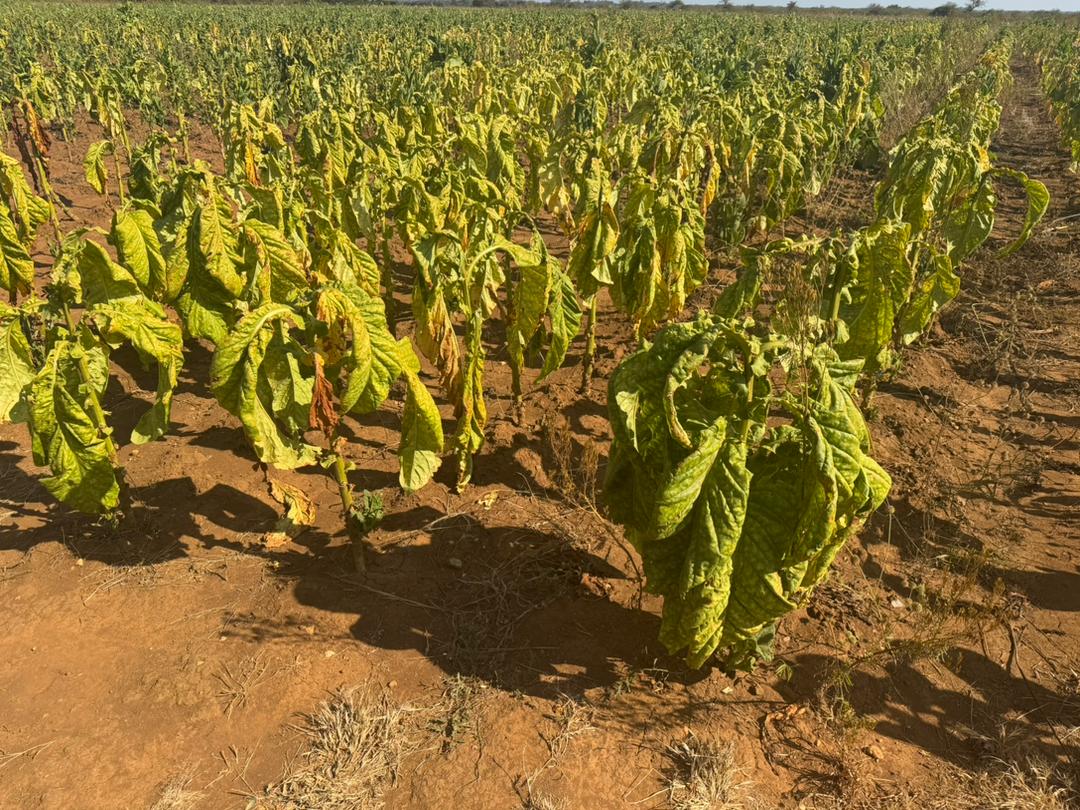
Raymond Jaravaza, Zimpapers Reporter
FARMERS were given a deadline of 15 May to ensure that all tobacco stalks in their fields are destroyed to prevent the spread of diseases and pests that have the potential of negatively affecting next season’s crop.
The Tobacco Industry and Marketing Board (TIMB) in a statement said failure to comply with this requirement is an
offence and may attract fines or imprisonment.
According to TIMB, 266, 048,071 kilogrammes of tobacco valued at US$ 673,076,147
had been sold as of 21 May 2026.
“Across tobacco-growing communities, there is one activity that may look simple but carries enormous importance for the future of every farmer’s crop, tobacco stalk destruction.
“After reaping, many tobacco fields remain with standing stalks, the remains of the tobacco plant after all
leaves have been reaped. To some, these stalks may seem harmless. However, hidden within those
standing stalks is a danger that many farmers only fully understand when the next crop begins to suffer,” said TIMB.
“Those leftover stalks become homes for pests, diseases, viruses and nematodes. They allow these destructive organisms to survive from one season to another, waiting quietly for the next tobacco crop to
emerge,”
The Plant Pests and Diseases Act [Chapter 19:08], requires every tobacco
grower to destroy all tobacco stalks by 15 May every year.
“Failure to comply with this requirement is an offence and may attract fines or imprisonment.
“But beyond the law, stalk destruction is about protecting the farmer.
When growers destroy stalks properly by uprooting the entire plant and removing all living roots from the
soil, they create what experts call a “dead period,” a time when there are no living tobacco plants in the
ground,” said TIMB.
By destroying tobacco stalks, farmers break interrupts the life cycle of pests and diseases and prevents them from carrying over into
the next season.
“Without a host plant to feed on, many pests simply die. For the farmer, this means starting the next season
with cleaner and healthier fields.
Unfortunately, when stalks are left standing in fields, the consequences often return months later in painful
ways. Farmers begin to notice pests that are difficult to control. Diseases spread faster.
“More chemicals are required. Spray programs become more expensive. Some pests even become resistant to chemicals over
time, forcing growers to increase dosages and buy more agrochemicals just to achieve the same results,”
TIMB noted that in an environment of subdued global tobacco prices and increasing production costs, every unnecessary expense eats into the farmer’s profits.
“What many farmers may not immediately realise is that stalk destruction is actually one of the cheapest forms of pest and disease control available. It is a simple cultural practice that saves money long before
chemicals are needed.
“Healthy fields also produce healthier tobacco.
Diseases such as Tobacco Mosaic Virus (TMV) and other viral infections negatively affect the chemical
composition, colour, texture and quality of tobacco leaves. Tobacco with poor quality characteristics
struggles to attract competitive prices at the market,”
Growers are also reminded that the earliest legal date for the establishment of tobacco seedbeds is 1 June.
“Establishing seedbeds before this date is against the law and exposes young seedlings to early pest and disease pressure.
The period between 15 May and 1 June is not just a gap on the calendar. It is an important protection window for the entire tobacco industry.
“Farmers are also encouraged to practice crop rotation after stalk destruction. Rotating crops helps naturally
break pest and disease cycles while improving soil health and nutrient balance,” said the tobacco regulatory body.