Online Reporter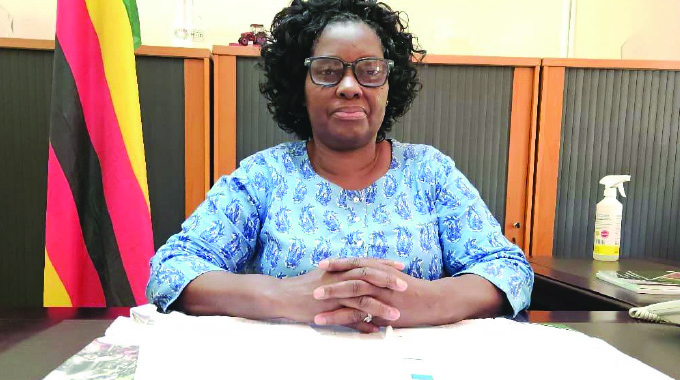
Nyasha Simbisai
Agriculture Correspondent
Directorate of Agricultural and Rural Development Advisory Services (ARDAS) has implored farmers to intensify field scouting and promptly report pest outbreaks as the country’s summer cropping season reaches its peak under favourable rainfall conditions.
Scouting in farming means regularly walking your fields to check how crops are performing; spotting pests, diseases, weeds or nutrient issues early.
Ministry of Lands, Agriculture, Fisheries, Water and Rural Development, (ARDAS) chief director, Mrs Medlinah Magwenzi, said farmers should look out for pests such as fall armyworm, African armyworm and locusts as they pose a serious threat to crops if not detected and controlled early.
“With the good rains we are receiving, crops are looking promising, but this also creates conditions for pests to thrive,” said Mrs Magwenzi. “Farmers must be vigilant in scouting their fields and quickly report any outbreaks to officers from the ministry. The chemicals are readily available and response teams are on standby. We are simply waiting for reports so that control measures are implemented immediately to protect yields.”
She said delayed reporting often resulted in widespread crop damage, undermining the gains made from the favourable rainfall outlook.
Mrs Magwenzi also expressed concern over increasing cases of waterlogging in crop fields following persistent rains across most parts of the country, noting that poor field drainage was already affecting crop health.
“As we assess crops around the country, we are seeing fields where water has no way to leave. The land is flat, there are no drainages, and crops are turning yellow. If this continues, plants will eventually die,” she said.
She urged farmers to take immediate corrective action by constructing drainages, ridges and other water diversion channels to allow excess water to flow away from crops.
“In some areas, crops have been washed away entirely because water was trapped in the field and, with force, ended up carrying plants to the edge of the field. That is a complete loss which can be avoided,” Mrs Magwenzi said.
She emphasised that drainage systems should not only be addressed as a reaction to heavy rains, but planned proactively, particularly during the winter season when land preparation is ideal.
“Winter is the best time to put in proper drainages. If we are proactive, we can prevent most of these problems during the rainy season,” she said.
Mrs Magwenzi urged farmers to consistently apply recommended agronomic practices to maximise production.