admin
admin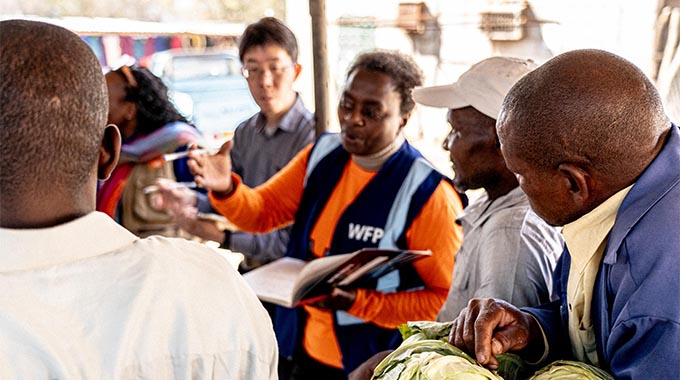
Elita Chikwati
Features Editor
More than 200 smallholder farmers in Chiredzi, Rushinga and Mwenezi have been trained on securing lucrative markets for their produce in advance before they grow the crops.
The training was done by the Japan International Cooperation Agency (JICA) through the smallholder horticulture empowerment and promotion (SHEP) approach in collaboration with the Ministry of Lands, Agriculture, Fisheries, Water and Rural Development and World Food Programme.
The training was also extended to extension officers.
Mwenezi smallholder farmer Ms Nelta Chiriga, who was trained last year said in the past, she used to grow vegetables first and then look for a market after harvesting but she now appreciates that is not the proper way of farming.
“Before we were trained, we used to plant crops, harvest them and then look for the market but now we know that you search for the market and then grow what is required,” she explained.
More than 60 percent of Zimbabwe’s population lives in rural areas, and agriculture is their livelihood. They need to secure markets for their grains, vegetables, fruits, and livestock.
Mwenezi Agricultural and Rural Development Advisory Services (Ardas) district head, Mrs Veronica Muchechetere said if the farmer supplies the required quantity and quality produce at the time demanded by the market, he or she will make profits.
“SHEP is a cost-effective way of farming because it tries to remove the middlemen or allows farmers to work hand in hand with the buyer. It gives the farmer room to research before growing,” she said.
Mwenezi District Development Coordinator, Mr Isaac Mutambara highlighted that over the years, the market had been determining the prices, thereby short-changing farmers most of the time. He applauded the SHEP concept.
“The Government has noted that farmers are not getting real value for their produce. This approach should also be extended to livestock as well. Both sides, the farmer and the buyer should be winners. We do not want the big brother syndrome,” he said.
Farmers in Mwenezi now supply produce to nearby schools, hospitals, and hotels.
The SHEP approach was first implemented in Kenya and has spread to more than 20 other African countries.
Meanwhile, JICA has been hosting international SHEP workshops and providing venues for relevant parties to create knowledge on agricultural extension.



 Online Reporter