

 admin
admin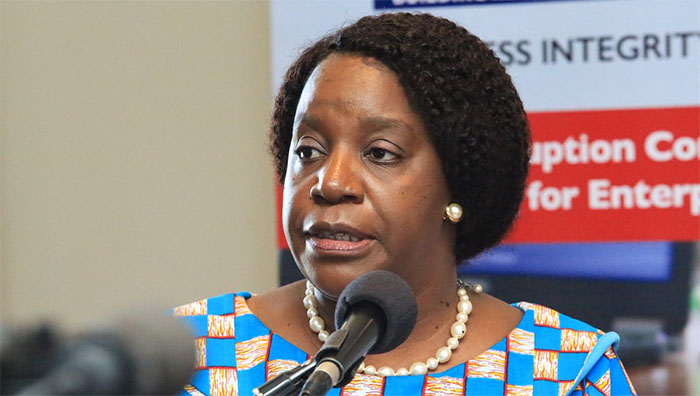
Elita Chikwati
Features Editor
Financial institutions have been urged to become innovative and come up with funding models adaptable to where women are, to promote stronger and more sustainable businesses, and so implement in practical ways the gender-equality policies now in place in most countries.
This would also enhance the role played by women in economic development in the region through job creation and poverty alleviation.
This came out at the annual general meeting of the Comesa Federation of Women in Business (COMFWB) held in Lusaka, Zambia, recently.
It was emphasised that there was need to address women’s equal access to business leadership and entrepreneurship and to incorporate gender into corporation responsibility and evaluation of the impacts of the ways business is done today.
Addressing delegates, Comesa secretary general Mrs Chileshe Mpundu Kapwepwe said entrepreneurship was a powerful driver of economic growth.
“There is compelling evidence that entrepreneurship is a powerful driver of economic growth. That women make significant contribution to the economy through their entrepreneurial activities and involvement in the labour market is indisputable,” she said.
While member states had made tremendous strides in putting in place specific legal and policy frameworks for women’s enterprise development, the challenge has always been their implementation.
“Our work at Comesa is therefore to closely collaborate with COMFWB to ensure that the member states walk the talk. There is need to ensure that member states and financial institutions endeavour to get more capital into the hands of women,” said Mrs Kapwepwe.
“I am glad that COMFWB has documented women entrepreneurs who have been equipped with the necessary resources and skills and are running stronger businesses. Some of the women have benefited from the Regional Enterprise Competitiveness and Access to Markets (RECAMP) project.”
Mrs Kapwepwe said discrimination remained and continued to exclude women from economic governance and created barriers for women as business leaders, decision-makers and entrepreneurs.
She called for the implementation of deliberate programmes to address this as well as gender-based violence in workplaces.
“Over time, Comesa has implored and carried out proactive advocacy in its member states to adopt strategies that respond to hindrances in cross-border trade, especially informal trade, the traders continue to face challenges,” she said.
“Most women entrepreneurs are faced with several challenges which include limited knowledge and skills; limited access to finance because of the burdensome conditions set by the financial sector on obtaining loans, such as high interest rates and requirements for collateral.”
These constraints, Mrs Kapwepwe, said also applied to men but tended to affect women in a disproportionate manner.
“Women face several gender-specific risks and challenges in border areas, including verbal violence, harassment, and sexual abuse. Very often, they also need to carry heavy sacks of merchandise on long distances due to insufficient storage facilities,” she said.
“My office shall continue to collaborate with COMFWB in ensuring that small-scale cross-border trade has more direct impact on poor households and promote women’s economic empowerment efforts.”
According to Comesa, tackling challenges related to informal cross-border trade and creating a gender-sensitive border environment can go a long way in helping reduce the extreme poverty still faced by women in the border communities of most countries in the region.
Comesa is now implementing the small-scale cross border trade initiative to address these challenges.
With its 21 member states and a population of over 586 million, Comesa is a major marketplace for both internal and external traders and investors.
The region also provides several opportunities for business development in various sectors such as agriculture, tourism, mining and services sector.
Mrs Kapwepwe said there was need to support the development of entrepreneurs to produce goods and take advantage of these opportunities.
“We need to be ready for the African Continental Free trade area which is also a huge opportunity for business growth.
“To ensure that we succeed, we should beseech our respective governments to foster a conducive environment by creating supportive legal and policy frameworks in place,” she said.
The Comesa treaty has prioritised the development of women entrepreneurship and empowerment.
Meanwhile, COMFWB board chair Ms Maureen Sumbwe said they had been working closely with Comesa.
“We have in the past provided women-owned or led small and medium enterprises with improved access to finance, market linkages, mentoring and capacity building, while also addressing policy, legal and regulatory obstacles that clip the wings of women entrepreneurs,” she said.
“As I look back to 2022, I would like to express my deepest appreciation and gratitude to all our chapters for delivering such remarkable performance in our programmes.
“We have convened regional Comesa Tunisia Business women’s day international conference in Tunisia and the Indio Ocean Madagascar SAFE Trade fair, just to mention a few, which attracted regional audiences. This has really helped in ensuring that we are able to increase visibility of our organisation.”



 Online Reporter