Online Reporter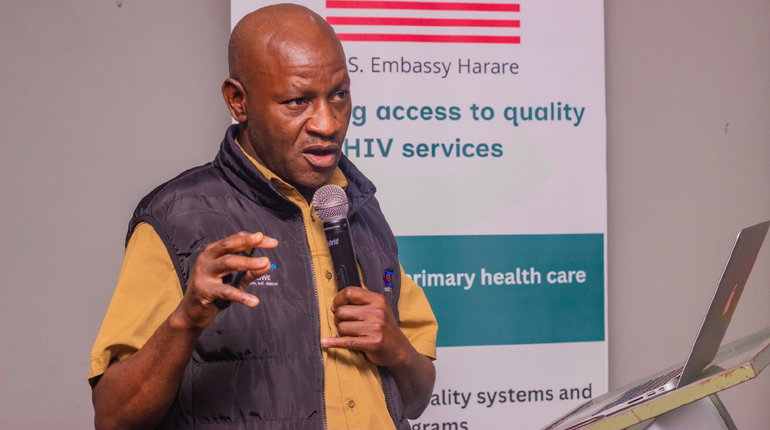
Tendai Gukutikwa
Post Reporter
ZIMBABWE’S gains in the fight against HIV can only be sustained through increased and predictable financing for health programmes, with experts warning that funding shortfalls could undermine access to life-saving prevention and treatment services.
Compass Zimbabwe country director, Mr Munyaradzi Chimwara, said while the country has recorded significant success in reducing HIV transmission through a combination of proven prevention strategies, sustained investment remains critical to protecting those achievements and expanding access to new and emerging interventions.
Speaking during a recent discussion on HIV prevention financing, Mr Chimwara said Zimbabwe’s progress was built on decades of investment in behavioural change programmes, treatment initiatives and community-driven interventions, but cautioned that the momentum could be lost without adequate and reliable funding.
“We did very well with our ABCs — abstinence, being faithful for those who managed to keep it, and condom use. These interventions played a very important role in reducing HIV transmission and changing behaviour within communities,” he said.
“However, we have also experienced challenges, particularly in condom distribution, due to supply chain disruptions linked to funding constraints. This demonstrates that financing lies at the heart of sustaining the progress we have made.”
Mr Chimwara said sustainable financing was essential not only for maintaining established HIV prevention programmes, but also for supporting innovative tools and technologies that are transforming HIV prevention efforts globally.
He noted that several prevention methods once confined to research and pilot programmes are now being integrated into public health systems, creating new opportunities to reduce infections while improving access to prevention services.
“When we started discussing products such as microbicides, they were still in development. They were ideas that many people were following through research, but today we have products that are no longer just in the pipeline. They are now part of the choices available to communities, and that means our systems and our communication must also respond to that reality,” he said.
He said expanding prevention options is important because people has different circumstances, and need access to a range of interventions that suit their needs.
Mr Chimwara said discussions around health financing should focus on ensuring that allocated resources translate into actual services and improved access for communities.
He said sustainable health financing remains a major issue across the continent, with African countries having committed themselves to increase investment in healthcare through initiatives such as the Abuja Declaration.
Under the Abuja Declaration, African union member states committed to allocate 15 percent of their national budgets to health, although many countries have struggled to meet that target.
He said Zimbabwe had previously moved closer to meeting the commitment, but emphasised the need for continued efforts to ensure adequate funding for the health sector.
“The discussion around the Abuja Declaration is important because it speaks to prioritising health. But beyond percentages, we also need to look at whether the money allocated is enough to meet the needs of the population,” he said, adding that international benchmarks on health financing also highlight the importance of increasing spending per person to ensure countries could adequately respond to healthcare demands.
Mr Chimwara said community involvement is also important in ensuring that available resources are being used effectively.
He said community-led monitoring initiatives has helped identify challenges within health systems and provide evidence that can guide decision-making.
He said evidence gathered from communities allowed stakeholders to engage policymakers and health authorities on areas requiring attention.
Mr Chimwara also highlighted the important role of the media in creating awareness around health financing and new developments in HIV prevention.
“The media has a critical role because it helps communities understand issues that may appear technical. People need accurate information to make informed decisions about their health,” he said.
Mr Chimwara said maintaining Zimbabwe’s HIV gains required collaboration between the Government, communities, health workers and other stakeholders.
“The progress that we have achieved did not happen by accident.
“It came through investment, commitment and partnerships. To protect these gains, we must continue investing in health,” he said, adding that sustainable financing will determine whether countries can continue responding effectively to HIV and other public health challenges.