Online Reporter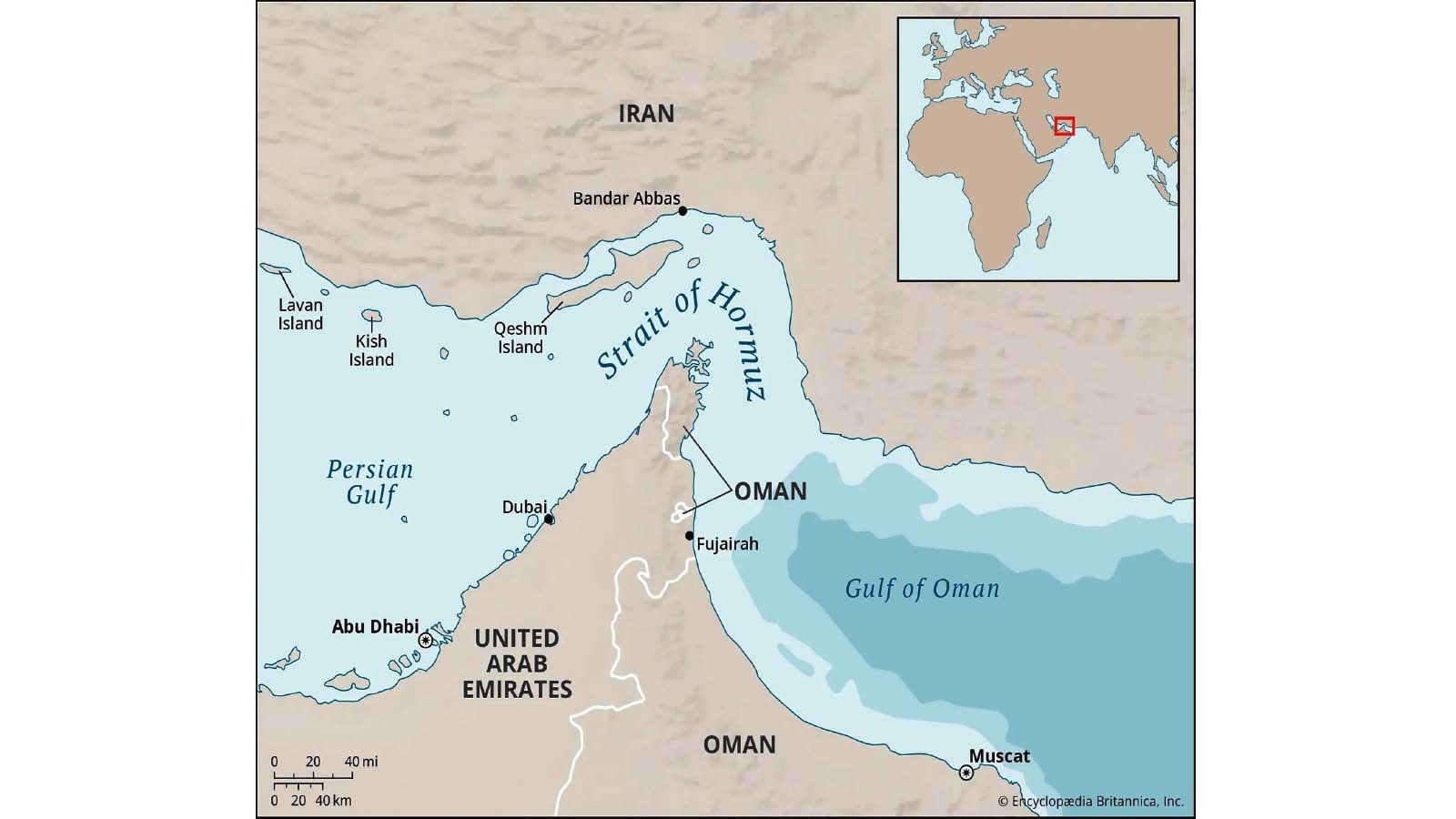
Business Reporter
Businesses need to shift from reactive cost management to strategic resilience planning, including energy hedging and supply diversification, to contain cost pressures and procurement disruptions arising from the Middle East crisis, a key industry body said.
Zimbabwean businesses face a prolonged recovery period, with elevated procurement costs expected to linger after the Middle East crisis subsides, a survey by the Confederation of Zimbabwe Industries (CZI) has found.
Despite a recent ceasefire on April 8, 2026, companies remain entangled in deep-seated supply chain disruptions.
Rerouting vessels around the Cape of Good Hope has added up to 15 days to maritime transit times, with port congestion expected to take months to clear.
While crude prices may stabilise, the loss of 10-12 percent of global refining capacity in the conflict zone continues to squeeze fuel supplies, particularly for diesel and jet fuel.
Over 99 percent of local firms reported disruptions, with many forced to hold more expensive buffer stock or find alternative, higher-cost suppliers to ensure certainty. Rebuilding energy-intensive supply networks for essential raw materials like steel and fertiliser could take 12 to 24 months.
The most affected industries include manufacturing and raw materials, transport and logistics, and agriculture and fertilisers.
Industry and Commerce Minister Mangaliso Ndlovu, however, said the prices of most basic commodities in Zimbabwe have remained relatively stable despite cost pressures from surging fuel prices triggered by the ongoing Middle East crisis.
Speaking at a dialogue on geopolitical risks hosted by a regional economic think tank, Africa Economic Development Strategies (AEDS), at the Rainbow Towers on Thursday, Minister Ndlovu noted that most businesses have absorbed the rising costs and not passed them on to consumers, including those in logistics-heavy sectors.
Minister Ndlovu highlighted that the Government’s monitoring of a 14-product “basic basket” shows minimal price movement across the board.
“Most of these increases have been absorbed; prices have remained relatively the same,” said Minister Ndlovu.
Industry experts warn that the fallout from the US-Israeli conflict with Iran — marked by rerouted shipping lanes and crippled refining capacity — has created a “lag effect” that will keep operational expenses high long after the guns fall silent.
The survey by CZI shows that most companies expect a prolonged period of price pressure, highlighting the vulnerability of Zimbabwe’s import-dependent economy to external shocks.
The findings, based on responses from 140 firms across sectors including manufacturing, agriculture and services suggest the conflict has evolved from a geopolitical issue into a broad economic shock affecting the entire productive sector.
According to the survey, firms are now facing persistent cost pressures linked to fuel, logistics, imported inputs and shipping costs which have filtered through the entire value chain.
One of the most striking findings from the survey is that the majority of businesses do not expect to cut prices immediately after the conflict ends. About 55 percent of firms indicated they are unlikely to reduce prices within the first 30 days of a peace resolution.
Zimbabwe’s biggest and most influential industrial lobby said this reflects the reality that operational costs often take longer to
stabilise even after geopolitical tensions subside.
“Operational costs require a significant amount of time to normalise and adverse inflation expectations can make businesses hesitant to lower prices until they are certain of sustained stability,” CZI said in the survey report.
CZI added that while around 45 percent of firms reduce prices relatively quickly, this group largely consists of businesses with shorter supply chains or lower exposure to international shipping routes.
The survey, therefore, highlights the phenomenon economists describe as “price stickiness”, where companies delay cutting prices until supply chains stabilise and cost conditions improve consistently. Zimbabwean firms say rising fuel prices and logistics costs remain the biggest drivers of higher operating expenses.
CZI noted that fuel acts as a “meta-cost” within the economy because it influences nearly every stage of production and distribution.
“Fuel affects production, distribution and pricing, creating a second-round inflation effect where the initial shock cascades across sectors,” the organisation said.
The conflict has also intensified supply chain fragility, with 68 percent of firms experiencing logistical problems.
Businesses cited delays in shipping and customs clearance, shortages of raw materials and uncertainty in delivery schedules as key challenges affecting operations.
These disruptions have placed additional strain on working capital as companies are forced to hold higher inventories and absorb unpredictable delivery times.
Even if the geopolitical crisis ends soon, firms believe operational costs will take several months to return to pre-conflict levels. The survey found that 34 percent of respondents expect cost normalisation to take about one fiscal quarter.
However, 43 percent believe it could take between five months and more than seven months for costs to stabilise fully.
Only 23 percent of firms anticipate a rapid recovery within one to two months.
CZI said this suggests that nearly half of the surveyed companies believe the conflict has caused longer-term structural damage to global supply chains.
“The most frequent response suggests that it would take roughly one fiscal quarter for costs to return to pre-conflict levels,” the organisation said.
“This reflects a price stickiness phenomenon where costs, particularly those linked to energy and logistics, do not drop immediately even when global market conditions improve.”
CZI said the survey highlights the need for businesses and policymakers to focus on long-term economic resilience.
“Businesses need to shift from reactive cost management to strategic resilience planning, including energy hedging and supply diversification,” the organisation said.
The Government was also urged to continue prioritising macroeconomic stability, energy security and trade facilitation reforms to reduce the economy’s exposure to global shocks.
The report suggests that while profit margins may remain under pressure in the short term, opportunities could emerge in logistics, alternative energy and local manufacturing.
Analysts say strengthening domestic production capacity and improving regional supply chains could ultimately help shield Zimbabwe’s economy from similar global disruptions in the future.
Economists say the findings highlight Zimbabwe’s exposure to imported inflation. Harare-based economist Mr Tinevimbo Shava said the country’s reliance on imported fuel, raw materials and industrial inputs makes it particularly vulnerable to global shocks.
“Zimbabwe is structurally exposed to imported inflation because energy and logistics costs feed directly into domestic production,” Mr Shava said.
“Even when geopolitical tensions ease, companies still need time to clear higher-cost inventories and renegotiate supply contracts.”
Another economist, Mr Dion Mazhahwidza, said the cascading nature of energy costs explains why price pressures often persist long after the initial shock.
“When fuel prices rise, transport becomes more expensive, production costs increase and businesses pass those costs through the value chain,” Mr Mazhahwidza said.
“That is why prices rarely fall immediately when the external trigger disappears.”