


 malvernmugadzikwa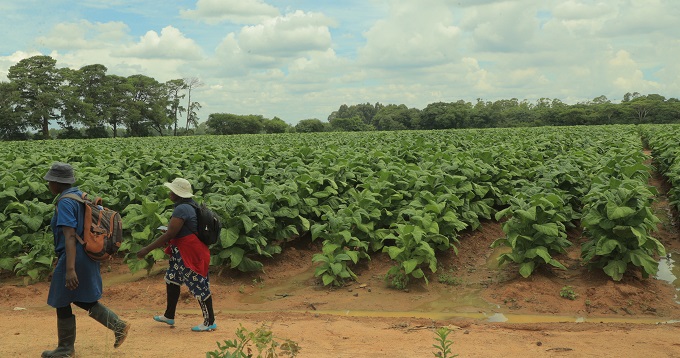
Theseus Shambare
THE first round of the Crop, Livestock and Fisheries Assessment, which began on January 20, is nearing completion, with data collection expected to end on Tuesday.
Despite heavy rains in many parts of the country in recent weeks, agriculture business advisers (ABAs) — formerly extension officers — managed to conduct rigorous assessments across 1 600 wards countrywide.
Preliminary findings indicate a promising crop outlook, raising hopes of a bumper harvest.
“The crop, livestock and fisheries assessment is progressing well,” said Mr Leonard Munamati, the acting chief director of the Agriculture and Rural Advisory Services (ARDAS). Our officers have demonstrated remarkable resilience and determination, continuing to collect data despite the challenging conditions.”
Collected data, he said, will undergo thorough verification before the final report is compiled and submitted to Cabinet in the first week of February.
The assessment aims to provide crucial early insights into the agricultural season’s progress and inform national food security strategies.
The Government has equipped the ABAs with the necessary tools and resources to conduct the assessment, including motorcycles with waterproof gear, fuel allowances and satellite-linked tablets for data collection.
Over 1,7 million hectares (ha) have been put under maize production, while close to 600 000ha are under traditional crops.
Mashonaland Central has recorded great strides in crop production as most parts of the province have received good rains.
“The rainfall has been beneficial for crop growth, with 60 percent of the assessed crops categorised as good, 30 percent as fair and 10 percent as poor,” said Mrs Philipa Rwambiwa, the Mashonaland Central ARDAS provincial director. “However, challenges such as fertiliser shortages and pest infestations continue to impact some areas,” she added.
The business advisers have faced significant challenges, including flooded rivers, impassable roads and landslides, to reach farmers.
“The secret behind our success lies in the dedication of our ward ABAs,” said Ms Medlinah Magwenzi, the Mashonaland West ARDAS provincial director.
“They have consistently shown a high level of commitment since the implementation of various programmes under the Second Republic.“In terms of crop situation, our crops have greatly improved, with tobacco farmers having started harvesting and potato production having improved so much,” she said.
Matabeleland South province ARDAS director Ms Shupikai Sibanda said teams are actively engaged in data collection across the province. “The ABAs are on the ground collecting data despite the challenges posed by incessant rains.
“While crops are showing signs of growth, vigilance against the fall armyworm is needed. Farmers need to diligently scout their fields to prevent significant yield losses,” she said.
The recent distribution of tablets to all ABAs, she said, has significantly enhanced their data collection capabilities and equipped them for the challenges ahead.
Recognising the importance of sustainable livestock practices, the province is actively advising farmers to cultivate fodder crops, maximise water utilisation and effectively control weeds. The Tobacco Industry and Marketing Board completed its crop assessment on January 17 and the findings are expected to be released soon.
TIMB spokesperson Mrs Chelesani Moyo-Tsarwe said: “Our teams are combining their reports and we will share the results as soon as the report is finalised.
“However, all assessment activities were overseen by TIMB’s four regional managers to ensure accuracy and maintain the highest standards.
“We deployed eight teams across four provinces: Mashonaland East, Mashonaland West, Mashonaland Central and Manicaland.
“Each province was covered by two dedicated teams. “These teams comprised experts, including sales supervisors, technical officers and arbitrators, who would visit tobacco farms to assess production stages, evaluate crop quality and generate estimates of potential output.”
Over 108 368 hectares of tobacco have been planted compared to 105 119 hectares last year.



 Online Reporter