Online Reporter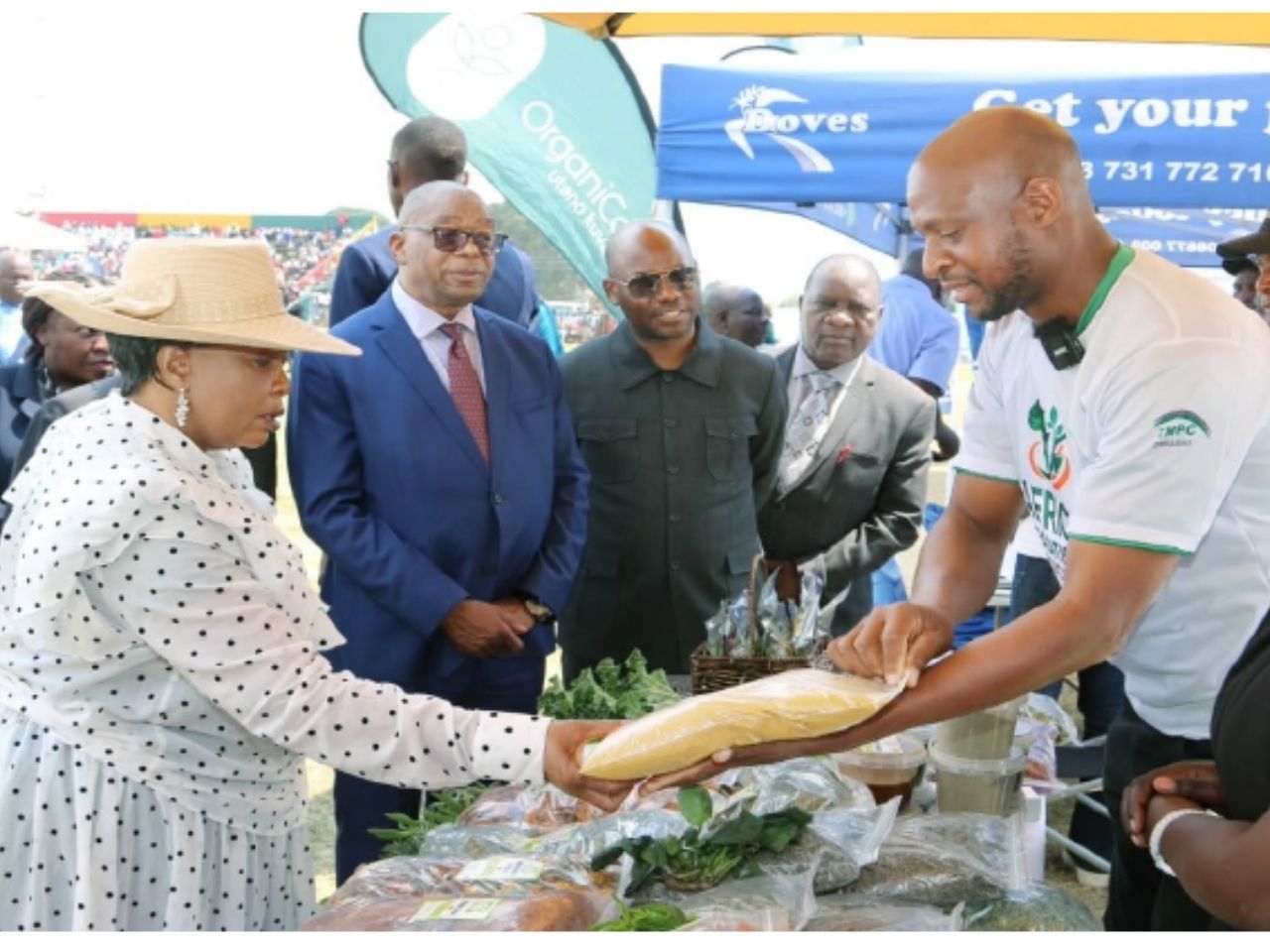
Oliver Kazunga [email protected]
HEALTH and Child Care Ambassador, First Lady Dr Auxillia Mnangagwa, has called for strengthened scientific research into traditional medicines to establish their safety, quality and effectiveness and unlock their potential to complement Zimbabwe’s healthcare system.
Dr Mnangagwa said Zimbabwe should integrate scientifically validated traditional medicines into the national healthcare system, bringing together indigenous knowledge and modern science to improve access to quality healthcare.
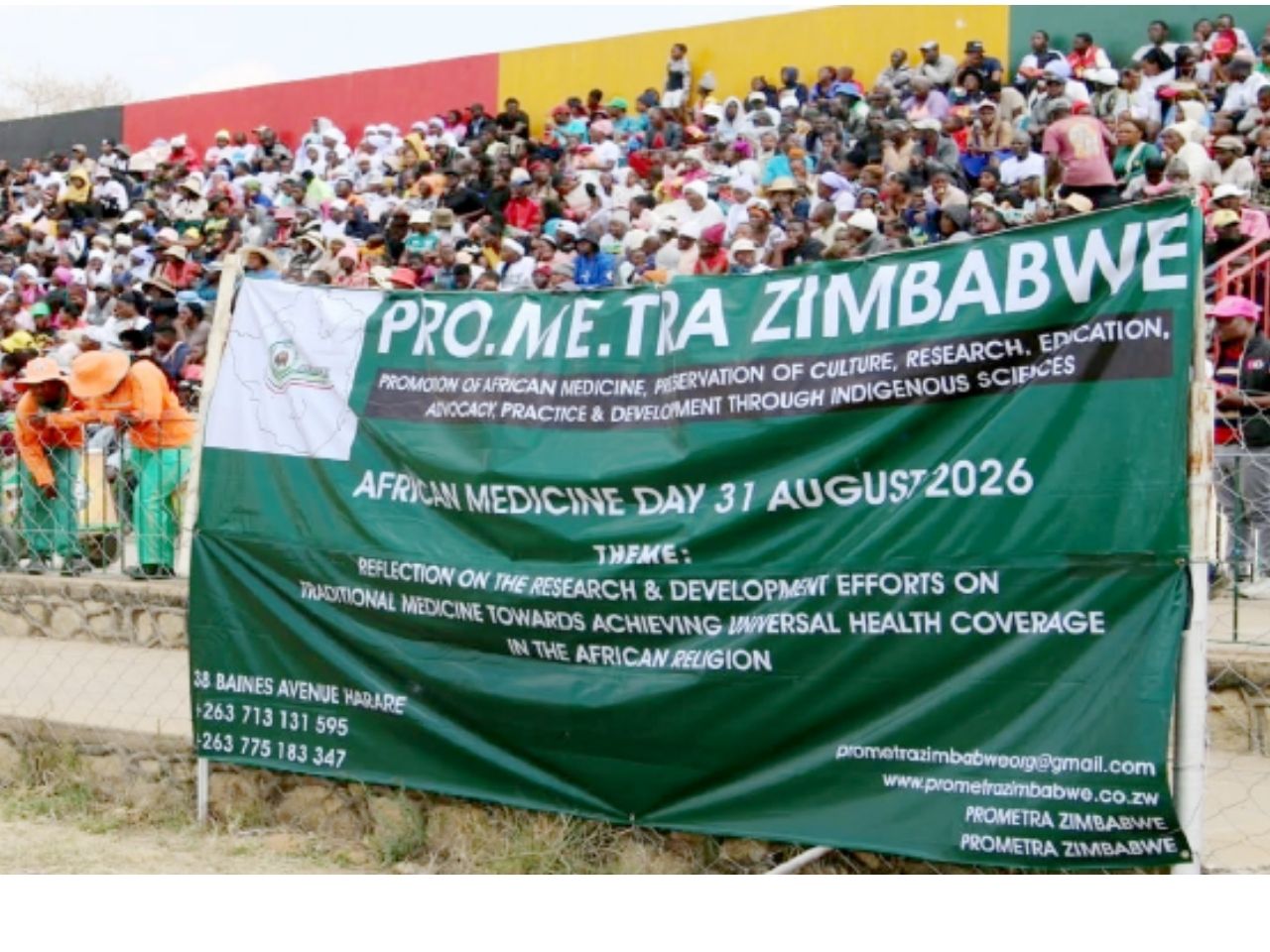
She was speaking during commemorations of the 24th African Traditional Medicine Day in Marondera on Monday, which brought together Government departments, traditional health practitioners, health experts, researchers and members of the community.
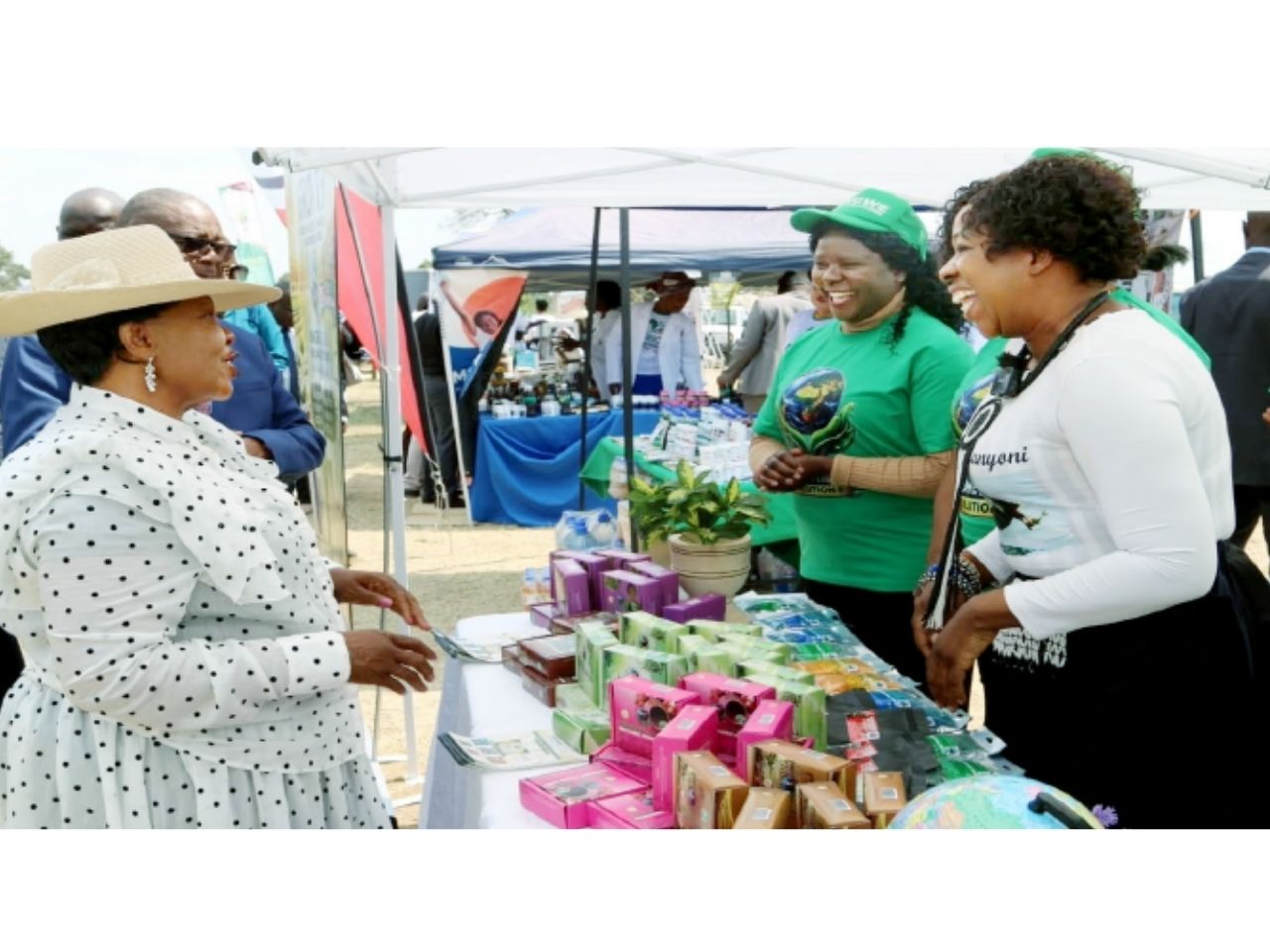
The event began with Dr Mnangagwa touring exhibition stands showcasing traditional medicines and practices, providing a platform to examine how indigenous healthcare knowledge could contribute to national health delivery while safeguarding patients.
Speaking after the tour, the First Lady stressed the need for rigorous scientific research, regulation and collaboration between traditional medical practitioners and the scientific community.
She said traditional medicine should not be viewed as competing with conventional healthcare, but as part of a coordinated, patient-centred health system.
“The issue before us is not whether traditional medicine belongs to the past while modern medicine belongs to the future. It is more of how do we bring the best of our traditional knowledge together with the best of modern science for the benefit of our people,” she said.
Dr Mnangagwa said traditional medicine remained a reality in many communities, with families relying on it as their first point of care.
This, Dr Mnangagwa said, made it imperative for authorities to ensure that traditional remedies and practices met appropriate standards of safety, quality and effectiveness.
She called for stronger collaboration among traditional medical practitioners, doctors, nurses, pharmacists, scientists, universities, researchers and regulators to develop evidence-based traditional healthcare.
“That is the bridge we must build. We must respect our heritage while using scientific methods to establish safety, effectiveness and quality. This requires the combined efforts of traditional medical practitioners, doctors, nurses, pharmacists, scientists, universities, researchers and regulators,” she said.
The First Lady said remedies and practices proven to be safe, effective and of good quality should be allowed to contribute to healthcare as Zimbabwe pursues universal health coverage.
“When properly researched, regulated and integrated, traditional medicine can make a meaningful contribution. Our aim should not be to create competing health systems but to strengthen a coordinated system centred on the patient. We have one people and we need one health system that puts the patient first,” she said.
Dr Mnangagwa also highlighted the economic potential of traditional medicine, saying Zimbabwe’s rich biodiversity, medicinal plants and indigenous knowledge presented opportunities for value addition and industrialisation.
She challenged the country to move beyond harvesting medicinal plants as raw materials towards their cultivation, research, processing, manufacturing, packaging and branding.
“Let us develop proudly Zimbabwean products that meet appropriate standards and can compete beyond our borders.
“This sector should create opportunities for women and young people, support innovation, contribute to industrialisation and strengthen our journey towards greater self-reliance,” she said.
Dr Mnangagwa said communities and custodians of indigenous knowledge should benefit fairly from the commercialisation of traditional medicine, warning against the exploitation of knowledge passed from one generation to another.
“If our knowledge creates value, Zimbabwe must share in that value,” she said.
The First Lady said research should form the foundation for the future development of traditional medicine through documentation of indigenous knowledge, establishment of safety and effectiveness, quality improvement and development of trusted products.
She called for intellectual property protection for indigenous knowledge and urged scientists to work with traditional medical practitioners to rigorously investigate traditional remedies.
“Science should not erase our traditional knowledge. Science should help us understand it and unlock its potential,” she said.
Dr Mnangagwa also linked the development of traditional medicine to environmental conservation, warning that the destruction of forests, wetlands and biodiversity could undermine the availability of medicinal plants for future generations.
She called for cooperation among Government, traditional leaders, communities, researchers and practitioners to promote the sustainable cultivation and conservation of medicinal plants.
Dr Mnangagwa said an initiative to establish a herbal botanical garden would help preserve medicinal plants, document indigenous knowledge and safeguard Zimbabwe’s heritage.
She said traditional medicine should form part of Zimbabwe’s national development agenda as the country moves towards Vision 2030.
“As we move towards Vision 2030, traditional medicine must be part of our national development agenda,” she said.
The First Lady called on traditional medical practitioners, researchers, universities, regulators, communities, the private sector and Government institutions to work together to transform Zimbabwe’s indigenous knowledge and biodiversity into sustainable opportunities while improving health outcomes.
“Let us connect our heritage with innovation, transform biodiversity into sustainable opportunity and ensure that the ultimate outcome is better health and prosperity for the people of Zimbabwe,” she said.
Health and Child Care Minister Dr Douglas Mombeshora said Government was stepping up efforts to integrate traditional and conventional medicine into Zimbabwe’s national healthcare system, with emphasis on evidence, safety, quality and regulation.
He said Government had established the Department of Traditional Medicine within the Ministry of Health and Child Care to provide leadership and coordination in developing and strengthening traditional, complementary and integrative medicine.
“Government therefore recognises that its future must be built on evidence, safety, quality, ethical practice and appropriate regulation.
“To this end, Government has established the Department of Traditional Medicine within the Ministry of Health and Child Care to provide leadership and coordination in developing and strengthening traditional, complementary and integrated medicine within our national health system,” he said.
Dr Mombeshora said Government’s commitment was further reflected in the Traditional, Complementary and Integrative Medicine Strategy 2026-2030, which provides a framework for regulation, research, occupational development, service delivery and integration.
Zimbabwe was already making progress in formalising traditional and complementary medicine, with more than 400 products registered with the Medicines Control Authority of Zimbabwe.
“More than 400 traditional and complementary medicines have been registered with the Medicines Control Authority of Zimbabwe, while the National Foundation Certificate Programme has commenced, with the first cohort of practitioners graduating with recognised qualifications,” he said.
Dr Mombeshora said Government was also strengthening research, quality standards and documentation to ensure traditional medicines with potential could be scientifically evaluated and developed.
He said integrating traditional and conventional medicine did not mean replacing one system with the other, but creating areas of collaboration where patient safety, scientific evidence and regulation allowed.
“A particularly important area for us is the integration of traditional and conventional medicine.
“Our objective is not to replace one with the other, but to establish appropriate areas of collaboration where patient safety, scientific evidence and regulation support such integration,” he said.
Dr Mombeshora cited the Chinese Traditional Medicine Clinic at Parirenyatwa Group of Hospitals as an important pilot project through which Zimbabwe could explore how traditional and conventional medical practices could operate alongside each other.
“In this regard, the Chinese Traditional Medicine Clinic at Parirenyatwa Group of Hospitals provides an important pilot. It gives Zimbabwe an opportunity to explore within our own health system how traditional and conventional medical practices can work alongside each other, drawing lessons from the experience of China,” he said.
The Minister said China had gone further by bringing traditional and conventional medicine under the same roof, a model Zimbabwe could learn from as it seeks to strengthen its healthcare system.
“In China, they even went under the same roof. This is the direction in which we wish to move, preserving our heritage, embracing science, strengthening regulation and, where appropriate, bringing the two disciplines together for the benefit of the patient,” said Dr Mombeshora.
He said traditional medicine remained an important component of Zimbabweans’ health-seeking practices and cultural heritage, making its development and regulation critical to the country’s health system.
Chinese Ambassador to Zimbabwe Zhou Ding, in a speech read on his behalf by the Embassy’s Economic and Commercial Counsellor, Mr Huang Minghai, said China was set to deepen cooperation with Zimbabwe in traditional medicine.
He said the cooperation would include establishing a joint research laboratory, expanding training and scholarships, collaborating on standards and product certification, and exploring local cultivation and processing of medicinal plants.
“To implement the Partnership Action for Health, China will deepen China-Zimbabwe cooperation on traditional medicine.
“We will establish a joint laboratory to carry out joint research on medicinal plant resources and systematic documentation of Zimbabwe’s indigenous medical heritage, offer more scholarships and short-term training for Zimbabwean traditional practitioners and researchers, advance regulatory dialogue with Zimbabwe on standards and product certification to ensure safe, effective and accessible traditional medicine products for the public of both sides, and explore local cultivation and processing of medicinal plants to develop the entire value chain and deliver health and socio-economic benefits to local communities,” he said.
The initiative is part of China’s implementation of the 10 partnership actions for deepening China-Africa cooperation announced by Chinese President Xi Jinping at the 2024 Beijing Summit of the Forum on China-Africa Cooperation, including the Partnership Action for Health.
Ambassador Zhou said China saw considerable potential for cooperation with Zimbabwe, which has a rich heritage of traditional medicine.
“I have just toured the local traditional medicine exhibition stands and seen that Zimbabwe has a solid foundation in traditional medicine.
“I am convinced that China-Zimbabwe cooperation in traditional medicine has tremendous potential,” he said.
Ambassador Zhou said traditional Chinese medicine had developed over more than 5 000 years into a comprehensive system incorporating herbal therapy, acupuncture, moxibustion and massage.
“Modern science has continuously verified the value of traditional medicine wisdom,” he said, citing artemisinin, a malaria treatment derived from the sweet wormwood plant, as an example of traditional medicine contributing to modern healthcare.
“In clinical practice, traditional Chinese medicine delivers tangible benefits in chronic disease management, metabolic disorders and health and illness rehabilitation. It complements modern biomedicine and expands choice for patients,” he said.
He said traditional Chinese medicine had expanded beyond China and was now available in more than 119 countries and regions, with more than 40 countries and regions having formally incorporated it into their national health systems.
“The World Health Organisation has integrated traditional Chinese medicine biological categories into the International Classification of Diseases,” he said.
Ambassador Zhou said China’s health cooperation with Zimbabwe had a long history, stretching back to the liberation struggle and continuing after independence through support for medical infrastructure, skills development and clinical services.
China has constructed key health facilities in Zimbabwe and supported capacity building through training centres, annual training programmes and exchange programmes for Zimbabwean medical managers and practitioners.
“Since 1985, China has dispatched 23 medical teams to Zimbabwe, delivering free medical services across Zimbabwe,” he said.
Chinese medical teams have also introduced traditional Chinese medicine, with the China-Zimbabwe Traditional Chinese Medicine Centre at Parirenyatwa Group of Hospitals emerging as an important platform for traditional Chinese medicine in Southern Africa.
“The China-Zimbabwe Traditional Chinese Medicine Centre at the Parirenyatwa Group of Hospitals has grown into the world’s influential traditional Chinese medicine platform in Southern Africa,” he said.
The centre has provided clinical treatment, professional skills training and health education, while Chinese medical experts have shared expertise in acupuncture, moxibustion, rehabilitation and herbal medicine with Zimbabwean biomedical clinicians and traditional health practitioners.
Ambassador Zhou said the next phase of cooperation would move beyond clinical practice towards research, training, regulation and development of medicinal plant value chains.
This, he said, would strengthen healthcare cooperation while creating economic opportunities for communities through the cultivation and processing of medicinal plants.
“Traditional medicine is a precious shared treasure of humankind. Both China and Zimbabwe hold rich traditional healing wisdom.
“China stands ready to mutually learn from each other and work hand-in-hand with Zimbabwe to translate shared vision into real-world action, contribute to the health and well-being of the peoples of our two nations, and build a China-Zimbabwe community of health for all,” he said.
The proposed joint laboratory and medicinal plant value-chain initiatives could complement Zimbabwe’s efforts to formalise and integrate traditional medicine into the national health system through research, regulation, skills development and collaboration with conventional medicine.
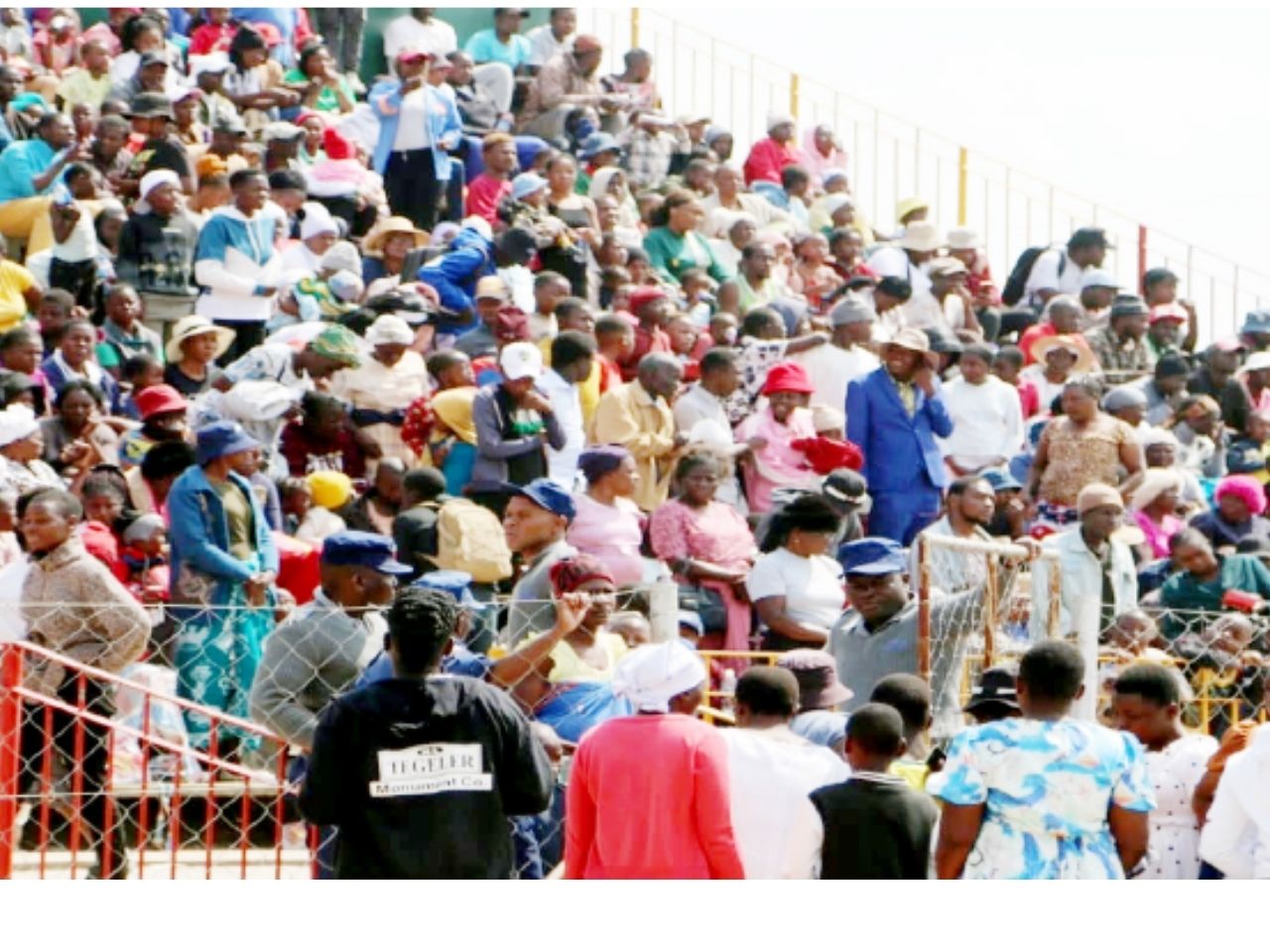
The commemorations were attended by traditional leaders, practitioners, diplomats, health professionals and hundreds of members of the public, among others.