Online Reporter
Blessings Chidakwa
Senior Reporter
WOMEN’S empowerment and inclusive participation in the economy have taken centre stage at the prestigious Zimbabwe International Trade Fair, with First Lady Dr Auxillia Mnangagwa emphasising that national development is anchored on trade, investment and stronger inclusive communities.
Recognising that a disciplined society is a productive society, the Culture and Heritage Ambassador also rolled out the thriving Gota/Nhanga/Ixhiba programme, underscoring the importance of strong moral values, cultural heritage and responsible citizenship in building a resilient and united nation.
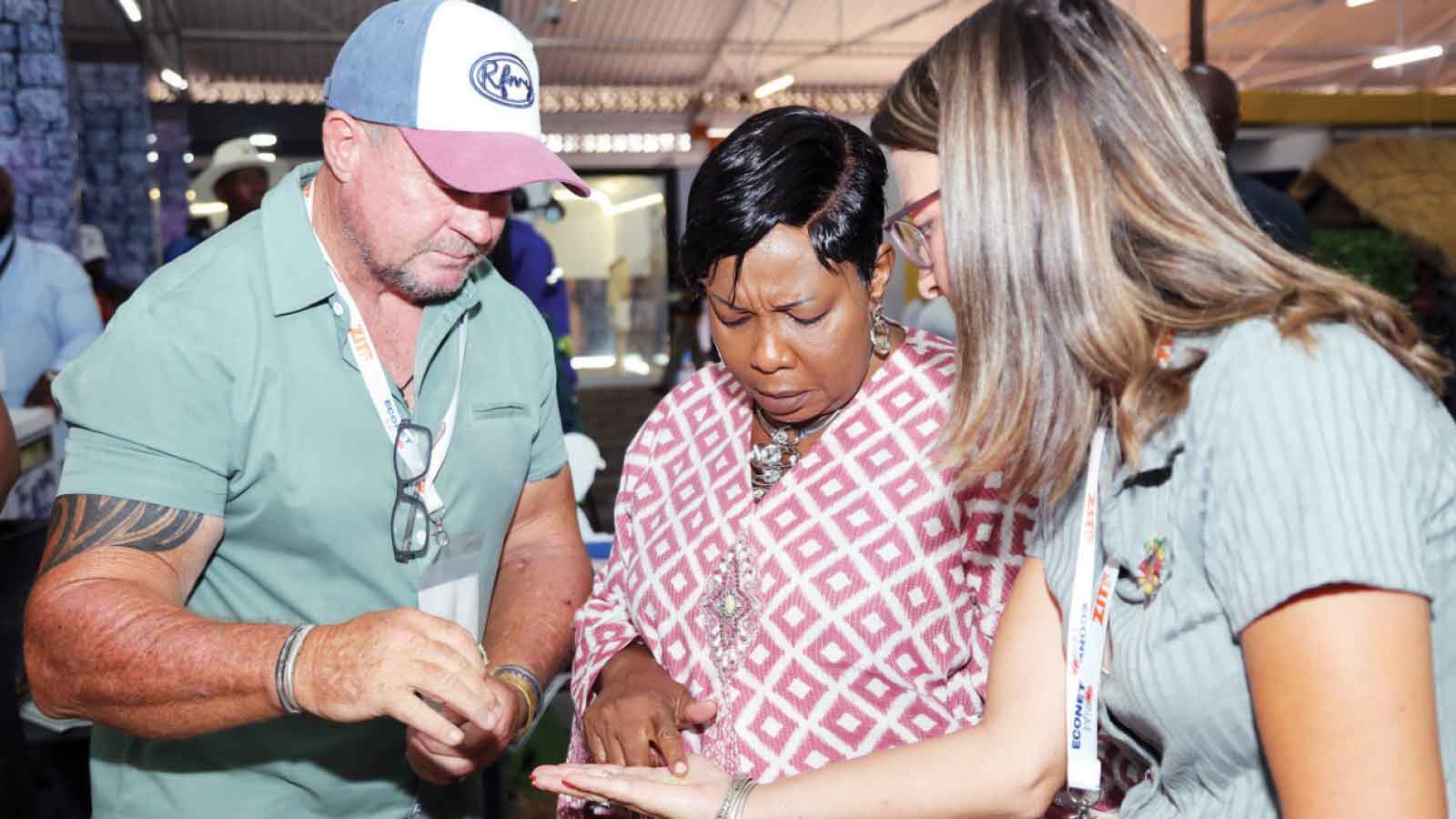
In a packed programme that blended economic empowerment, moral guidance and cultural pride at the fair, Dr Mnangagwa on Wednesday started with a tour of various colourful exhibition stands, including those manned by primary school learners in robotics.
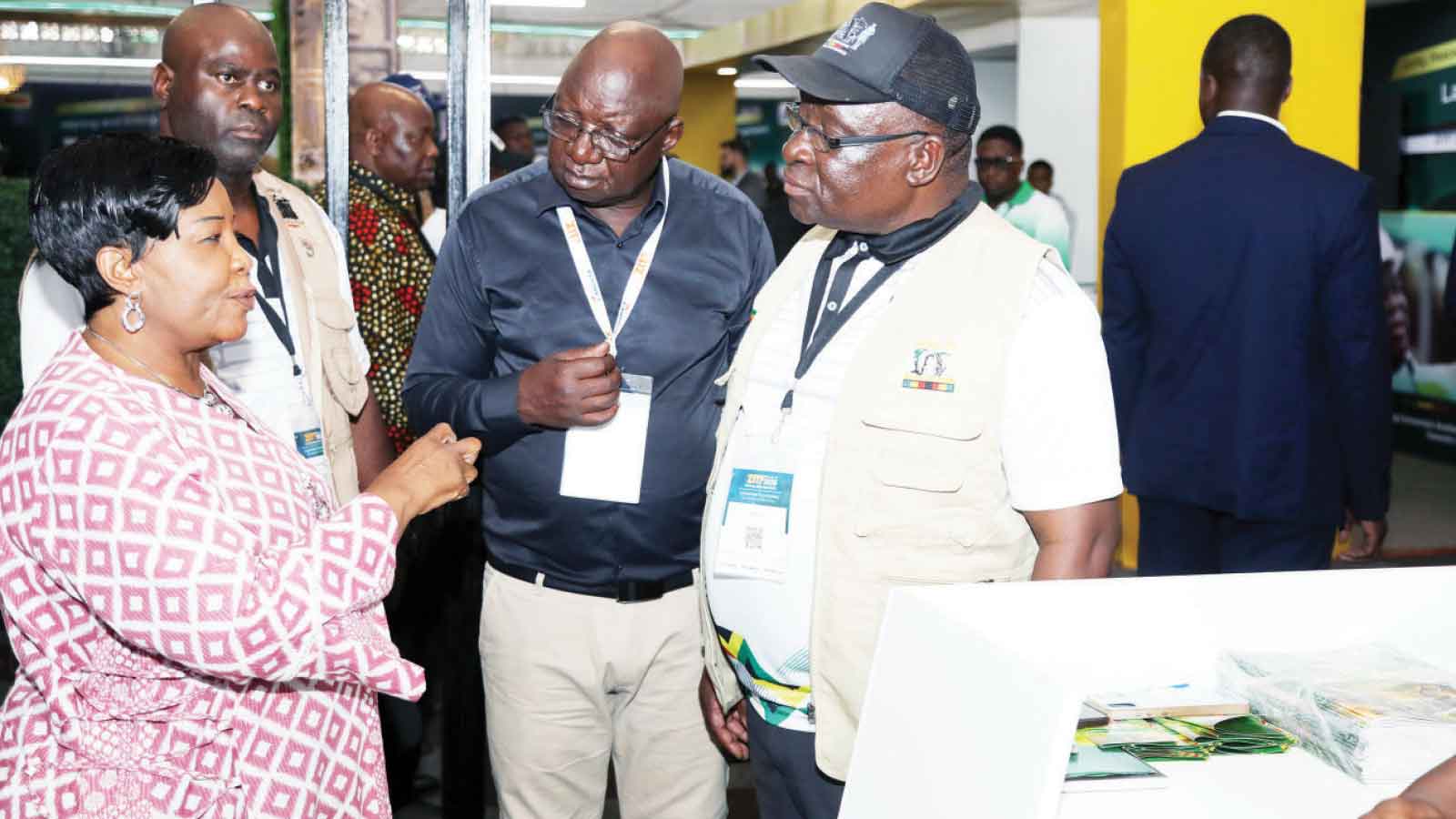
Her walkabout created excitement among participants who openly interacted with the First Lady, while taking the opportunity to share insights into their work as she explored a wide range of locally produced top notch goods, innovations and services on display.
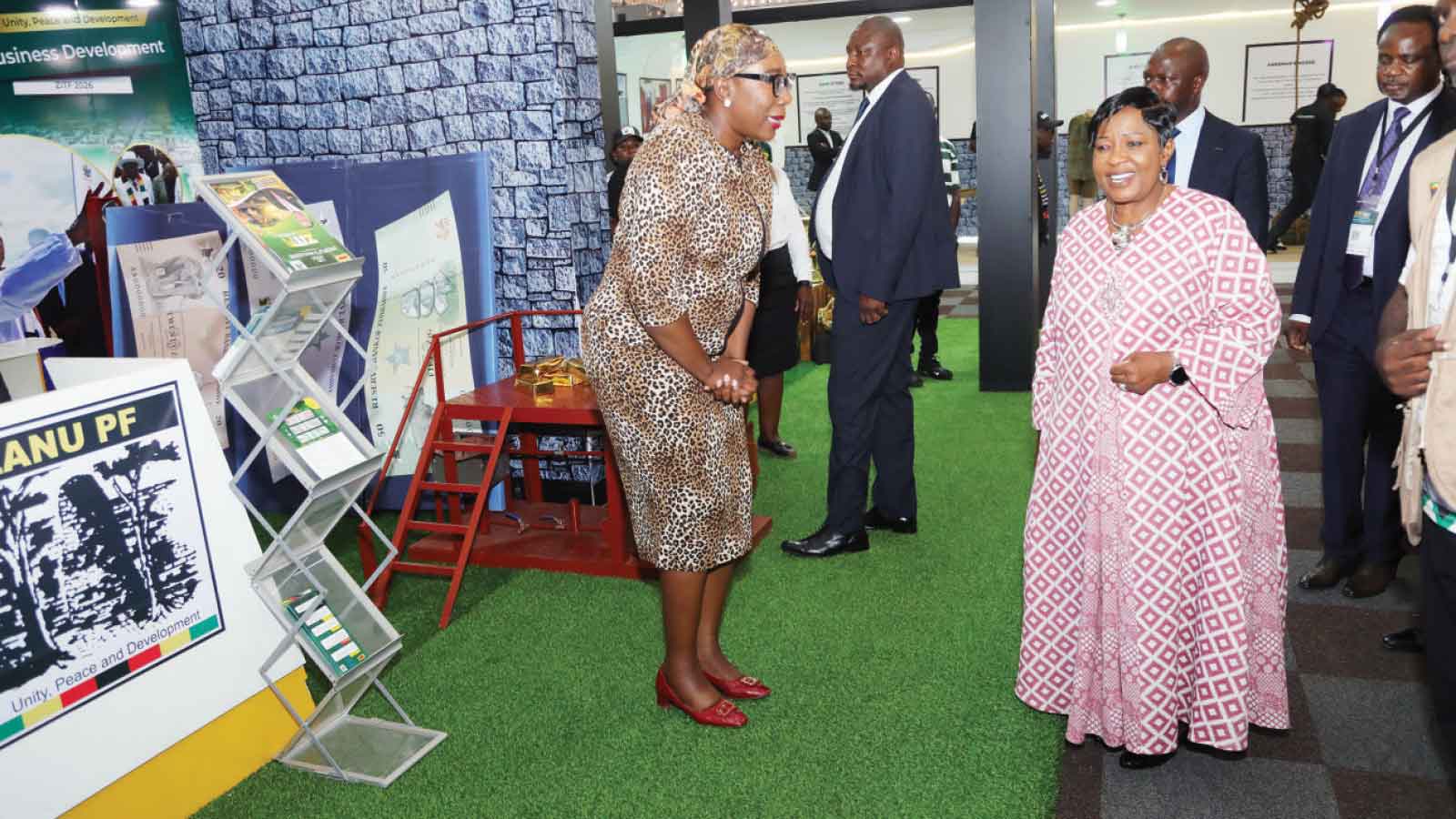
Dr Mnangagwa, who is ZANU PF’s Secretary for Environment and Tourism, made a final stop at her department’s stand, where several people gathered to tour the exhibition and interact with her.
At the stand, the importance of agro-tourism was also highlighted. It encompasses the establishment of remembrance gardens at a homestead, and a remembrance garden or memorial park which allows one to explore and experience unique cultural aspects to learn, discover and engage with the local culture.
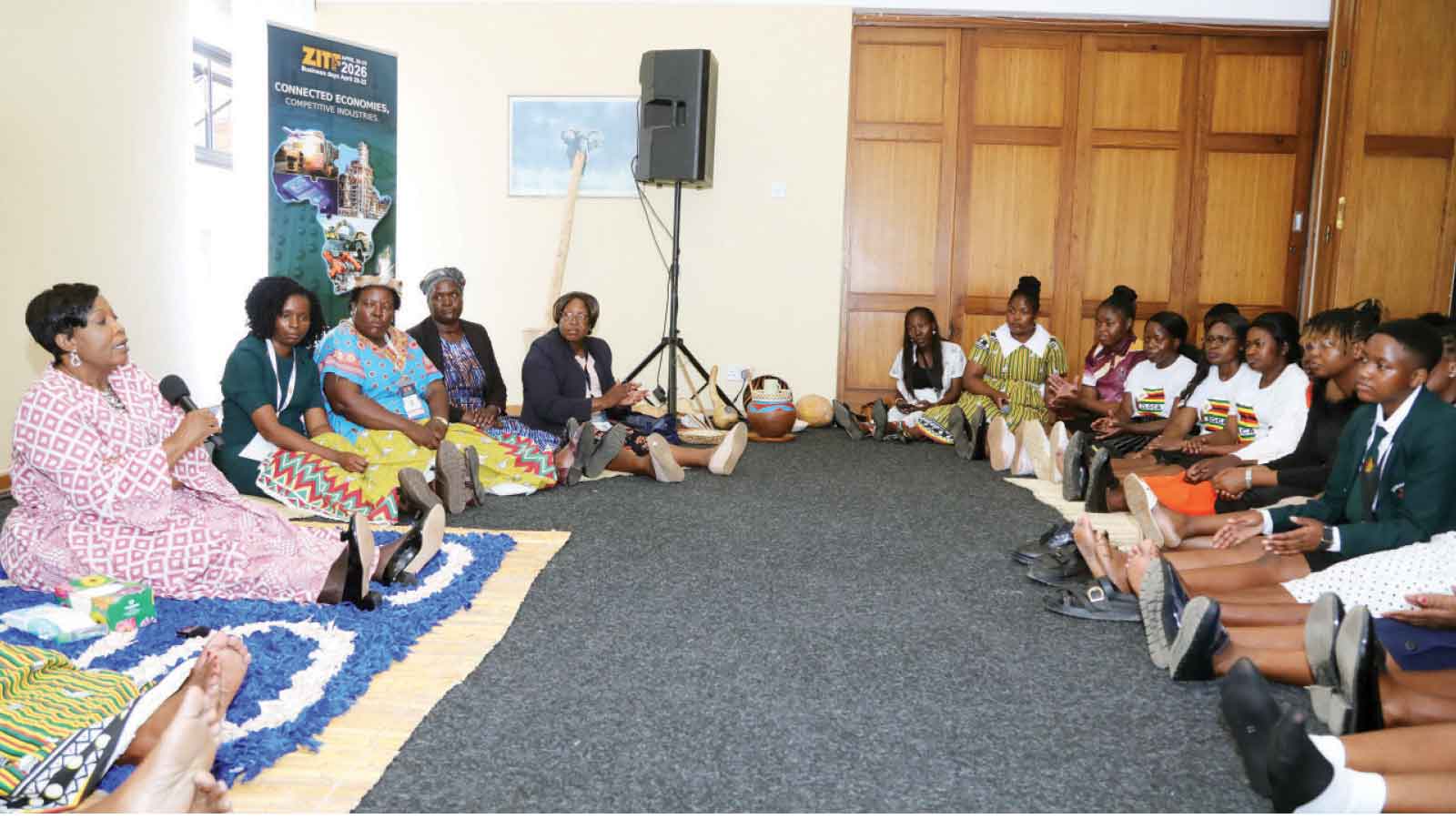
Several people gathered to tour the exhibition and interact with the First Lady, including women, youths and children, prompting her to hold separate sessions with each group.
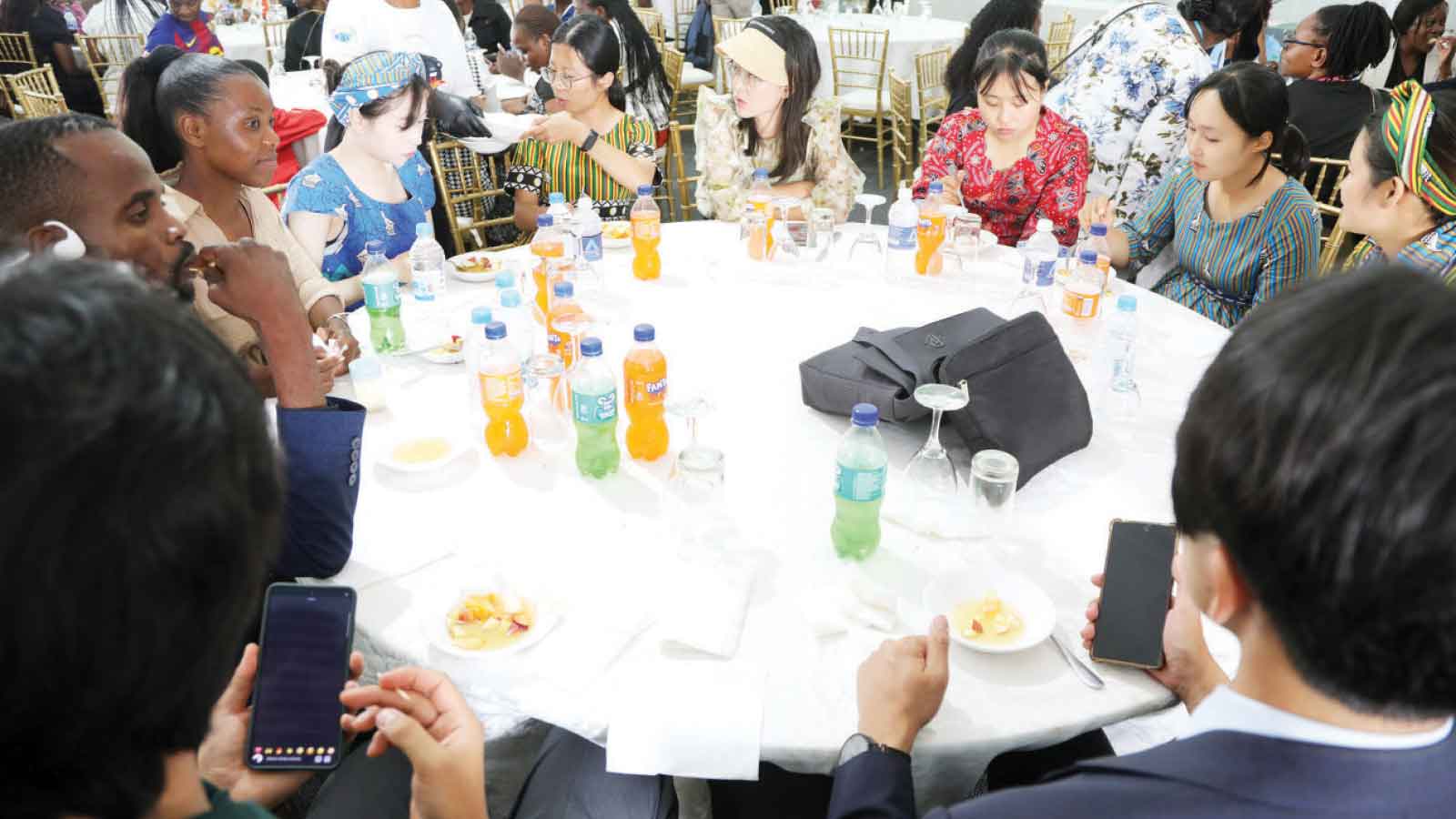
Dr Mnangagwa then created a platform for women in business and aspiring entrepreneurs to learn, connect and share ideas on best business practices, enabling them to draw valuable lessons and insights from one another.
Women from different walks of life shared powerful testimonies of entrepreneurship, resilience and economic empowerment, highlighting how they started small and gradually expanded their businesses through determination, innovation and support systems.
They also exchanged ideas on the importance of thoroughly assessing projects before implementation to avoid failure or abandonment due to poor planning.
The women further discussed common reasons projects fail and explored ways to address these challenges to ensure sustainability and lasting impact.
The First Lady urged the women to remain focused and resilient, stressing that challenges should never limit ambition, while calling on entrepreneurs to set clear goals and produce quality goods that can compete on the export market.
“Women should avoid engaging in competition that breeds division or hatred. Instead, let us work together as mothers and sisters, share ideas and support one another.
“What one person is good at, let her share it with others so that we can grow together. Through collaboration and the exchange of ideas, we can expand our businesses and strengthen one another,” she said.
Dr Mnangagwa said women should leverage the fact that Zimbabwe’s products, including agricultural produce, are highly sought-after because they are organic.
Sharing their journeys, a widow told how she stepped into poultry farming with just 10 chickens. What began as a small start has now grown into a thriving flock of over 1 000 birds, which she supplies across Bulawayo and even to well-known supermarkets.
Her story didn’t stop there. She went on to speak about how she later ventured into furniture manufacturing an industry she first observed through her late husband’s work. Today, she produces steel beds in a field often seen as male-dominated.
“I used to just watch my husband working. When he passed on, I started practicing what I had seen him do. Over time, I mastered the skill,” she said.
The former teacher also shared how she transformed her passion for education into a business by establishing a school, turning what she once taught in classrooms into a lasting institution of her own.
Another entrepreneur, a baobab product manufacturer, explained how she registered her company in 2017. Since then, she has expanded production into a wide range of baobab-based products, including feed, oil, powder, sweets and juice.
“My products were tested and approved by the Standards Association of Zimbabwe and are now supplied to major retailers across the country,” she said.
“The demand has grown so much that I now employ 10 women, and I plan to hire even more.”
Another participant, a past winner of a First Lady’s Amai Traditional Cookout competition, shared how the recognition encouraged her to open a thriving traditional kitchen in Bulawayo.
One woman who started in event catering said she later diversified into Boer goat farming, growing her herd to 800 goats. Despite facing setbacks, including the loss of about 150 goats due to a disease outbreak, she managed to rebuild and keep the business going.
She added that her goats are highly productive, often giving birth to twins, which has helped her grow the herd faster.
Another entrepreneur spoke about breaking barriers by entering a field traditionally dominated by men. Through empowerment programmes, she ventured into small-scale mining.
“I started with very little equipment. Now I have a compressor and headgear, which have made my work safer and easier. I continue to defy odds,” she said.
One more participant shared how she began in furniture sales before expanding into supplying used mattresses to boarding schools and hospitals. As her business grew, she diversified further into solar energy distribution, contributing to rural electrification efforts and also ventured into pig farming, where she raises and sells weaners.
After hearing the women’s stories, the First Lady commended their resilience and entrepreneurial drive, encouraging them to keep growing their businesses.
“I am happy with what I have heard. Let us expand our work. There is no room for individualism. Let us not separate ourselves as women. Even if you fail today, tomorrow is another opportunity. When you are able to work and produce, you earn respect in your community,” she said.
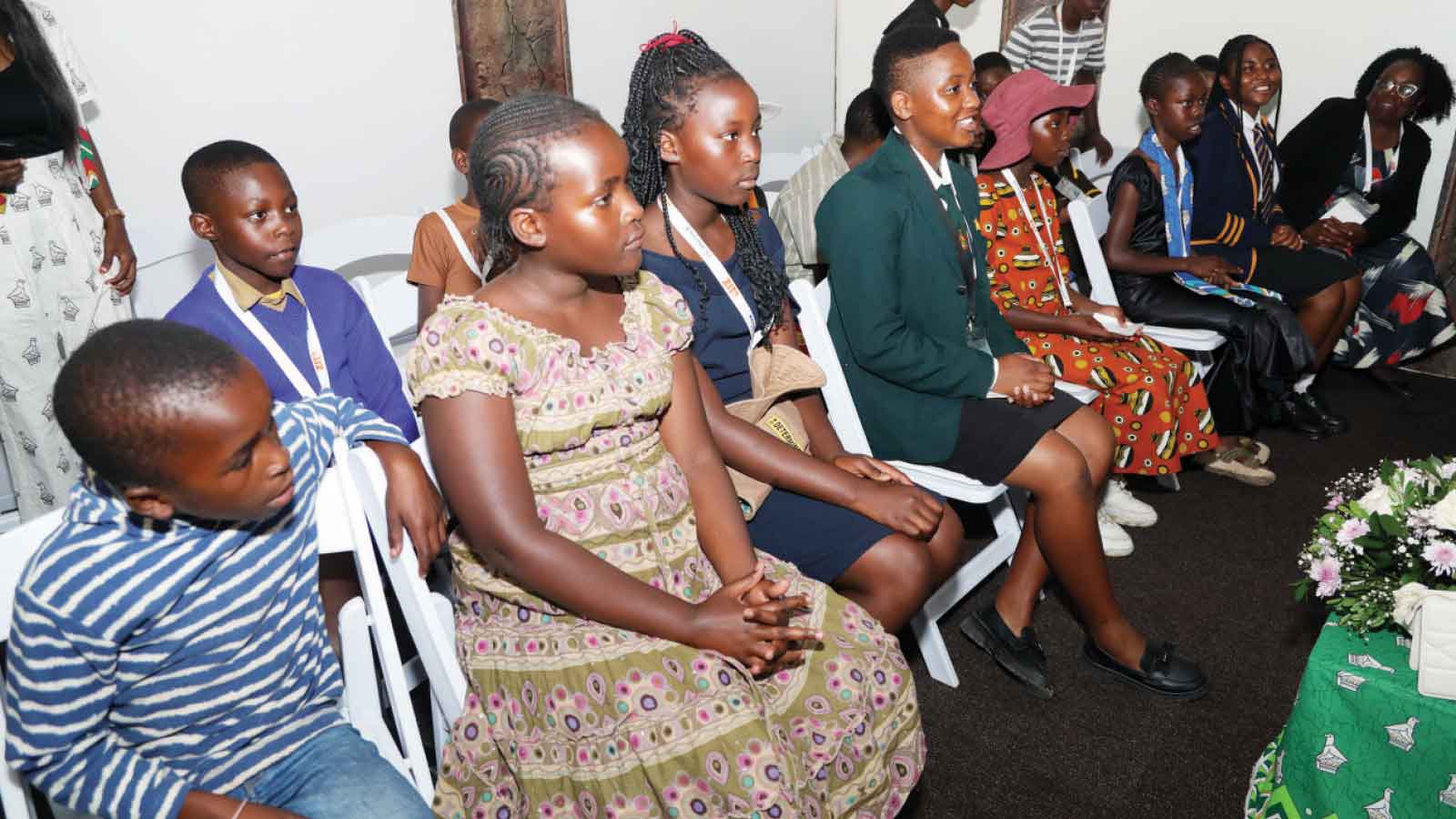
The First Lady then engaged youth on the important subject of courtship, forming part of her broader youth empowerment initiatives at ZITF, aimed at strengthening moral awareness, responsible behaviour and cultural identity among young people.
Opening the interactive discussion, the First Lady posed a simple but thought-provoking question to the youths: “Where do you meet?” setting the tone for an open exchange on how young people form relationships in today’s evolving social environment.
Among their responses were that their meeting places include churches, workplaces, tertiary institutions (particularly during group discussions), as well as business spaces and social media platforms.
It was revealed that while such spaces may vary, character remains the most important factor in any relationship, stressing that “hunhu” (good morals) cannot be bought or substituted.
It was also agreed that while some environments may appear casual, cultural values and norms must always guide behaviour, while guidance from elders such as aunts, uncles and grandparents remains critical in shaping responsible relationships.
Openness within families was also singled out as vital for young people to freely discuss matters of relationships at home, as that can help them navigate challenges.
A red flag was raised against rushing into relationships based on social media connections, with real-life examples of individuals who met online but later separated despite initial intentions being shared.
Concerns were also raised about modern technology, saying platforms such as Facebook, WhatsApp and TikTok are increasingly influencing how relationships begin and develop, sometimes without adequate guidance from elders.
This gap was deemed as having reduced opportunities for traditional mentorship, as young people now rely heavily on digital interactions.
During the interaction, it was also revealed that courtship must be anchored on respect, discipline, cultural values and guidance from elders, warning against environments that compromise moral standards.
The Mother of the Nation also engaged children on the importance of healthy living, good nutrition and responsible behaviour, urging them to take pride in indigenous foods while avoiding harmful substances and negative influences.
Dr Mnangagwa encouraged children to develop positive eating habits from an early age, highlighting that good nutrition contributes to healthy growth, better health and improved concentration at school.
During the highly interactive session marked by simplicity and warmth, the First Lady, speaking as a mother and grandmother, asked children about their preferred meals.
Some responded that they enjoyed traditional foods such as sadza, goat meat, and leafy vegetables like muboora, as well as nzungu, among others.
The First Lady welcomed their responses, encouraging them to continue valuing indigenous foods, which she said are both nutritious and culturally significant.
Beyond nutrition, Dr Mnangagwa cautioned children against harmful behaviours, including drug and substance abuse and early relationships.
She urged them to remain focused on their education and future, stressing that childhood should be guided by discipline, care and responsibility.
Dr Mnangagwa then proceeded to the Nhanga where she charmed young girls from tertiary institutions through the educative Nhanga/Gota/Ixhiba programme, while elderly men including Ndabezinhle Moyo and Moredays Dhlamini led the Gota session.
The First Lady received a warm traditional welcome from the girls, prompting her to join in song and dance before she counselled them to stay true to their values.
Mother of the Nation and the girls sat on reed mats in the Nhanga, where the students received life teachings from the First Lady, who was accompanied by elderly women.
In the Nhanga, dangers of indulging in early sexual activities, drug abuse, lesbianism, making education a priority, self-control, socially acceptable behaviour, importance of virginity, showing respect for the elderly, personal and menstrual hygiene were some of the topical issues.
Encouraging them to reach for the stars, Dr Mnangagwa also advised the girls to focus on their studies and make names for themselves before getting married.
Dr Mnangagwa, who graduated with a Doctor of Philosophy (PhD) Degree in Tourism and Hospitality Management in 2024 as a motivation to young people, narrated her own life experience to the girls, highlighting the challenges she faced when growing up.
She emphasised that with hard work and tenacity, one can achieve their goals regardless of their background.
Elderly women also hammered on the importance of virginity, giving testimonies of how they grew up maintaining their dignity until they got married.
The highly interactive session saw girls asking questions about dating, self-care and other various issues pertaining to the girl child, with Dr Mnangagwa and her team patiently giving answers to all the questions.
Nhanga participants appreciated the rare opportunity to receive valuable life lessons that will usher them into responsible adulthood.
In the Gota, young boys sat down with the elderly men and were educated on various issues.
Elderly men imparted lessons on discipline, responsibility and traditional values of manhood, with various topics covered including drug and substance abuse, homosexuality, dangers of watching pornographic material, indecent dressing and roles of a man.
The boys were also taught life skills such as teamwork, leadership, time management and responsibility.
The First Lady has taken the Nhanga, Gota/Ixhiba programme across the country, and lessons stemming from the initiative have been embraced by communities.