Online Reporter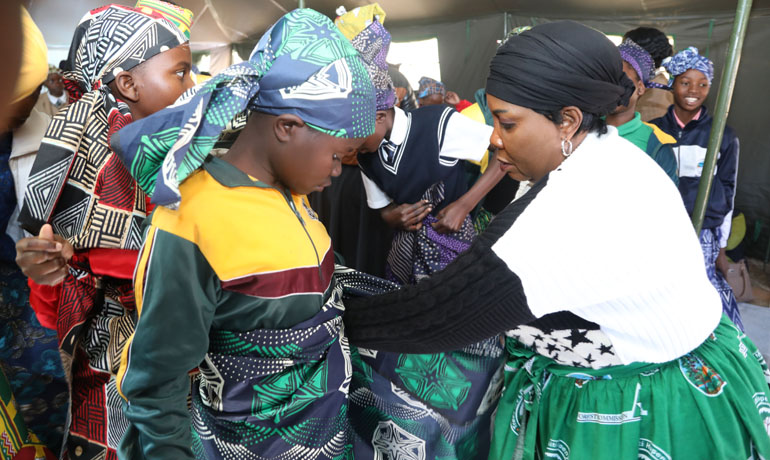
Blessings Chidakwa
Senior Reporter
AN atmosphere of excitement, hope and cultural pride enveloped First Lady, Dr Auxillia Mnangagwa’s week-long boys and girls mentorship camp, where learners from Zimbabwe’s 10 provinces were equipped with life skills, moral values, leadership skills and a deep appreciation of the country’s rich cultural heritage.
Away from classrooms and digital distractions, the children spent a week immersed in Zimbabwe’s traditional way of life, gathering around Gota/Nhanga/Ixhiba settings where elders passed on wisdom that had shaped generations for centuries.
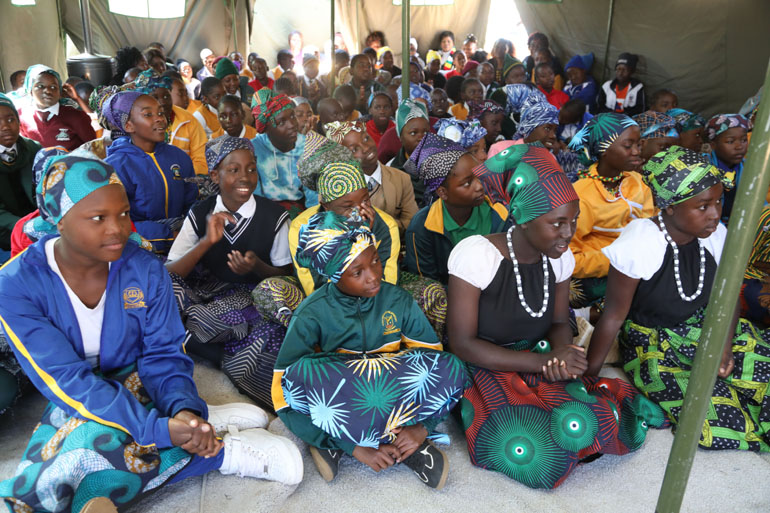
The camp was held in the picturesque resort town of Nyanga, whose breath-taking mountains, cool climate and rich natural beauty provided an ideal backdrop for cultural learning while showcasing one of Zimbabwe’s premier tourism destinations.
The annual camp, forms part of Dr Mnangagwa’s Gota/Nhanga/Ixhiba initiative, bringing together children from across the country for intensive mentorship under the guidance of the First Lady, traditional leaders, elderly women and other resource persons.
Since its launch, the programme has grown into one of the country’s flagship cultural preservation initiatives, nurturing disciplined, patriotic and morally upright young Zimbabweans while complementing formal education.
The camp seeks to safeguard Zimbabwe’s cultural heritage by ensuring that indigenous knowledge, moral values and practical life skills are passed on to younger generations while equipping them to navigate contemporary challenges.
Each day began with participants carrying out household chores such as cleaning their surroundings, making their beds and performing other domestic tasks, instilling responsibility, discipline, teamwork and self-reliance.
On the first day, the learners enjoyed breakfast personally served by Mother Zimbabwe, assisted by community members, reflecting the motherly approach.
On subsequent days, the learners took turns serving one another their meals, reinforcing the values of responsibility, humility, teamwork and self-reliance that the mentorship camp sought to instil.
Welcoming the children during an interactive session, Dr Mnangagwa, who was also the Culture and Heritage Ambassador, urged them to uphold Zimbabwean values, respect their parents and elders, remain disciplined and apply themselves diligently to their studies.
“You have all come from different parts of our country, but remember that we are one people and one nation called Zimbabwe. Although you have travelled from far and wide, this is your home,” she said.
Dr Mnangagwa said the camp was designed to equip boys and girls with cultural values, life skills and respect for one another through the traditional Gota/Nhanga/Ixhiba mentorship system.
“You are here to learn our culture, our values and how to respect one another,” she said.
Dr Mnangagwa urged the children to treasure the opportunity they had been given, saying they had been carefully selected to become ambassadors of good behaviour in their schools and communities.
The First Lady said she expected them to return to their respective provinces as role models who would inspire their peers through the knowledge and values acquired during the week-long mentorship camp.
“You are the chosen few. When you return home, you must teach other children what you have learnt here. A child who passes through this camp should never be associated with drug and substance abuse, indiscipline, school relationships or any behaviour that destroys their future. Focus on your education and make choices that will make your parents proud.”
The First Lady encouraged the participants to choose friends wisely and to uphold the values of hard work, discipline and responsibility in their daily lives.
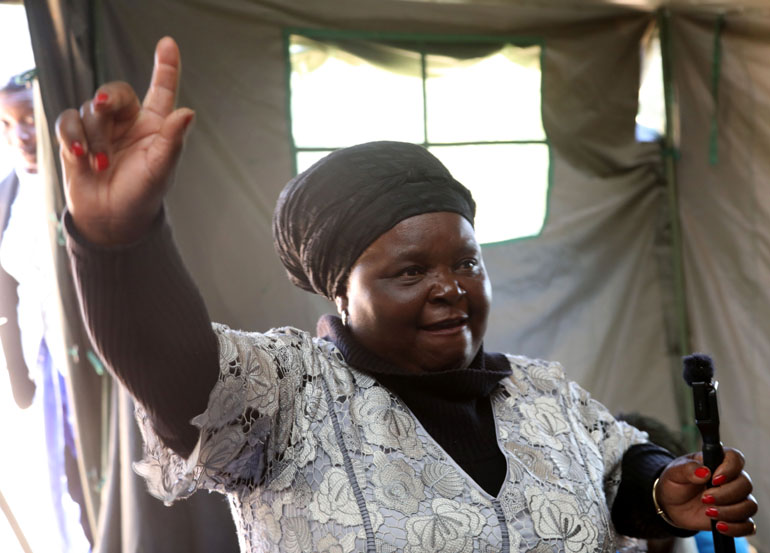
“Choose friends who encourage you to do the right things. Learn to work together, help one another and become responsible children who contribute positively wherever you are.”
Dr Mnangagwa also thanked the host community and the Zimbabwe Parks and Wildlife Management Authority for providing a conducive environment for the annual mentorship camp.
“This peaceful environment provides an ideal setting for our children to learn, grow and appreciate the beauty of our country.”
Following the plenary session, participants broke into separate Gota and Nhanga mentorship sessions were they acquired practical life skills rooted in Zimbabwean traditions.
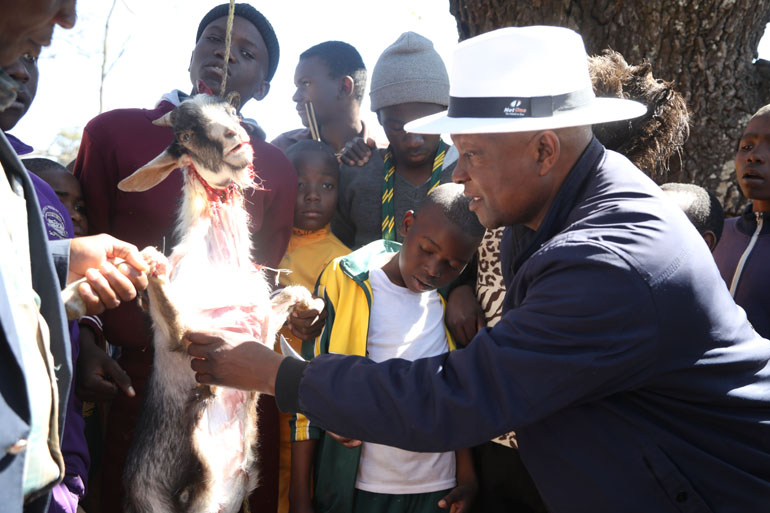
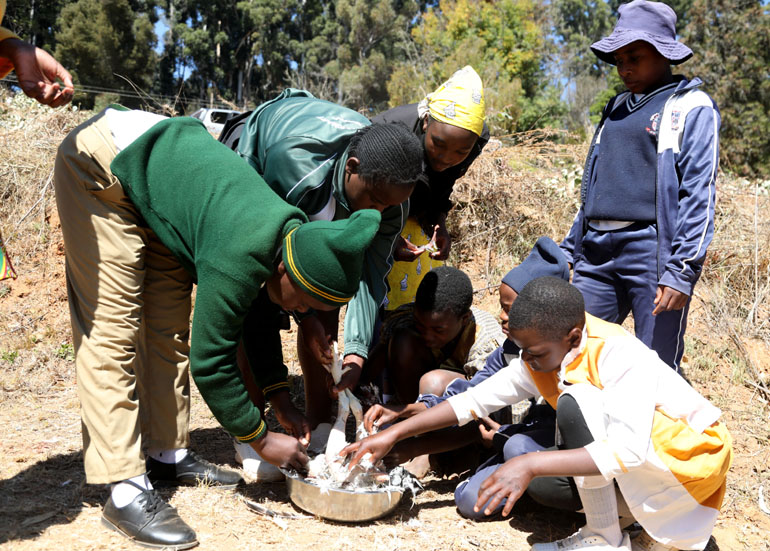
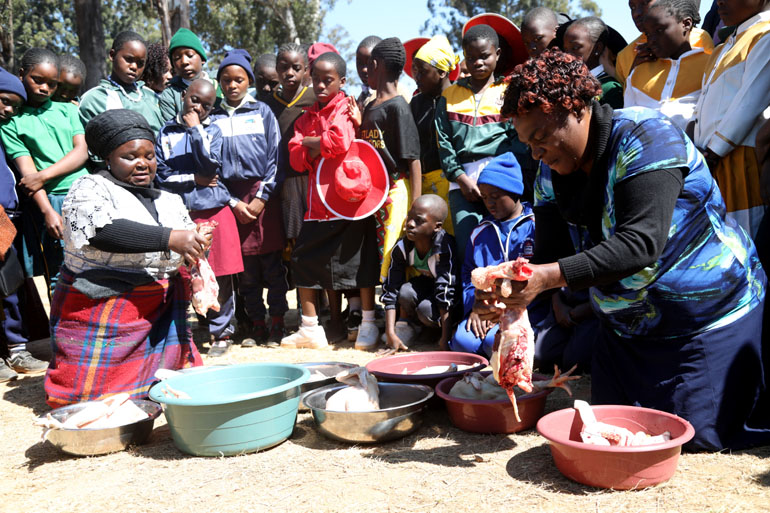
The girls learnt how to slaughter and prepare chickens under the guidance of elderly women, while the boys were taught traditional methods of slaughtering goats, equipping them with practical knowledge that promoted self-reliance and responsibility.
The lively sessions were punctuated open discussions, songs and dances creating an environment where culture was not merely taught but actively celebrated.
In the Nhanga, Dr Mnangagwa was joined by elderly women, including wives of traditional leaders, to mentor the girls on womanhood, dignity, etiquette, personal hygiene, family values and responsible living.
The First Lady urged girls to maintain healthy boundaries and uphold mutual respect in their interactions with boys.
“I understand that at school you regard one another as brothers and sisters, but you must always respect each other. Do not allow a boy to touch you inappropriately there must be boundaries. While you may relate as brothers and sisters at school, remember that everyone has their own thoughts and intentions.
“We are hearing disturbing cases where a brother is accused of raping his own sister. That is why you must protect yourself, respect your own boundaries, and never be afraid to speak out if someone makes you feel uncomfortable or unsafe,” she said.
An elderly woman taught the girls that, “Do not allow a man to touch your private parts. After attending the First Lady’s programme last year we came with a song called “don’t touch.”
Participants expressed gratitude to the First Lady for the initiative, with one saying: “I would like to thank you, for this programme. As children, we must learn to greet and respect one another. It is a simple but very important value that strengthens our relationships and our communities.”
Another participant said: “We are very happy about this programme. We can see that you are reaching out to young people across the country, and that is very important because it gives us guidance, encouragement, and hope for the future.”
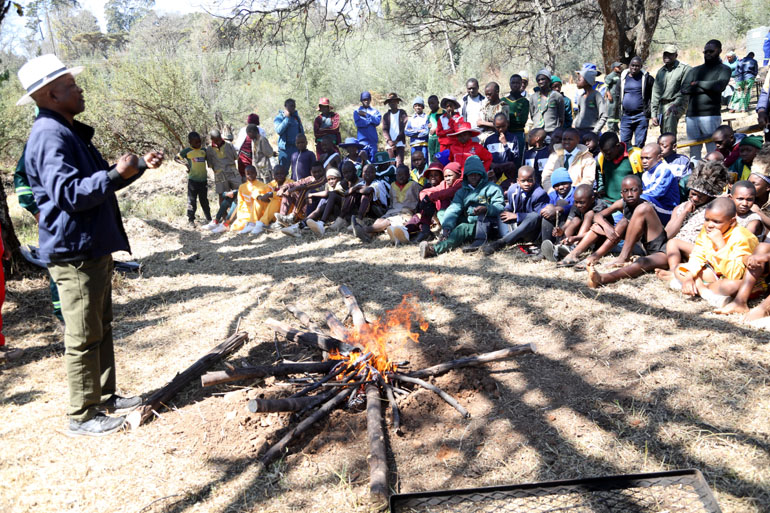
At the Gota, Minister of State for Manicaland Provincial Affairs and Devolution, Advocate Misheck Mugadza, together with Chiefs Mutasa and Hata, mentored the boys on leadership, discipline, responsibility and the qualities expected of men who would one day lead their families and communities.
The traditional leaders said the annual mentorship camp was playing a critical role in restoring cultural values and strengthening the moral fabric of society by preparing children to become responsible adults.
Chief Hata said boys should learn practical life skills from their fathers and other male elders.
These included carving traditional wooden pegs, making tool handles and other household implements, handling a plough and acquiring farming skills.
He said such knowledge prepared boys to become responsible husbands, fathers and providers when they eventually established their own families.
Chief Mutasa described Gota as a traditional mentorship space where boys who had not yet reached the age of marriage or fatherhood received guidance from elders.
He said the programme traditionally included activities that built confidence, strength, resilience and a strong sense of responsibility.
The chief also underscored the importance of reproductive health education, saying boys should seek medical attention if they experience any reproductive health problems, as untreated conditions could affect fertility later in life. He also encouraged voluntary medical male circumcision as part of good health practices.
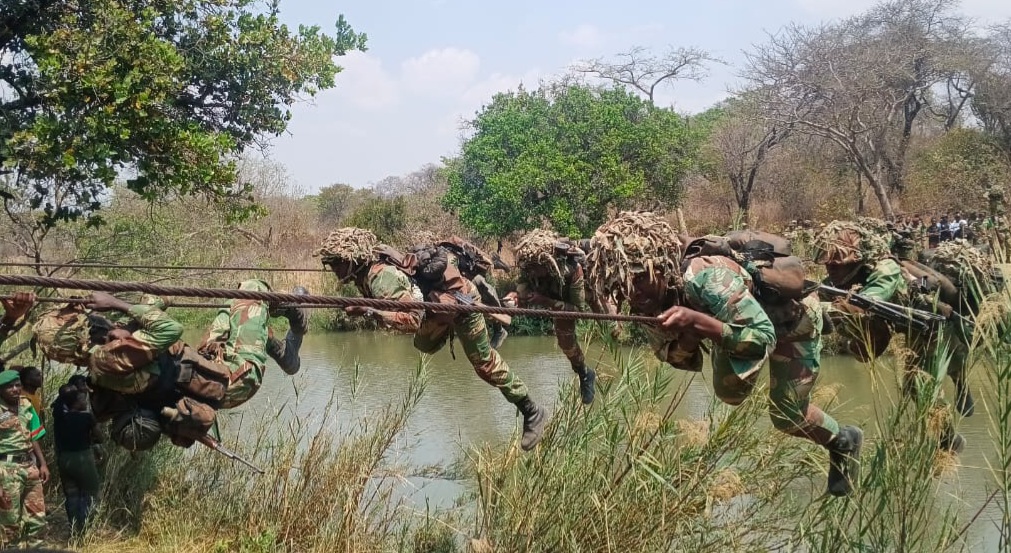
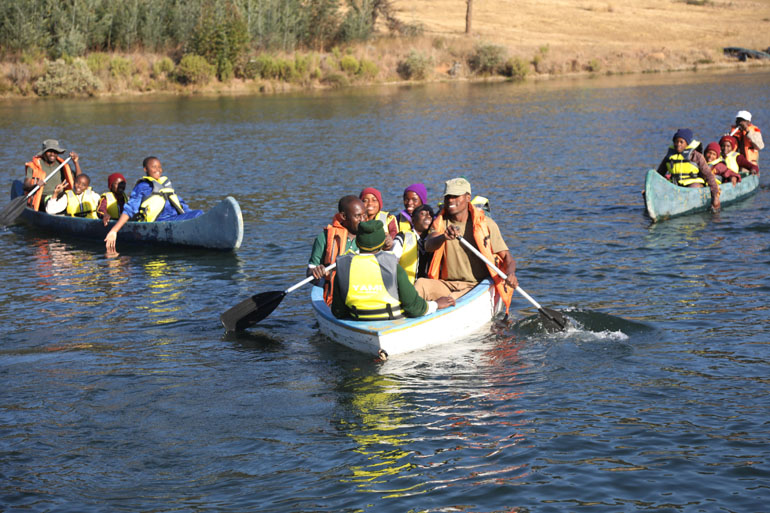
As an added highlight to the day’s mentorship activities, the children enjoyed a range of recreational experiences, including canoeing, quad biking and other outdoor pursuits.
The leisure activities provided a welcome opportunity to relax, interact with fellow participants from across the country and appreciate the scenic beauty of Nyanga, adding memorable moments to an otherwise enriching programme.
The children said the camp had taught them valuable lessons that would shape their behaviour both at home and in their communities.
One of the learners, Lisa Muramwi said she had learnt the importance of good manners, respecting parents and understanding personal boundaries.
“We were taught that a well-behaved child should respect parents at all times, help with household chores and never enter their parents’ bedroom without permission. These lessons will help me become a responsible person,” she said.
Lyeen Majamanda said the camp had taught girls to protect themselves by avoiding inappropriate relationships at a young age.
“We were encouraged not to engage in romantic relationships while we were still young because they could lead to early pregnancy and affect our future. We were told to focus on our education and make good choices,” she said.
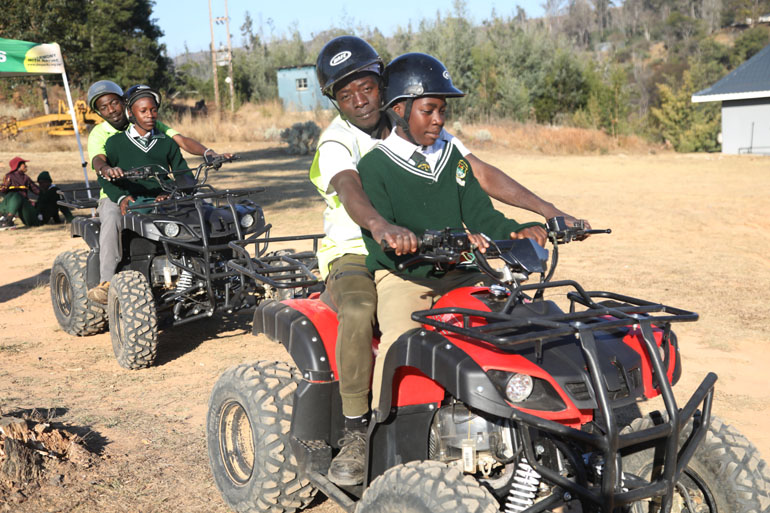
Kelly Kasu said the practical sessions were among the highlights of the camp.
“We learnt practical skills such as slaughtering and preparing a chicken. We also took part in enjoyable activities, including quad bike rides, which made the camp both educational and exciting,” she said.
Florence Munenge from Binga said the mentorship sessions had instilled discipline, respect and the value of hard work.
“We were taught to work hard, respect our parents and never enter our parents’ bedroom without permission. The lessons we received will help us grow into responsible adults,” she said.
Beloved Chiviro from Mashonaland West said the camp had equipped participants with practical life skills.
“We were taught how to cook, wake up early to sweep the yard and help our mothers with household chores. These are important responsibilities that every child should learn,” she said.
Parents and community members also applauded Dr Mnangagwa for complementing classroom learning with practical cultural education, saying the initiative was producing a generation grounded in Ubuntu, discipline and patriotism.
Launched in 2021, the annual Gota/Nhanga/Ixhiba mentorship programme continued to gain national recognition for promoting cultural awareness, responsible behaviour and indigenous knowledge among young people. Its success had seen schools, churches and communities embrace many of its teachings as Zimbabwe intensified efforts to preserve its cultural heritage and build a generation that was proud of its identity while remaining equipped to face contemporary challenges. The week-long mentorship camp was held in Nyanga, where the serene surroundings provided an ideal setting for reflection, learning and cultural immersion.