Blessings Chidakwa Senior Reporter
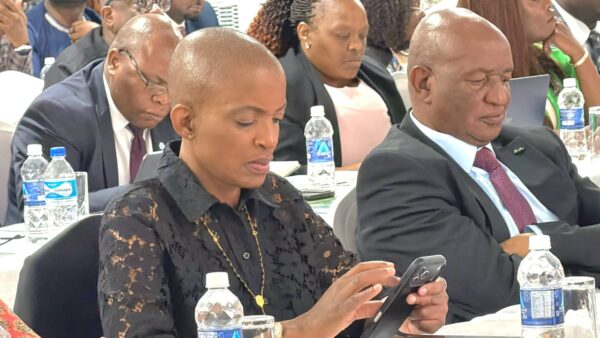
A sea of jubilant people from across Manicaland Province thronged Odzi Centre yesterday, turning out in overwhelming numbers for the provincial launch of the First Lady Dr Auxillia Mnangagwa’s Traditional Medicinal Herbs Programme.
Set against Manicaland’s mountainous terrain, the gathering brought together communities keen to preserve Zimbabwe’s indigenous medicinal knowledge, nutritious foods and healthy lifestyles passed down through generations.
The turnout exceeded expectations, highlighting strong public interest in traditional remedies and the need to safeguard community knowledge for future generations. Dr Mnangagwa received a rousing welcome as people gathered to participate in the programme.
The event opened with Dr Mnangagwa touring several exhibition stands where people from Manicaland Province showcased a variety of traditional medicinal products prepared using indigenous knowledge passed down through generations.
The First Lady interacted with each exhibitor, learning about their products, the traditional methods used to prepare the remedies, the indigenous knowledge underpinning their use and the importance of preserving Manicaland’s rich medicinal heritage.
The programme seeks to promote the preservation and responsible use of traditional medicinal knowledge, which remains an important part of Zimbabwe’s cultural heritage.
In a province endowed with mountainous landscapes and rich natural resources, the initiative also provided an opportunity to highlight the value of indigenous knowledge and the importance of passing it on to younger generations.
As a complementary gesture, in line with her longstanding commitment to Ubuntu, compassion and motherhood, the First Lady also provided food hampers, which she personally handed out to attendees.
She also donated Starlink kits and laptops to several local schools and provided school stationery to learners, extending support to families while helping young learners pursue their educational goals.
The girls also received sanitary wear, with the First Lady urging them to shun harmful behaviours such as drug and substance abuse and teenage pregnancy.
Expectant mothers also benefitted from her thoughtful gesture, receiving baby preparation kits to help them prepare for the arrival of their newborns with greater ease.
The assistance underscores Dr Mnangagwa’s continued dedication to safeguarding maternal and child well-being.
Addressing the bumper crowd, Dr Mnangagwa said the programme, launched in Mashonaland Central Province, was being rolled out across all 10 provinces to collect and preserve indigenous knowledge from communities throughout the country.
“As Zimbabweans, we are blessed with a wealth of traditional medicinal knowledge passed down through generations. Our ancestors used various herbs and plants to treat different ailments, and many of these remedies are still being used today,” she said.
“For generations, our forefathers and foremothers relied on what was readily available in their surroundings.
“They used tree bark, roots, leaves and other parts of plants for medicinal purposes.
“Let us work together to safeguard our indigenous knowledge, promote healthy living and preserve our rich natural heritage.”
Dr Mnangagwa said Zimbabwe’s traditional foods and abundant natural resources also played an important role in promoting good health, nourishing the body and helping communities manage various ailments.
“Here in Manicaland, we are blessed with rich natural resources, including indigenous plants and wild fruits that have medicinal properties. Some of these can also be prepared and eaten as nutritious foods that benefit our bodies,” she said.
“We have fruits such as tsenza, hacha,hute and tsubvu, as well as indigenous vegetables and plants such as mutsine, munyemba and derere. These are among the natural foods that can nourish our bodies and help support our immune systems,” she said.
Dr Mnangagwa said Manicaland’s mountains and forests were rich in indigenous plants traditionally used to manage various ailments, boost health, relieve pain, and treat wounds and certain skin conditions.
“These herbs and other indigenous plants have played an important role in the health and well-being of our people for generations, and their value continues to be recognised today,” she said.
Dr Mnangagwa emphasised the need to document and share the wealth of indigenous knowledge held by elders and traditional practitioners who had used these remedies and passed down their experiences through generations.
“We must compile a book documenting the medicinal plants, indigenous foods and other natural resources found in our different communities, together with their traditional uses and health benefits.
“We do not want this valuable knowledge to disappear simply because it was never written down.
Our children and future generations must know, appreciate and take pride in the plants and natural resources found in the areas where they live,” she said.
Dr Mnangagwa also said traditional herbs were used in various ways, including being prepared as beverages, incorporated into meals and made into preparations for bathing and cleaning and treating wounds.
Dr Mnangagwa urged communities to use traditional remedies responsibly, emphasising that indigenous knowledge should complement modern healthcare and help people make informed choices about their health.
“Let us preserve this knowledge for our children and grandchildren. Together, we can ensure that the wisdom inherited from our ancestors continues to benefit present and future generations,” she said.
Dr Mnangagwa, who is also the country’s Environmental Patron, urged people to preserve trees and stop cutting them down.
“When you cut down a tree, you may not know the medicinal value it holds, yet the person standing beside you may know that a particular leaf can be used to treat an ailment or heal the body.
“We do not want to see trees being cut down or forests being burnt. Climate change has been talked about for a long time, and we must all play our part in protecting the environment,” she said.
The First Lady added: “Some of the trees we cut down take many years to grow into mature trees.
These trees help bring us rainfall and provide us with shade, yet we continue to watch them being felled.”
Dr Mnangagwa also urged artisanal miners to conduct their activities responsibly, avoiding the destruction of forests and land degradation. She called on them to rehabilitate mining sites and fill open pits after extracting minerals.
“We must protect our families, our animals and the environment we all share, including the livestock that depend on these natural surroundings,” she said.
On social vices, Dr Mnangagwa urged parents and guardians to take a more active role in monitoring their children’s movements, stressing the importance of knowing where they are when they stay out late rather than simply setting aside their supper and waiting for them to return.
She urged young people to conduct themselves responsibly, expressing concern over early pregnancies, drug and substance abuse, and some young men failing to take responsibility for the children they father.
The First Lady also encouraged learners to remain focused on their education, warning that relationships at school could distract them from their studies. This could result in some leaving school without certificates and facing the responsibilities of parenthood before they were ready.
“Our children do not have the life experience that we have so we need to guide them on how to navigate life. They learn from their parents and from neighbours who play a positive role in raising them.
“Neighbours, let us help raise our children, even those who are not biologically ours. Look out for every child in your community,” she said.
Dr Mnangagwa said parents should not leave the responsibility of raising children to teachers alone but should also play an active role in guiding and shaping their children’s behaviour at home.
“How we raise our children at home will be reflected in their behaviour when they go out into the community. Their conduct tells the world where they come from and the values they have been taught,” she said.
Dr Mnangagwa also led an interactive session during which community members openly shared their indigenous knowledge of traditional medicinal plants and their uses.
A participant spoke about Mungurahwe, a plant that grows tall in cool areas. She said its roots could be added to porridge or soaked in water for drinking.
She described the preparation as naturally sweet and said it was traditionally believed to promote good health and support children’s growth.
A further contributor explained how mango tree remedies were traditionally prepared for stomach discomfort. She said the plant material was boiled, with a small amount of salt added before consumption.
Another speaker highlighted Ndorani, saying the plant had been used in traditional remedies to relieve gas and strengthen bones.
A participant also shared traditional knowledge about Mutowa, which was used in some communities to manage restlessness in young children. She described a bathing preparation made from the plant as part of this practice.
Another contributor spoke about Chiriyaridza, explaining that its flowers, leaves, bark and roots were used in traditional preparations.
She recounted using the plant in food and drinking water for seven days in an attempt to help a child who had reportedly consumed intoxicating substances. She said she observed signs of improvement by the fifth day.
Mr Tendai Maunganidze said traditional medicines had sustained previous generations, who remained healthy and active into old age.
“Our ancestors used these plants because they understood their health benefits. Our indigenous medicinal plants have properties that help strengthen the body,” he said.
Mr Morgan Chingwaro said traditional remedies were natural, readily available and easy to use, while indigenous foods also played an important role in promoting health and longevity.
Mrs Tsitsi Makanga said traditional medicines were affordable and accessible, allowing families to obtain certain remedies from their surroundings.
“These medicines are easy to use and do not cost much. You can collect the plants from the bush and use them. Our children grow up healthy, and we can also grow some of these medicinal plants in our own homes instead of relying on those found in the wild,” she said.
Mr Taurai Gamburei said the programme taught people how to identify medicinal plants, harvest them correctly and process them into appropriate dosages.
“We also make products such as soaps and beauty oils from plants including mubvee, mudhorofiya, mutamba and jatropha. Mubvee soap nourishes the skin and helps protect it from the effects of the sun,” he said.
Odzi High School teacher Mrs Sharon Chikombero thanked the First Lady for providing laptops and a Starlink kit, saying the facilities would improve computer science lessons and expand learners’ access to online educational resources.
“We are grateful to our First Lady for the laptops and Starlink, which have brought Wi-Fi connectivity to the entire school. Our learners will now be able to conduct research and access information online easily,” she said.
Mrs Daphine Mutetwa of Matika Primary School also expressed gratitude to the First Lady for the laptops and Starlink connectivity, saying the facilities would make learning and completing school assignments easier.
“We thank the First Lady for the laptops and Starlink, which will help our learners with their school assignments. This support means a lot to rural schools like ours,” she said.
Gogo Mlambo also expressed heartfelt gratitude to the First Lady for the food hampers, saying the assistance had brought her great joy and relief.
“I am grateful for what the First Lady has done for us. We are very happy because whenever we meet her, she always comes with something for us. I am truly delighted by this support.
“The Traditional Medicinal Herbs Programme has also opened our eyes to the benefits of our indigenous medicines,” she said.
The overwhelming turnout at Odzi Centre underscored the importance of taking the initiative directly to communities, where traditional knowledge holders can share their experiences and help preserve indigenous remedies for future generations.