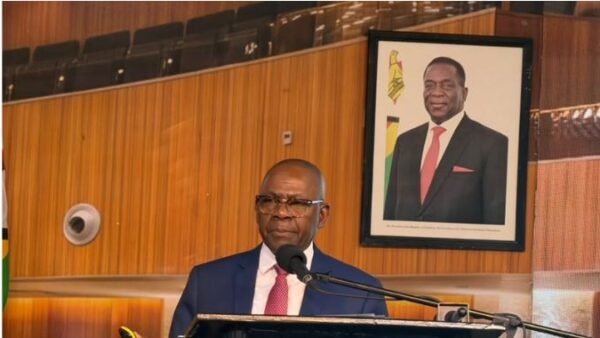
Gerald Masuku
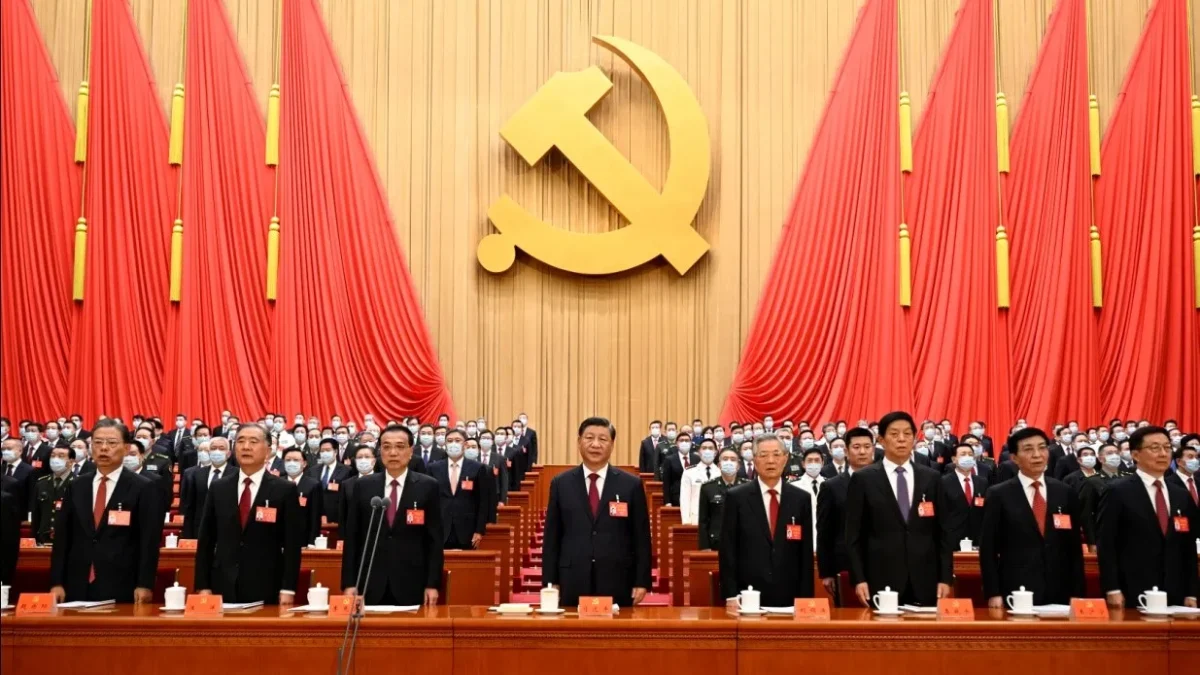
As the Fifth Plenary Session of the 20th CPC Central Committee convenes in Beijing, the world is again witnessing how sustained institutional renewal and disciplined, people-centred governance can anchor a nation’s long-term modernisation. For Africa — and for our own beloved Zimbabwe — this moment carries a profound and encouraging resonance.
A Heritage We Carry with Pride
The liberation struggle remains the noblest chapter in our shared history. Through the Chimurenga, our people rose together — in the trenches, in the villages, and in the cities — to reclaim land, dignity and sovereignty from colonial rule. That collective sacrifice was not made so that a few would prosper, but so that all our people could one day walk tall on their own soil. This is the moral foundation on which our ruling party was built, and it remains its living soul.
Liberation was never the finish line. The harder, quieter task comes after victory: transforming hard-won freedom into tangible, daily progress for ordinary citizens. Yet we should approach this not as a crisis, but as the next heroic chapter — one that every generation is called to write.
A Party Rooted in the People
ZANU-PF has always described itself, in word and in deed, as the party of the people — and its revolutionary tradition gives this claim its moral weight. That identity is its greatest strength and its most sacred responsibility. A ruling party exists to deliver on the promises of its founding mission: to put national resources at the service of the people, not of any narrow interest.
The wisdom of the ruling party’s approach lies in the discipline of renewal. Just as the CPC has shown that a political force can remake its purpose after its revolutionary phase — refocusing its energies on poverty reduction, infrastructure and industrial upgrading — so too must liberation movements everywhere keep their gaze fixed on what comes next: steady, capable, accountable governance that outlasts any single leader.
Honouring the Legacy by Completing Its Economic Mission
Young Zimbabweans who did not live through the liberation war do not judge their leaders by old battles. They judge them by electricity supply, job opportunities, affordable food, functional schools and accessible healthcare. This is not a rejection of our history; it is a call to fulfil it. Sovereignty without development is only half a victory. Honouring the legacy means completing its unfinished economic mission — and here, the vision is already clear.
Zimbabwe’s Vision 2030 and the reforms of the Second Republic, guided by the philosophy that a country is built by its own people and the pledge to leave no one and no place behind, embody exactly this ambition. They turn the moral capital of our liberation into a practical agenda of industrialisation, mineral beneficiation, irrigation and skills development — the very foundations of shared prosperity.
Building Institutions That Outlast Leaders
Sustained progress cannot be achieved within a single political term. Industrialisation, value addition, infrastructure and skills training demand years of consistent investment. This is why national development must rest on stable frameworks — anchored in law, with clear targets, honest review mechanisms and protected resources. Leaders may adjust tactics and replace failing projects, but core national goals should not be set aside whenever leadership changes.
Continuity of purpose is not blind adherence to outdated plans. It is the discipline to keep our eyes on the long arc of national development, while remaining open to review and renewal.
Protecting the Promise of Liberation
Where public resources are well stewarded, the promise of liberation grows stronger. When they are not, that promise is dimmed. The most patriotic thing any institution can do is to defend the people’s resources — through transparent tendering, independent audits, protected voices of integrity and impartial oversight. These safeguards are not hostile to a ruling party. They are the very instruments by which a people’s party protects its own legacy and its own people.
A Balance of State Strategy and Market Energy
A modern economy needs both direction and energy. The state sets strategic priorities, funds public goods and manages risk; markets drive enterprise, innovation and efficiency. For mineral-rich nations like ours, this balance means designing resource policies that capture value at home — building local processing capacity, training our workers, and negotiating partnerships from a position of strength. The goal is to end the old cycle of exporting raw wealth and importing finished goods, and to ensure our God-given resources translate into jobs and opportunities for our people.
The Next Chapter of Pan-African Solidarity
No single African nation can easily build a full industrial ecosystem alone. The African Continental Free Trade Area (AfCFTA) answers this challenge by turning dozens of separate markets into one large regional space. Liberation’s next logical phase is continental economic solidarity — coordinated infrastructure, harmonised mining rules, regional value chains and shared industrial hubs. And in all our partnerships, African governments must retain full control over priorities, terms and benefits, so that cooperation always advances local development goals.
Closing Reflection
The deliberations in Beijing remind us of a timeless truth for all Global South nations: meaningful modernisation rests on the willingness to sustain reform, to guard institutional integrity, and to keep governance focused on the people’s long-term wellbeing.
Our fight for independence solved one great problem: foreign political domination. The post-liberation challenge is harder and quieter — building capable, accountable systems that convert sovereignty into widespread wellbeing. A liberation movement succeeds not by holding power indefinitely, but by building durable institutions that outlast individual leaders and keep delivering for generations.
This is the unfinished business of every liberation struggle. And it is the work — noble, patriotic and deeply rewarding — to which we now, together, are called.
About the Author:
Gerald Masuku is an independent commentator on African governance and development.