admin
admin
Tendai Rupapa in DONOSTIA-SAN SEBASTIAN, Spain
FIRST Lady Dr Auxillia Mnangagwa yesterday received special commendation at the Eighth United Nations World Tourism Organisation (UNWTO) World Forum on Gastronomy Tourism where she was invited in recognition of her massive support for gastronomy tourism, which has prospects to take the country far and can be used as an example in Africa and the world.
She becomes the first African First Lady to be invited to the forum since its inception owing to her exceptional work that has captured global imagination.
The First Lady was chosen to give an address on African gastronomy and empowering communities during which she highlighted Africa’s potential as a continent.
She was selected since Zimbabwe was recognised for achieving UNWTO standards on gastronomy tourism.
The high-level forum, at which Zimbabwe and Botswana are representing Africa, is being held under the theme: “Back to the Roots”.
The UNWTO World Forum on Gastronomy Tourism, was created to promote the exchange of experiences between experts in tourism and gastronomy, to identify good practices and to promote gastronomy tourism as a factor of development of destinations.
Dr Mnangagwa, who is Zimbabwe’s patron for tourism and hospitality, has a deep appreciation of the tourism and hospitality sector in which she holds a university degree from Switzerland.
Through her traditional meal-cookout competitions which have since gone regional, Dr Mnangagwa has enabled communities to showcase dishes enjoyed in their various provinces so that everyone learns to prepare them and benefit from their immense nutritional value and medicinal properties.
She works with the Ministry of Tourism and Hospitality Industry to unlock the vast tourism potential and create jobs for people.
Resplendent in a distinct and beautiful Zimbabwe national dress, the mother of the nation gave the forum a glimpse into Zimbabwe’s culture, tourism and what she is doing back home in promoting gastronomy tourism thus telling the Zimbabwean story.
Dr Mnangagwa said she was happy and honoured to speak at the top-level event.
She thanked the organisers for inviting her.
“Allow me to tell you the Zimbabwean story. It gives me great excitement to be part of this forum where we are gathered to network, share information and expertise in line with promoting Gastronomy Tourism.
“It is quite critical to reflect and exchange ideas that help us to go ‘Back to the Roots’ for the sake of sustainably empowering communities. This is in line with our heritage-based philosophy for promoting tourism. Indeed, as nations we should be able to tap into our nutritional traditional cuisines to ensure a healthy living and socio-economic development of our nations,” she said.
Traditional Gastronomy Tourism globally, Dr Mnangagwa said, has become an effective tool of attracting tourists, particularly those who are cognisant of the natural and nutritional value embedded in traditional foods.
“In this regard, it is pertinent to develop and encourage this type of food to the general populace including all age groups as a preventive measure against threatening ailments and hunger. I would like to thank the United Nations World Tourism Organisation for organising this very important forum, where we are meeting as nations to share ideas, skills and knowledge on promoting local cuisines echoed by the theme which seeks to create an inseparable link between communities, food and its origin ‘Back to the Roots’.
“The Zimbabwean experience in empowering communities through traditional cuisine came to light in 2021 through my passion, as the First Lady of the Republic of Zimbabwe and Patron of the Tourism and Hospitality Industry, to promote and preserve our culture and tradition. Having realised the gap between generations in terms of consuming traditional foods and the imminent threats to our values through cultural dilution, I introduced the Traditional Cookout Programme in Zimbabwe. This was meant, among other things, to encourage our people to consume more traditional foods than fast foods, in a way to ensure a healthy living,” she said.
The Traditional Cookout programme in Zimbabwe, Dr Mnangagwa explained, is rolled out on an annual basis through cookout competitions held at district, provincial, national and regional levels targeting local communities.
The traditional chiefs’ wives play a critical role in mentoring our women in terms of preparing traditional dishes and upholding cultural values, as they are the guardians and custodians of our culture and tradition.
“The Government of the Republic of Zimbabwe realised the critical role communities can play in the economy and introduced a Devolution Agenda, where sectors are represented at community level. As such, tourism is represented at grassroots level to ensure equitable distribution of tourism benefits to local communities.
“Since the beginning of the programme in Zimbabwe, I have noticed increasing creativity and innovative ideas among our people in coming up with unique traditional dishes. Of interest also, is that male contestants have also joined the race challenging women in preparing best dishes, including people with disabilities as well as college students. This is in sync with Zimbabwe’s thrust of inclusivity under the mantra, “leaving no one and no place behind”.
Zimbabweans, the First Lady said, were privileged to have a unique native community, the San Community, that jealously safeguards its values through preservation of culture and tradition.
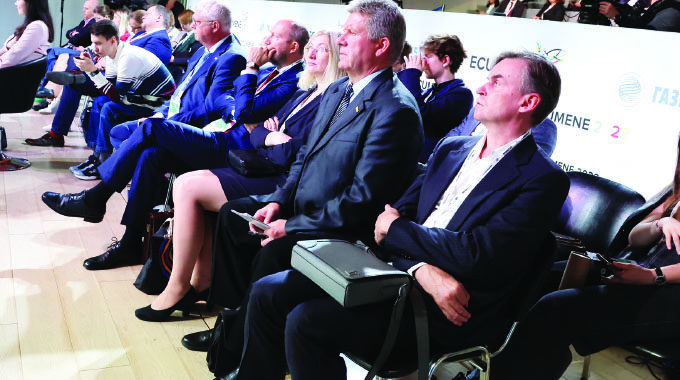
“Zimbabwe successfully hosted the first ever SADC Regional Gastronomy Tourism competitions in May this (2023). The event attracted a number of countries within the region and beyond. Countries had the opportunity of showcasing unique dishes peculiar to their countries.
“The event created a platform for networking and knowledge sharing among countries. I am happy to say that the United Nations World Tourism Organisation was also represented, we were indeed grateful as a country for this goodwill gesture. Going forward, we want to take this programme to the African continent, bringing together communities from Africa to African Gastronomy Tourism and showcase what we have to offer as Africans. It is our wish to go beyond and showcase the Taste for Africa to the World.
“In the same spirit of ensuring sustainability, we are encouraging our locals to grow more traditional grains, fruits and vegetables. Most of our rural women are trained on how to preserve traditional ingredients for use during the off seasons. In addition, we coined the Traditional Cookout Programme with boys and girls’ forum called Nhanga Gota/Ixhiba, where trainings and discussions are centred on encouraging youths to uphold their cultural norms and values.
“A Traditional Cookout Book was compiled with a collection of recipes unique per province. The book provides simplified methods of preparing Zimbabwe’s traditional dishes using the already available ingredients. We identified the book as our unique product for the UNWTO forum on Gastronomy Tourism containing our signature recipes. In addition, it is our key flagship in promoting our national brand identity through unique traditional cuisine,” she said.
The uptake of traditional foods, Dr Mnangagwa said, has increased significantly since the introduction of the Traditional Cookout programme in Zimbabwe.
“Most of our hotels now have introduced a traditional kitchen, where a number of traditional dishes are served. In addition, usually at gatherings be it local or national, in most cases there will be a request for serving traditional dishes.
“With the knowledge and skills obtained from the previous competitions, some communities are now running traditional foods restaurants and others have already started exporting their products to other countries. This means that apart from contesting annually most women have turned their talents into businesses to earn a living, thereby contributing to poverty alleviation.
“As I come to the end, as Africa, we would like to make it a habit that every meal that we partake at home should have a traditional dish. It is also our wish to introduce the Zimbabwe Traditional cuisine in airlines, as a welcoming gesture to our visitors,” she said.
The First Lady paid glowing tribute to UNWTO secretary-general Mr Zurab Pololikashvili and team for organising the forum for member-states to share their experiences in gastronomy tourism.
“As Zimbabwe, we invite you all to our 4th edition of the Traditional Gastronomy Tourism programme to be held next year in May 2024. Come to Africa and enjoy the ‘African Taste!’” she said to a huge applause.
Mr Pololikashvili praised the First Lady for enduring a long flight to attend the forum due to her love and passion for gastronomy tourism.
“I would like to thank the First Lady of Zimbabwe Dr Auxillia Mnangagwa. She travelled for almost 14 hours. Welcome to Spain and your presence is a step in the right direction. Three years ago we announced that we would work with African countries to promote African gastronomy worldwide. We have to promote African gastronomy, we are committed, we are working quite hard to promote African culture and give it the attention it deserves. Gastronomy is part of culture,” he said to applause.
He described the changing trends in tourism today and what tourists now preferred.
“Three years ago we started a new project, the best villages in the world and we said that we wanted to visit villages and be in nature feeling different emotions. Now the tourists want to travel to villages, they want to discover new destinations. This has led to growth because everything that we are going to talk about is going to be how we can take advantage of rural development to attract produce and to support people. I think FAO is very important in supporting this project,” he said.
Mayor of Donostia-San Sebastian, Eneko Goia, said local communities were the pillars of gastronomy tourism as they provided much of the ingredients.
“That takes us to another ingredient that will be very much present these days which is local produce by local producers. If we can understand that the production chain starts with local products and making these products with time and with care and having it on our tables we would have made a great step forward.
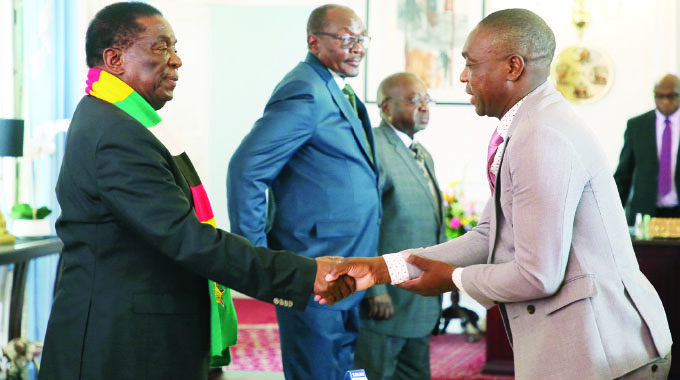
“Local producers are key, they provide these materials that shops will transform afterwards and I think we can count on our experience for that. We have the first European University of gastronomy. Here we search, we theorise but we are also connecting experiences, keeping an eye on what happens in the world that’s our spirit. From the local sphere we have connection to what happens globally. I hope this forum will be fruitful and that we can count on your presence for many more years to come,” he said.
FAO director-general, Dr Qu Dongyu, spelt out the need to value culinary traditions, agricultural practices and ecosystems developed over centuries.
“It is about building the connectivity and socio-economic growth that can reduce inequalities and boost rural incomes and prosperity especially for women and youth and drive sustainable development. For example, FAO’s 1 000 digital villages initiative is supporting rural agri-tourism by taking advantage of connectivity and digital solutions to improve the promotion and sale of services, foster rural transformation, increase household and farmer’s incomes and create employment opportunism. Let us continue to work together by sharing knowledge, advocating good practices, identifying smart solutions and promoting innovative paths and products in gastronomy tourism. I wish you a fruitful forum and enjoy your gastronomy delicacies,” he said.
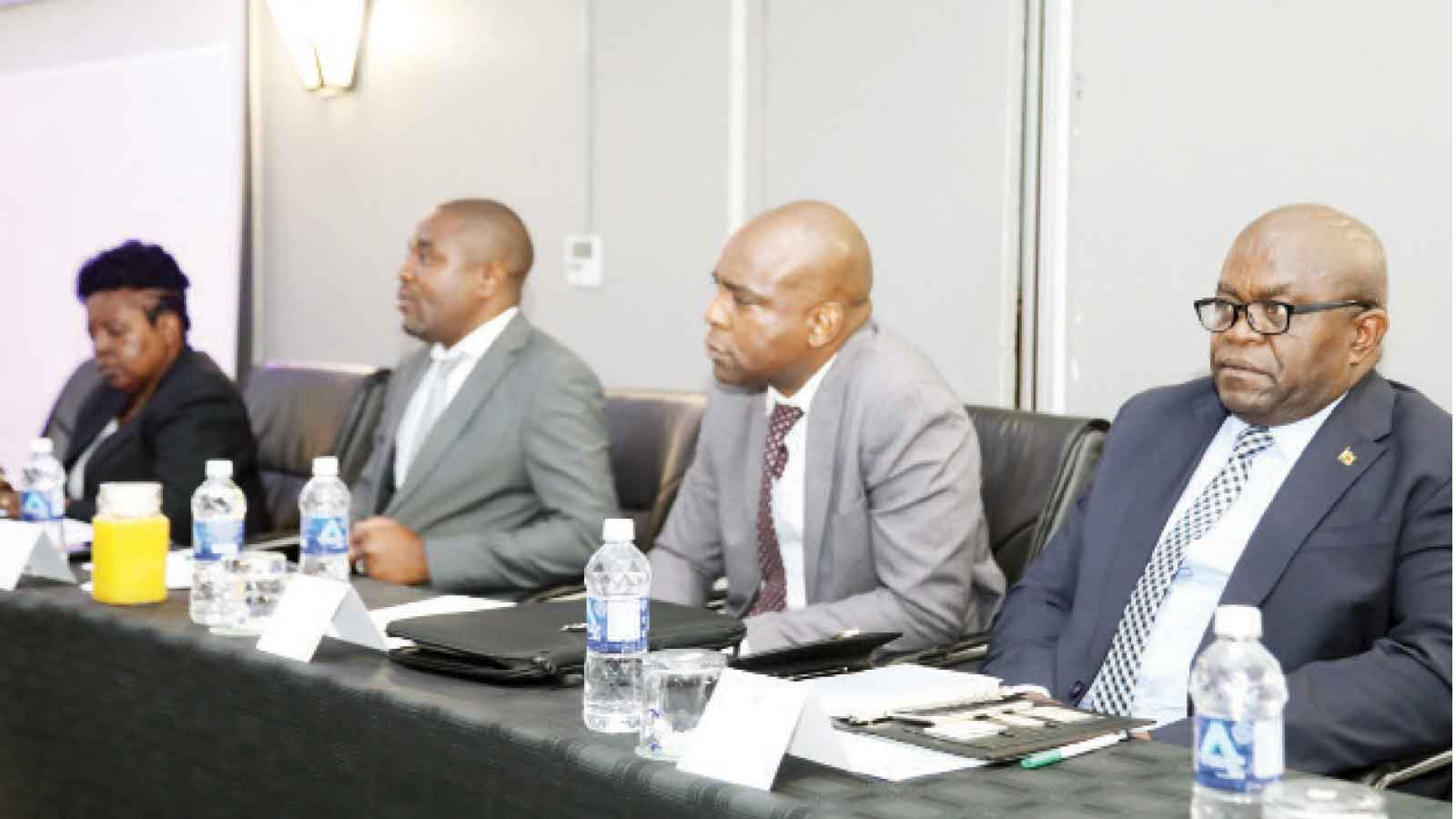
During a panel discussion on “enhancing linkages between gastronomy tourism and agriculture, Tourism and Hospitality Industry Minister, Barbara Rwodzi, was asked on challenges facing gastronomy tourism in Zimbabwe.
She said: “We want to thank UNWTO Secretary General for inviting our First Lady and the first African First Lady representative to be here at the gastronomy conference.
“We are very happy as Zimbabwe to be invited and as everything has been alluded to and articulated very well by our First Lady, Her Excellency Dr Auxillia Mnangagwa, the challenges that we face on gastronomy tourism and agriculture is the issue of climate change. However, our Government has come up with a programme that we call Pfumvudza/Intwasa, which is climate-proofed agriculture.
“Our First Lady again took it upon herself to start a programme called Agric4She that promotes women in farming in the communities to empower them and ensure that gastronomy has sustainability. Her gastronomy programme continues so taking advantage of that programme. She started the programme Agric4she whereby women in our country are provided with seeds for traditional grains which are drought resistant. Since the introduction of the programme, it has grown.”
The First Lady’s programmes, Minister Rwodzi said, have brought together the country’s culture and heritage and it was now easier to link agriculture with tourism.
She said it was critical for all the country’s citizens to appreciate the importance of gastronomy tourism together with agriculture.
After Minister Rwodzi’s contribution, the panel’s moderator Ms Alessandra Priante, the UNWTO director for Europe said that Zimbabwe was blessed to be supported by the First Lady in gastronomy tourism and would go very far across the world and be a good example for Africa.


 Online Reporter