shloboe boe
Sukulwenkosi Dube-Matutu, Mat South Bureau Chief
FIVE people succumbed to drug and substance abuse in Matabeleland South Province between January and August this year amid calls for collective nationwide stakeholder involvement in fighting the scourge.
Speaking during a drug and substance abuse resource mobilisation provincial launch programme in Gwanda last Thursday, Matabeleland South provincial social welfare officer, Mr Criswell Nyakudya, said 68 drug users received treatment and rehabilitation under the Ministry of Health and Child Care.
He said of those, five passed away due to drug and substance abuse. Three of those who died were from Gwanda, while Matobo and Beitbridge districts had one death each.
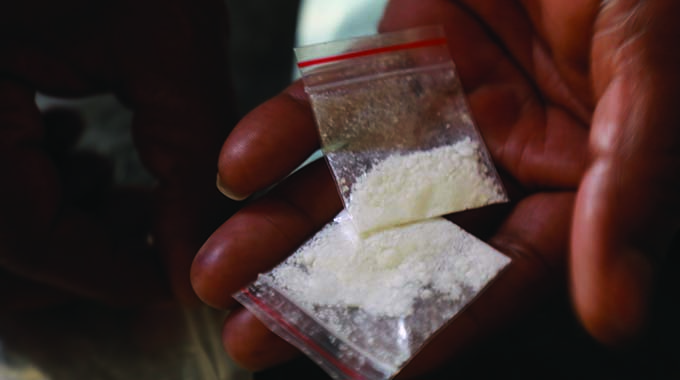
Mr Nyakudya said during the period under review, a total 1 556 individuals were arrested for drug abuse-related cases.
Of these 1 269 are males and 287 are females. Of those who were arrested, 48 were convicted.
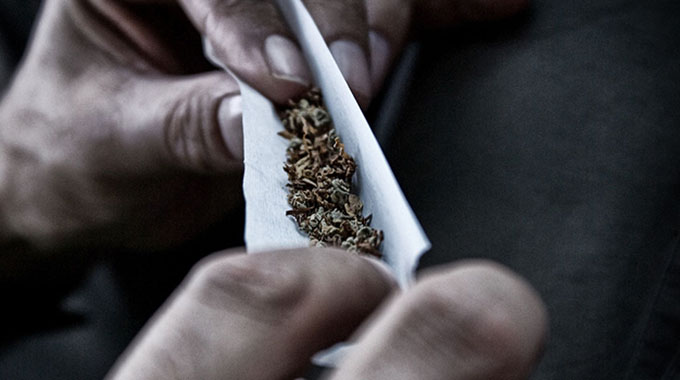
He said common drugs in the province are marijuana, crystalmeth, benylin cough syrup, broncleer cough syrup, astrapain and unregistered medicines.
“The Department of Social Development received 68 referrals of addicts who were discharged from the Gwanda Provincial Hospital. These referrals were sent to their respective districts for community and family reintegration services,” said Mr Nyakudya.
“Gwanda had the highest number of referrals with 24, Beitbridge had 13, Bulilima had eight, Insiza and Umzingwane had six each, Mangwe had four while Matobo had two referral cases,” he said.
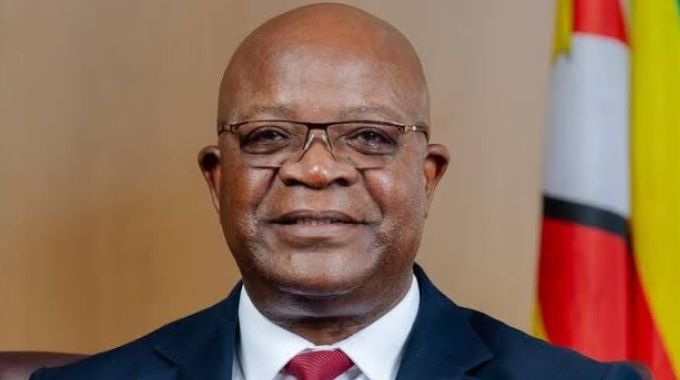
In his speech to mark the launch of the resource mobilisation programme, Minister of State for Matabeleland South Provincial Affairs and Devolution, Albert Nguluvhe, said the province’s drug and substance abuse statistics are an indication that a lot of work has to be done and progress can only be achieved if all stakeholders are involved.
“This launch is a response to His Excellency, the President Cde ED Mnangagwa’s clarion call on all citizens and institutions to intensify the fight against drug and substance abuse.

“As Matabeleland South, it is prudent that we do our part to participate and support this plan in the fight against drug and substance abuse,” he said.
“I’m glad that a lot of work and achievements have been registered in the province. The Provincial Drug and Substance Abuse Taskforce is operational.”
Minister Nguluvhe applauded various stakeholders, which include organisations, corporates, churches, media and residents for continuously preaching and disseminating information on drug and substance abuse.
He said the province is faced with a myriad of challenges that require material and financial support in addition to the work that has already been done.
The province does not have a functional stand-alone rehabilitation centre and relies on Ingutsheni Central Hospital in Bulawayo as a referral rehabilitation centre.
The province identified the old TB Clinic in Jahunda, Gwanda for rehabilitation so that it becomes the provincial referral centre for survivors of drug and substance abuse.
“The identified centre needs renovations.
The supply reduction pillar needs to be capacitated with resources to make more arrests. The province has no equipment to conduct instant preliminary drug tests and scanners, especially at our border posts,” said Minister Nguluvhe.
“Fuel for mobility in conducting drug and substance abuse raids and patrols by the police is also not available. These are some of the gaps that need financial resources for the province to make a significant impact in the fight against drug and substance abuse.”
The drug and substance resource mobilisation initiative will see the province fund-raise for combating the drug and substance abuse scourge.
The province is expected to raise US$280 000 towards the drug abuse fight and the money will be used for initiatives such as the establishment of rehabilitation centres, recreational facilities and awareness campaigns among others.
Provinces were tasked to come up with strategies, among them raising funds towards the fight against drug and substance abuse in a bid to tackle the growing scourge that has devastated communities across the country.
This follows the national call to action by President Mnangagwa, who on 11 July launched the National Drug and Substance Response Resource Mobilisation programme in Harare.
Drug and substance abuse remains one of the most urgent and escalating public health challenges facing Zimbabwe and Matabeleland South Province in particular.
As a result, the Zimbabwe Multi-Sectoral National Action Plan on
Drug and Substance Abuse (2024-2030) was developed to address this complex issue through a co-ordinated, holistic and inclusive approach that embraces prevention, treatment, rehabilitation, policy reform and sustained community engagement.
The Government has set up a National Committee on Drug and Substance abuse guided by seven pillars.
The pillars focus on supply, demand, harm reduction, treatment, rehabilitation, legal frameworks, community reintegration and media strategies to ensure a holistic fight against the scourg


 Online Reporter