Online Reporter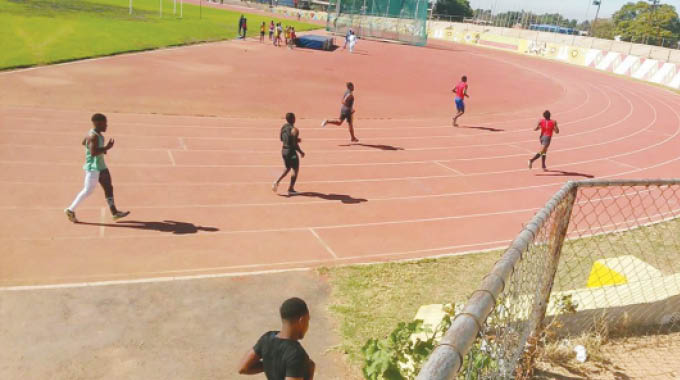
Lovemore Dube, [email protected]
THE stopwatch did not lie at White City Stadium in Bulawayo on Saturday.
By midday, sprinters were doubled over on the track, hands on knees, gulping water between heats. The first National Athletics Association of Zimbabwe ranking event of the year began at 8.30am.
As finals drew closer, the sun grew harsher and times began to slow.
This was a selection meet. Athletes were chasing national colours and qualification standards. Instead, many were battling the heat.
White City’s biggest weakness stood out again. There are no floodlights.
Around the world, top athletics meetings are held in the evening. Cooler air brings faster times, longer jumps and stronger finishes. Most world records have come at night. At White City, there was no such cushion.
Naaz is staging a series of ranking competitions this season to standardise conditions and assemble the country’s best talent. Saturday was the first test. The heat disrupted that plan.
“Floodlights would change everything,” said athletics official Manu Mpofu.
“We could stage finals in the evening when conditions are better. Athletes would perform closer to their best and spectators would enjoy staying for the headline races.”
The discomfort in the stands was obvious. There is little shade. Parents shielded their faces with programmes and plastic bottles.
“Very few people can sit through this heat,” said a woman who travelled to watch her niece compete for her school.
“We want to support them, but it’s hard to stay here for hours. Morning and evening sessions would help.”
The absence of lights affects more than comfort. It limits White City’s earning power.
Evening meetings would stretch the programme, improve gate planning and strengthen broadcast value. Sponsors want prime time visibility. Broadcasters want fixed viewing slots. Right now, White City cannot provide either.
A local authority employee who attended to assess the economic impact of visiting teams said the turnout was promising.
“I saw athletes and officials from outside Bulawayo filling lodges and moving around the city,” he said.
“The competition level was good and the organisation was solid. The only drawback was the heat. Splitting events between morning and evening would make a difference.”
Bulawayo City Council is required by Government directive to channel seven percent of its revenue to sport.
The aim is to improve facilities and widen participation. Whether floodlights are in the council’s capital plan for White City remains unclear.
Solar systems are now common at municipal venues across the region. They cut long-term costs and allow flexible scheduling. For a stadium that hosts national championships, lighting would not be cosmetic. It would be essential.
Zimbabwean athletics is regaining momentum, with local athletes earning international exposure.
Ranking events at home are meant to sharpen that edge. That only works if conditions support performance.
White City has the history, the location and the calendar. What it lacks is light.
Until that changes, Zimbabwe’s fastest and strongest will keep chasing standards under a punishing sun, in a stadium that goes quiet once the heat fades.