Online Reporter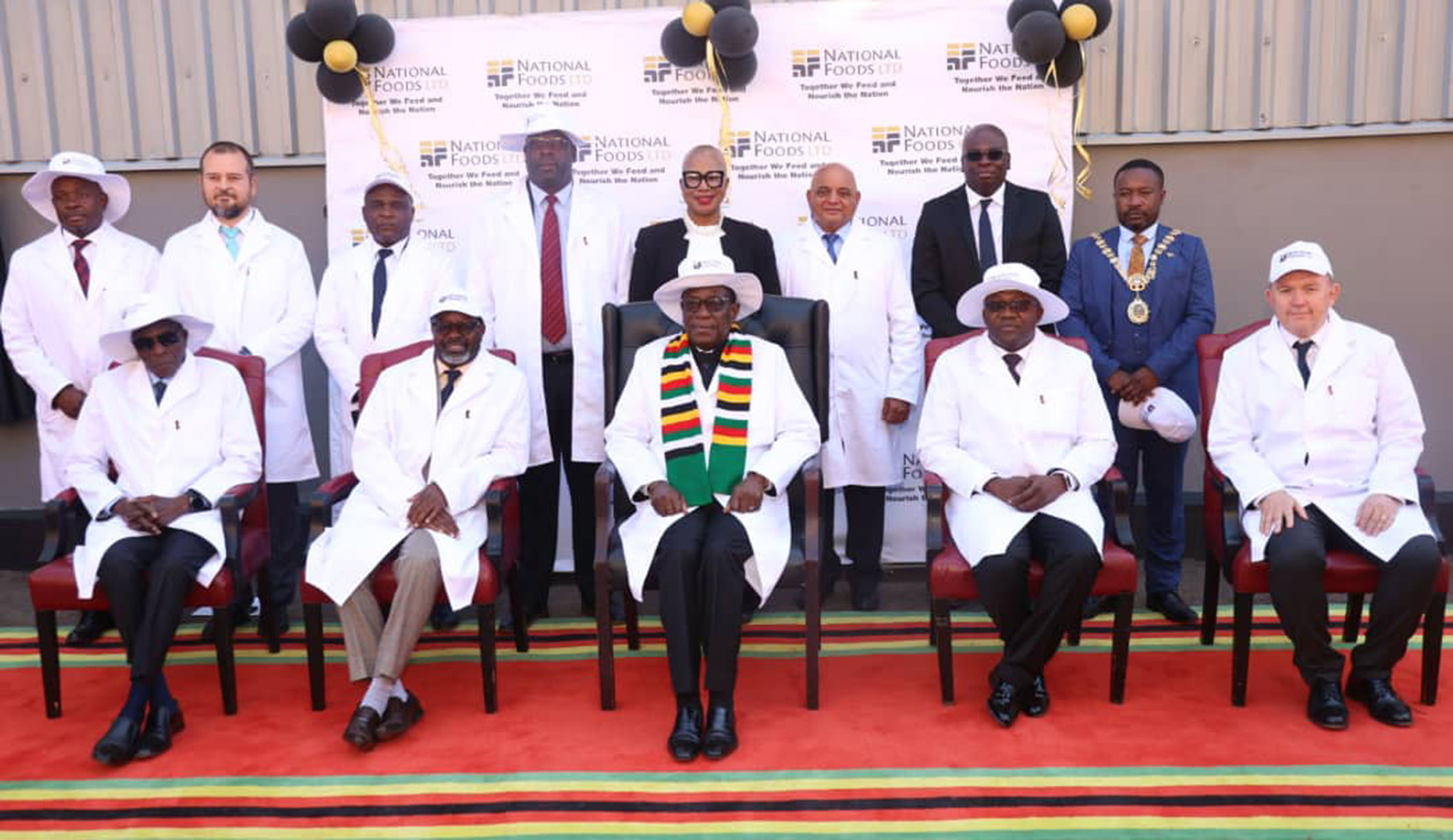
Today, President Mnangagwa is expected to officially open a biscuit, cereal and pasta plant at National Foods in Harare.
This event marks a significant milestone for the company and the country at large as it highlights Zimbabwe’s efforts to attain food security.
National Foods is a renowned manufacturer of various food products.
This launch is part of President Mnangagwa’s efforts to boost the country’s economic growth.
In recent months, he has emphasised the importance of agriculture and value addition in Zimbabwe’s economy.
Here’s what you can expect from the live story:
President’s Address
President Mnangagwa will deliver a speech that might highlight the importance of the manufacturing sector and the role of National Foods in the country’s economy.
Plant Tour
The President will probably tour the facilities, showcasing the company’s capabilities and new developments.
Economic Impact
Discussions may focus on how this launch will contribute to Zimbabwe’s economic growth and food security.
Stay tuned for live updates and insights into this significant event!
Wallace Ruzvidzo will keep us informed while Believe Nyakudjara will provide the pictures.
The President has arrived at the Aspindale plant

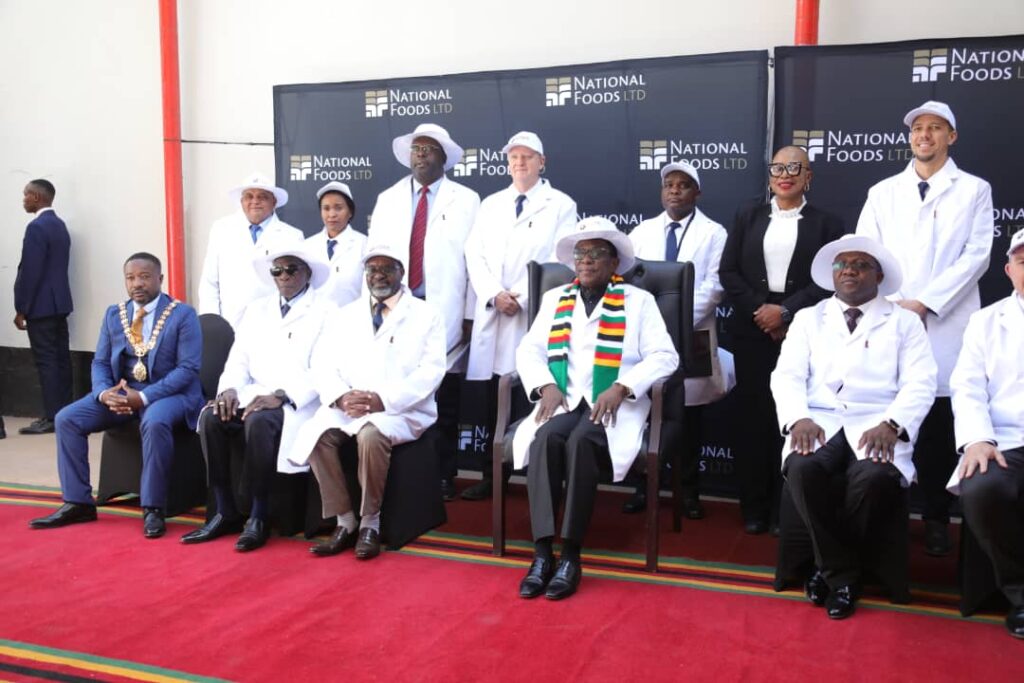
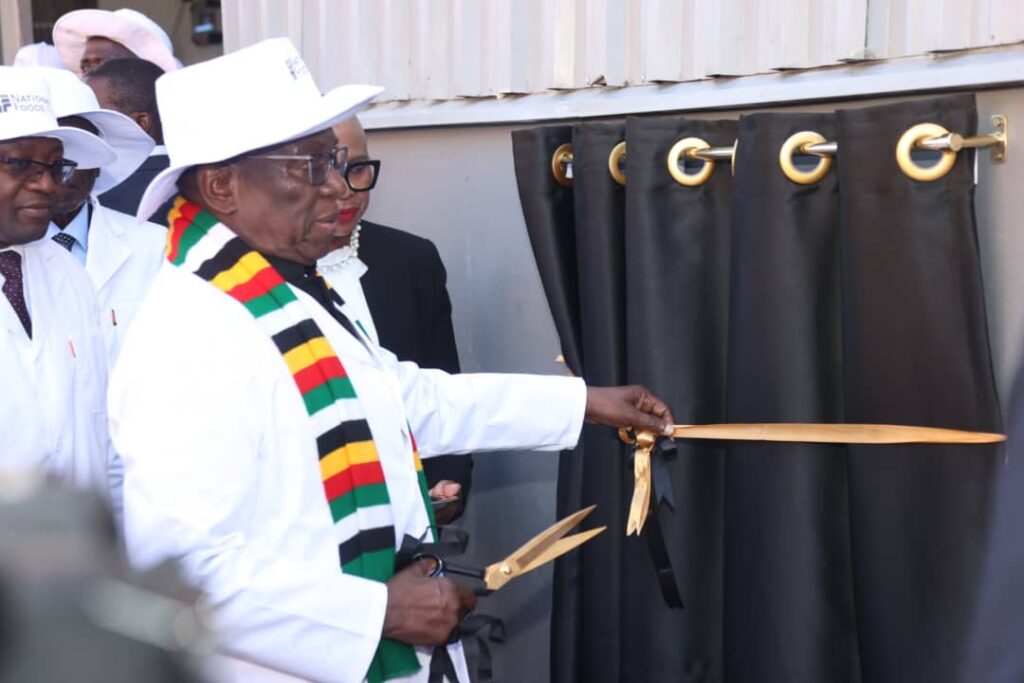
President tours plant, cuts ribbon
President Mnangagwa had concluded the tour and the ribbon-cutting ceremony at the Aspindale plant.
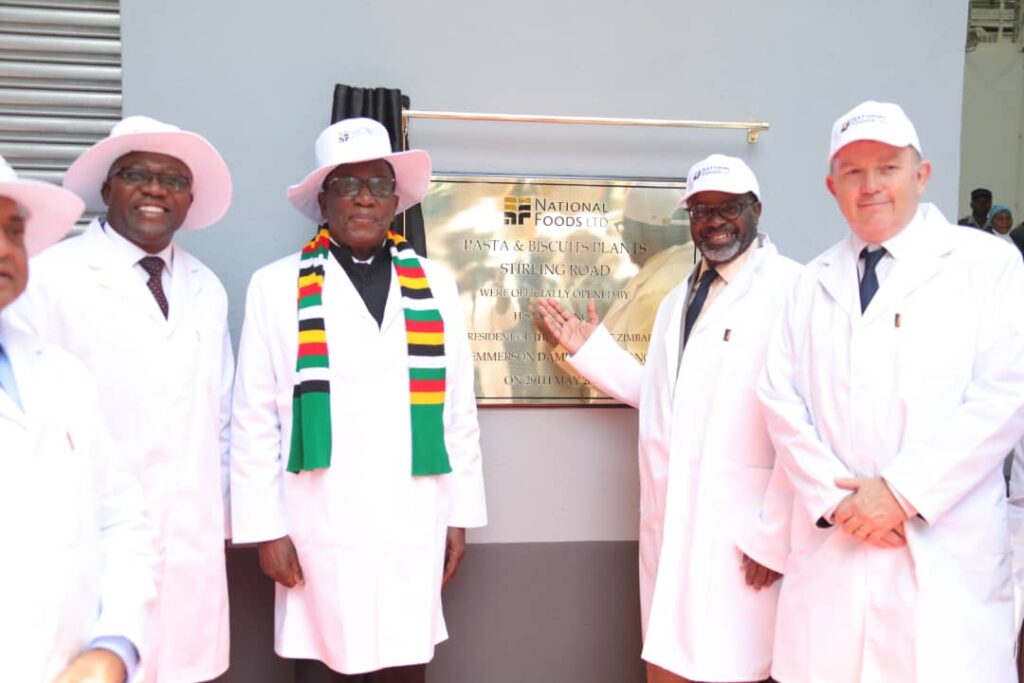
The President’s entrance into the main auditorium to give his keynote address is followed by the singing of the national anthem, thereby marking the beginning of proceedings.
Among those in attendance are Cabinet Ministers and captains of industry.
‘Second Republic has created a conducive environment for businesses’
Harare Minister of State for Provincial Affairs and Devolution, Senator Charles Tawengwa has now taken to the podium to give his remarks.
He said since 2018, Harare has embarked on many life-changing projects.

Minister Tawengwa said the Second Republic’s dedication to economic growth is unparalleled.
The Provincial Minister said the Second Republic has ushered in a conducive environment for businesses to thrive.
“The US$22 million investment by National Foods is testament that Zimbabwe is indeed open for business,” he said.
The presence of the plant, added Minister Tavengwa, will contribute to the country’s food security.
National Foods expresses confidence in Government policies
National Foods CEO Mr Mike Lashbrook is now giving his remarks.
He said the commissioning of the plant is a major milestone.
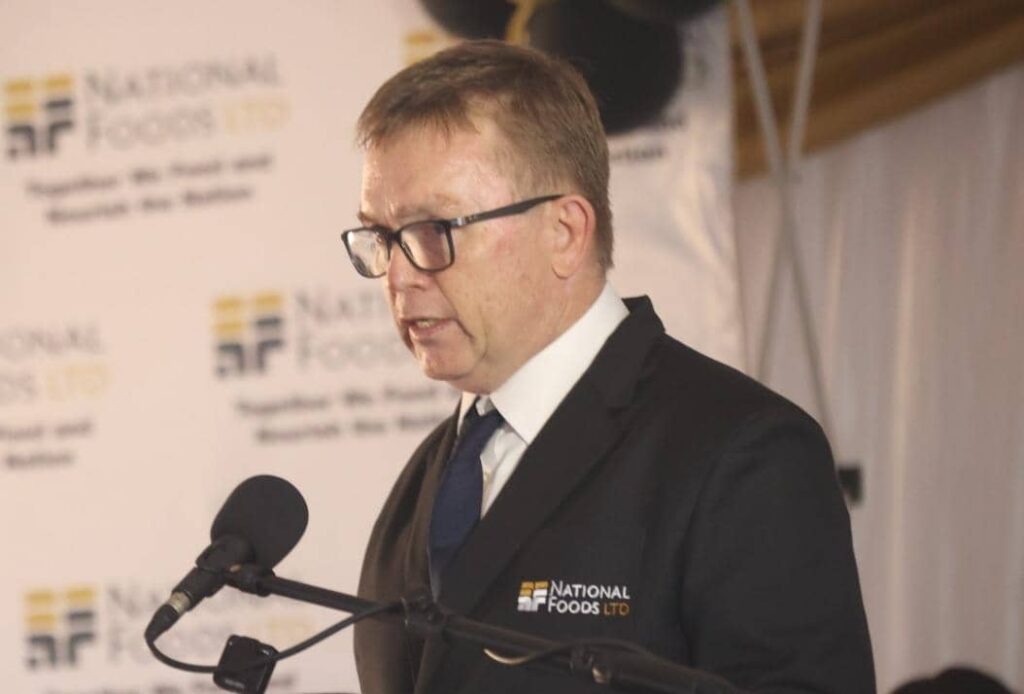
Mr Lashbrook expressed the company’s confidence in the Second Republic’s business-oriented policies.
“We are obsessed with making sure that we fulfil the needs of the consumer,” he said.
Industry Minister applauds growth in commerce
Industry and Commerce Minister Mangaliso Ndlovu has taken to the podium to give his remarks before introducing the President.
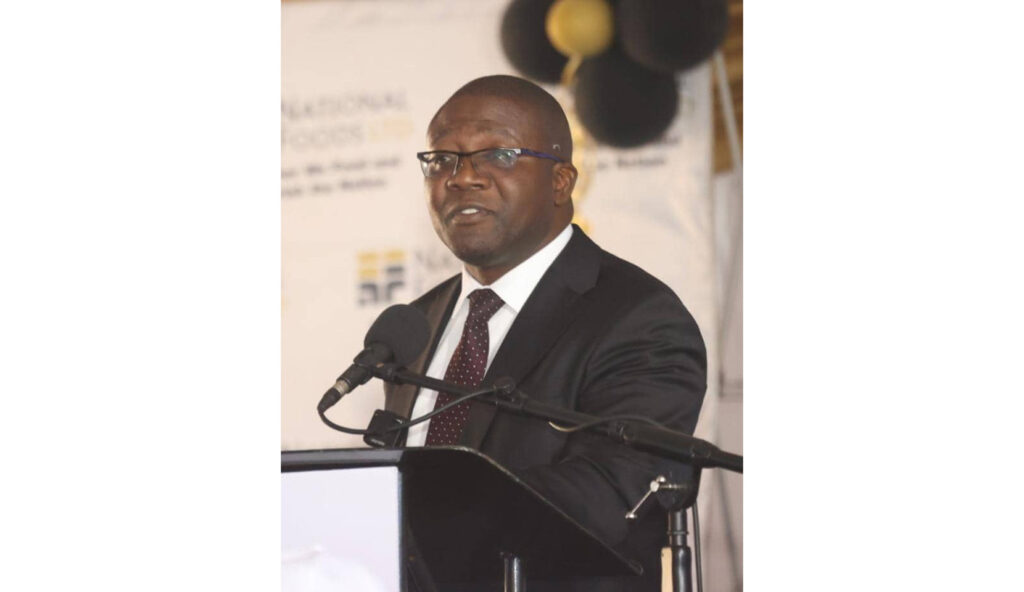
As the parent minister, he said he is delighted to witness such initiatives by companies under his purview.
“Today we celebrate the accomplishments of National Foods while accelerating our vision,” he said.
“Our agriculture sector has witnessed phenomenal growth under the Second Republic.”
The minister highlighted National Foods’ commitment to aiding the country’s socio-economic growth agenda.
He then introduced President Mnangagwa.
Zimbabwe takes control of its food systems: President
President Mnangagwa has taken to the dais to give his keynote address.

He said the National Foods facility is a welcome development and is in tandem with the Government’s developmental thrust.
“The facility is a testament to the company’s commitment to complementing Government efforts to consolidate national food security,” he said.
The President said the plant is in response to his call for increased modernisation.
“This marks a new chapter in the food processing sub-sector, driven by innovation and technology, well done,” he said.
“We are advancing our vision, where value addition thrives.”
The plant will utilise 15 000 tonnes of maize annually, directly supporting local farmers and stimulating local production while increasing Zimbabwe’s regional competitiveness.
“It is vital that we grow what we eat and eat what we grow, taking control of our food systems for the well-being of our people.”