admin
admin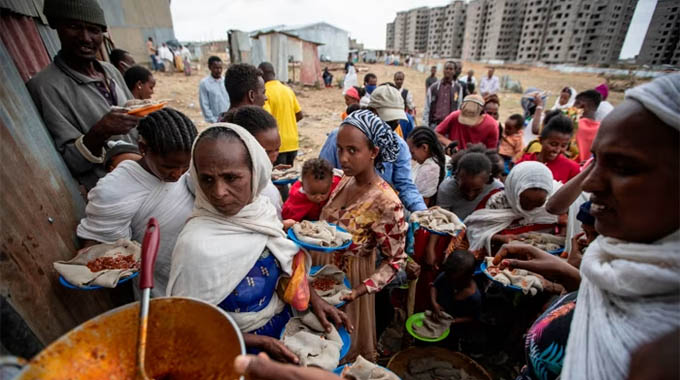
Severe food crises threaten hundreds of thousands of people in vulnerable areas, including the Palestinian territories, Sudan, South Sudan, Haiti and Mali, where populations face or near famine, says a report by the United Nations’ food agencies released on Thursday.
Conflicts, economic instability, and climate shocks – combined with reduced funding for emergency food and agriculture assistance – are driving alarming levels of acute food insecurity, the report warned.
“Immediate, scaled-up intervention is needed to prevent further deterioration in these already vulnerable regions,” it added. The UN Food and Agriculture Organisation and the World Food Programme said acute food insecurity is projected to worsen across 16 “hunger hotspots” during the next six months in 14 countries and two regions.
Sudan, South Sudan, Haiti, Mali and the Palestinian territories remain at the “highest concern level,” the report said.
Chad, Lebanon, Myanmar, Mozambique, Nigeria, the Syrian Arab Republic and Yemen are classified as “hotspots of very high concern,” where large numbers of people are facing or are projected to face critical levels of acute food insecurity.
“Conflict and armed violence continue to be the primary drivers of hunger in numerous hotspots, disrupting food systems, displacing populations, and obstructing humanitarian access,” the report warned. FAO and WFP experts believe that the conflict in Sudan is likely to expand, “driving mass displacement, resulting in famine levels likely to persist and the number of people in catastrophic conditions to increase.”
That will further aggravate the regional humanitarian crisis, resulting in increased cross-border movements to neighbouring countries, primarily Chad, South Sudan, Egypt, Libya, Ethiopia and the Central African Republic.
The UN agencies also stressed that the ongoing conflict in the Palestinian territories has driven “unprecedented needs, with near-total displacement of the population and an increased risk of regional spillover.”
In Lebanon, the ongoing escalation of conflict is significantly increasing the number of people requiring humanitarian assistance and is severely impacting levels of acute food insecurity, they added. Since the last report in May 2024, Kenya, Lesotho, Namibia and the Niger have been added to the hunger hotspots list, partly due to the impact of climate extremes.
Beyond conflict, weather extremes and increased climate variability are exacerbating acute food insecurity in many regions, the report said.
La Niña – a natural climate pattern that influences global weather marked by cooler ocean temperatures in the equatorial Pacific – is expected to persist through March 2025, with a significant impact on rainfall patterns and temperatures. – Africanews.



 Online Reporter