malvernmugadzikwa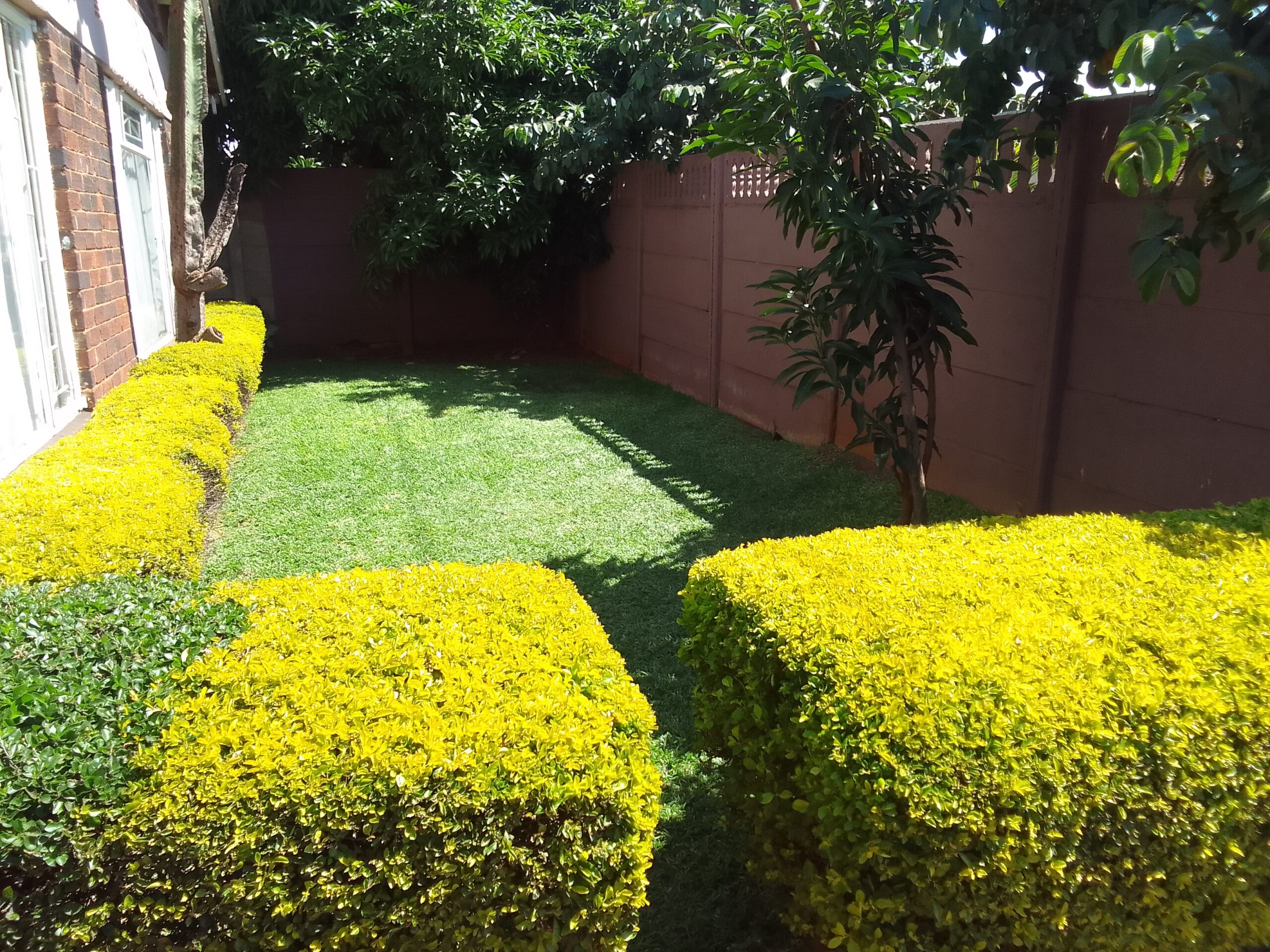
Andrew Mangwarara
NO matter how big or small the space is, it can be transformed into a pleasing green environment.
This is what Flavian Shonhiwa has done at his Warren Park residence.
He works around the clock to keep his surroundings alive with colour.
By choosing the popular golden duranta (duranta repens), he turned his landscape into a haven of beauty.

The front yard is adorned with a weed-free couch grass (cynodon dactylon) lawn, which is easy to maintain as it does not need a lot of water; it is drought-resistant.
Two guava trees (psidium guajava), which are resilient in poor soils, stand together in front.
This brings us to our subject of the day — planting not just for the sake of aesthetics but also for the benefits we derive from these plants, in what is termed foodscaping.
Foodscaping is a modern term for the practice of integrating edible plants into ornamental landscapes.

It is a design where you can walk freely, plucking a berry here and there as you enjoy the scenery. This is not a new concept in the African setting as most people’s gardens are usually big enough for one to plant a mango tree and some vegetables.
However, the landscape needs not be ugly and boring.
By choosing colourful herbs and many other edible plants, you will be amazed with what an excellent green setup you can achieve.
Avoid the ordinary concept of a small rectangular patch of kale plants by shaping it into a unique design.

On fruit trees, choose the ones that will not overly mess up your lawn.
Go for grafted trees, as opposed to ones grown from seed, which grow too big.
Foodscaping is cool.
You do not have to walk all the way to the back of your yard to pick up a few tomatoes or herbs for cooking.
Amongst fruits, try pawpaws, granadillas, grapes, strawberries, pomegranates, loquats, macadamia nuts, bananas, tree tomatoes and litchies. Herbs like lemon grass, lavender, globe artichoke, rosemary, mint, fennel, bay leaf, pineapple sage and thyme will make excellent landscaping subjects.
With the myriad of vegetables available, the sky is the limit. Your bean plants will gladly climb a fence and make it easy to harvest.
The inclusion of indigenous vegetables cannot be ruled out.
Talk of amaranth (bonongwe), okra (derere, idelele), catwhiskers (nyevhe), cowpea (nyemba), mustard rape (tsunga), blackjack (tsine, ucucuza), cassava (mufarinya) and lambs quarter (mubvunzandadya), which can bring some variety in the design.
The art of foodscaping will require that you have your own gene bank (seed store).
Preserving some seed for future use will save you lots of money.
Green up your scenery with edible plants.
If you would like to be featured in our green-up campaign, contact us on the number above. Feedback: [email protected] or [email protected]



 Online Reporter