admin
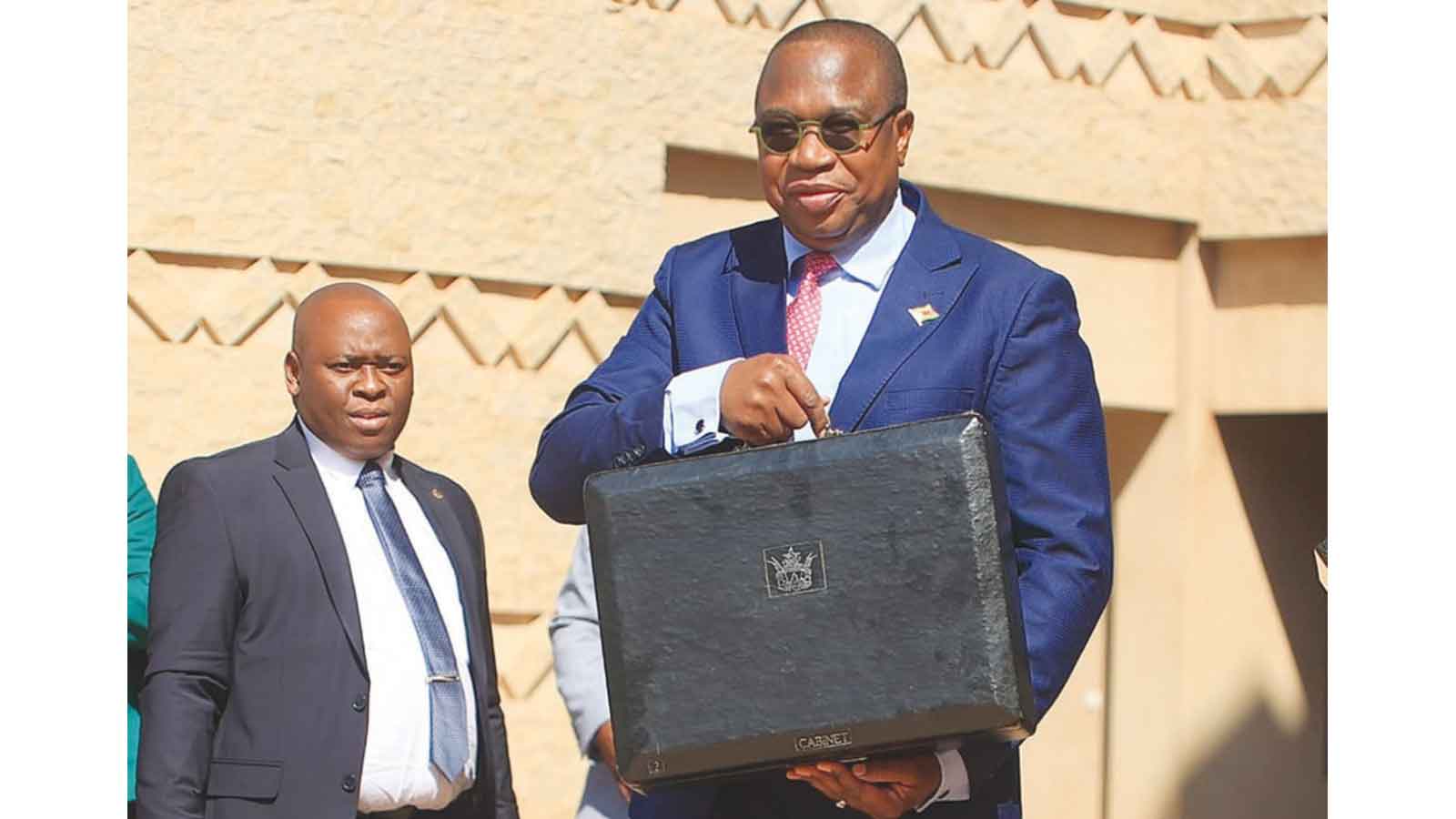
adminMinister Tendai Biti has said.
Despite the increase, the capital inflows have remained subdued, considering that the FDI averaged 18 percent of gross domestic in the 80s and 20 percent in the 90s before falling to a mere 1,1 percent during the past decade. Moreover, the country continues to lag behind most Sadc countries in attracting FDI.
“Our domestic investment shortfalls necessitate that we intensify strategies to attract foreign direct investment,” Minister Biti said last week, “which is inextricably connected to growth and capital formation.
“However, for the country to successfully compete for external investment, a number of factors need to be in place. These, among others, include a secure, conducive and business-friendly environment.”
Minister Biti said Government would focus on improving on key indicators where Zimbabwe had slipped – starting a business, dealing with permits, registration, credit availability and protection of investment.
The One-Stop Shop Investment Centre launched in 2010 would be strengthened through secondment of officials from line ministries to the Zimbabwe Investment Authority to reduce bureaucracy.
This would result in the processing of all investment applications and licensing to within five working days. The ZIA Act would be amended to reinstate former export processing zones under the new
Special Economic Zones, which would be credited with special incentives for enticing investments.
“Attracting investment will require an accelerated approach to resolving the country’s external debt issue,” Minister Biti said.
Investors continued to shun Zimbabwe despite its vast potential as a frontier market emerging from a decade-long economic instability.
Economic Planning and Investment Promotion Minister Tapiwa Mashakada recently attributed the poor inflows to negative perceptions about indigenisation and country risk profile. Indigenisation is a
Government policy seeking to transfer at least 51 percent shareholding of foreign-owned firms to black Zimbabweans.
“Investors are adopting a wait-and-see attitude. They are not impressed by the 51 percent policy,” said Minister Mashakada.
Minister Mashakada said the country had the biggest drawcard in the form of its vast mineral resources base, including diamonds, platinum and gold. But the Government would adopt a multi-pronged approach to attract foreign investment, curtailing finalisation of outstanding bilateral investment agreements.
While global foreign direct investment rose modestly by 5 percent to US$1,42 trillion last year, inflows to Africa declined by 10 percent to US$55 billion, according to the African Development Bank.


 Online Reporter