Online Reporter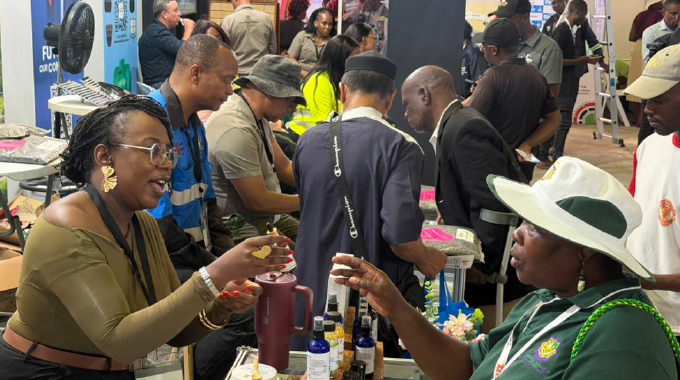
Gibson Mhaka, [email protected]
FOREIGN exhibitors at the Zimbabwe International Trade Fair (ZITF) have said the 2026 edition is already yielding meaningful engagements, with many expressing optimism about forging strategic partnerships in line with the trade showcase’s theme: “Connected Economies, Competitive Industries”, which they described as a timely catalyst for regional and global integration.
The premier trade showcase has attracted 31 countries and over 700 exhibitors, transforming the Zimbabwe International Exhibition Centre into a vibrant hub of diplomatic and economic activity.
For many international participants, the fair is not just an exhibition space but a strategic platform to build economic linkages among East, West, and Southern Africa.
Exhibitors who spoke to Zimpapers said the theme resonates strongly with their business models, particularly in promoting cross-border collaboration, industrial competitiveness and economic integration.
The Embassy of Kenya in Zimbabwe, which has returned with a significantly larger presence this year, hailed the theme as a reflection of its own national development strategy.
Speaking at the Kenyan pavilion, Head of Chancery Ms Justine Ikumiru emphasised that connectivity is the bedrock of industrial competitiveness.
“This year’s theme resonates with us because Kenya is the gateway to Africa through the ports of Mombasa and Lamu,” she said.
These ports clear goods for East, Central and even parts of Southern Africa, including Zimbabwe. Kenya possesses world-class transport infrastructure by rail, road and air to move goods and people efficiently.
“We expect to build strong networks and secure business deals, including signing Memoranda of Understanding (MOUs) with SMEs.
“We’re looking forward to making lasting contacts with many Kenyan companies. Our goal is to connect the Kenyan and Zimbabwean economies.” Ms Ikumiru said Kenya envisions a fully integrated continent anchored on strong regional blocs.
“We want to see a connected Africa — linking East Africa with Southern African Development Community (Sadc), Common Market for Eastern and Southern Africa (Comesa) and Economic Community of West African States (Ecowas) and ultimately connecting the entire continent to the rest of the world,” she said.
Ms Ikumiru further noted that connectivity extends beyond physical infrastructure to digital and financial ecosystems.
“Our highly developed fintech infrastructure through M-Pesa allows for global financial transactions in various currencies, making industries more competitive,” she said.
“Kenya is ready to engage through regional bodies like the East African Community (EAC) and SADC. We also bring products that connect people, such as our world-renowned tea and coffee beverages over which people often make major economic decisions.
“We are also here to exchange cultural and economic products. Kenya is open for business, and we are grateful to present our thriving economy to anyone looking to connect.”
The spirit of competition and industrial growth is also evident in the manufacturing sector. From Asia, Indonesian firm PT Wings Surya is actively seeking local partners to distribute fast-moving consumer goods (FMCG).
“We are manufacturers from Indonesia producing FMCG products such as detergents, noodles and coffee.
“We are using this opportunity to look for partners here in Zimbabwe,” said the company’s Export Officer, Mr Anthony Timothy.
“Our products are already available in more than 100 countries, and we are really excited to find the right partner here to expand our footprint.”
Regional collaboration in the education sector is also taking centre stage, with Ba Isago University seeking to deepen academic and skills development linkages.
The institution is utilising ZITF to strengthen bilateral ties through what it describes as the “export of knowledge”.
Ba Isago University senior marketing and communications officer Mr Kabo Komanyane said connected economies require a shared pool of skilled human capital.
“Botswana and Zimbabwe share deep bilateral ties across many sectors. Beyond sharing the Zambezi River with our neighbours, we want to export knowledge,” he said.
“Botswana is currently moving towards ‘TVETisation’ (Technical and Vocational Education and Training). We know Zimbabwe is very strong in TVET, and we are here to learn from their policies, programmes and industrial setups.”
He invited Zimbabwean students to explore opportunities in Botswana, noting that the university allows enrollment for O-Level holders, thereby strengthening educational linkages between the two countries.
From the SADC region, Malawian exhibitors such as Chambaika Milling Company are showcasing how diverse industries — ranging from agriculture to textiles — can thrive through cross-border trade.
“Our company is unique because we operate a clothing line alongside our food products.
“We sell high-quality rice, beans and groundnuts, but we also produce handmade clothing,” said Mrs Monica Guwella.
“We are here to connect and present our products to the Zimbabwean market.”
As the fair continues, exhibitors say ZITF remains a critical platform for fostering partnerships, strengthening economic linkages and enhancing industrial competitiveness across borders.