Online Reporter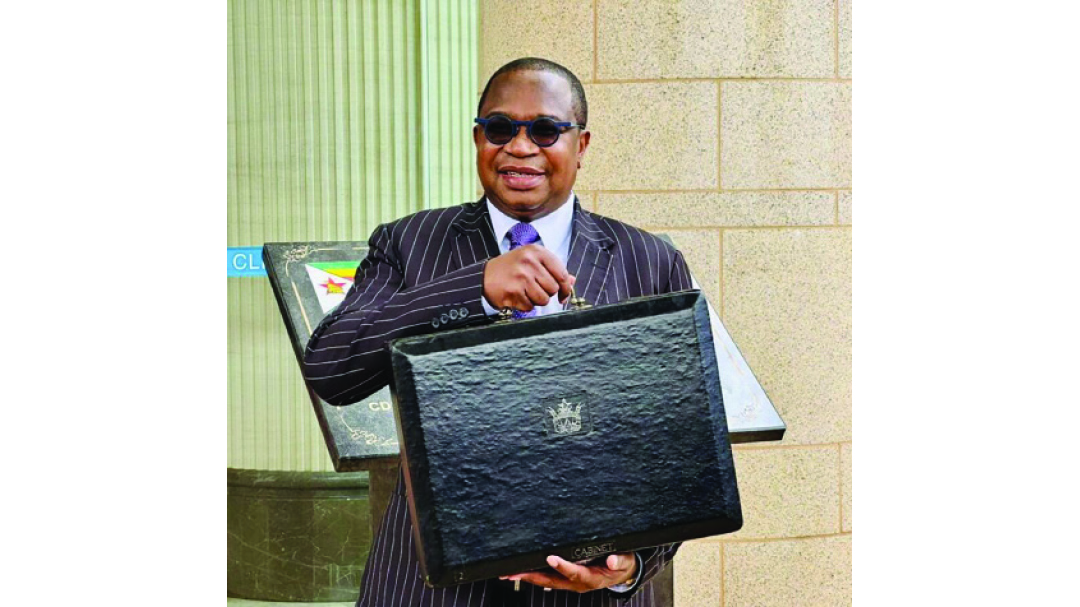
Nelson Gahadza
Zimpapers Business Hub
Zimbabwe’s foreign currency receipts rose by 30,2 percent to US$6 billion for the five months to May 2025 compared to US$4,9 billion in the same period in 2024, driven by an increase in export receipts, particularly in gold.
Finance, Economic Development, and Investment Promotion Minister Professor Mthuli Ncube, presenting the 2025 Mid-Term Budget review, said the increase in foreign currency receipts demonstrates remarkable resilience of the country’s external sector position.
The growth in exports is critical to the Government’s efforts to maintain the stability of the foreign currency and precious metals-backed new currency, ZiG, which was introduced in April last year, amid runaway inflation
“The growth in foreign currency receipts is primarily being driven by an increase in export receipts, particularly in gold, US$2 billion during the first six months; diaspora remittances, US$924,2 million during the first five months; and loans to the private sector, US$1,1 billion during the first five months,” he said.
Minister Professor Ncube said in the five months of 2025, merchandise exports increased by 11,4 percent to US$3,1 billion relative to the same period in 2024, with the robust export growth mainly driven by exports of gold.
“Gold exports performed strongly in the first five months of 2025, surging by 93 percent to US$1,4 billion from US$739,7 million recorded in the same period in 2024.
“This remarkable growth was largely driven by higher global gold prices, which have triggered domestic gold production,” he said.
He added that coke and cigarettes recorded growths of 48,8 percent and 8,1 percent, respectively, during the period under review.
“However, almost all other export products recorded a decline during the first five months of 2025 in comparison to the same period of 2024, mainly attributable to lower global commodity prices.”
Minister Professor Ncube said overall, merchandise exports were projected to close the year 2025 at US$8,4 billion, an 8,4 percent increase from the US$7,8 billion recorded in the comparative period in 2024.
During the first five months, merchandise imports grew by 5,2 percent to US$4,03 billion from US$3,83 billion during the same period in 2024, driven by higher import volumes of food, fuel and gas.
Presenting the Mid Term Budget review, Minister Prof. Ncube said the size of the economy is now approximately US$45,7 billion, up from the earlier estimate of US$35,2 billion in 2024, and this implies that both gross domestic product (GDP) and gross national income per capita (GNI) are now above US$3 000.
He said in terms of sectoral contribution, the structure of the economy is now dominated by manufacturing at 15,3 percent, mining and quarrying at 14,5 percent, wholesale and retail trade at 11,9 percent, financial and insurance services at 10,8 percent, and agriculture at 9,3 percent.
“Given the positive economic developments during the period from January to June, we are confident that the projected economic growth of 6 percent alluded to in the 2025 National Budget is achievable.
“All sectors of the economy are expected to record positive growth in 2025, mainly on account of a favourable agriculture season, improved electricity generation, and a stable exchange rate and inflation rate.
“This is notwithstanding declining international mineral commodity prices and a subdued global economic environment,” the minister said.
He also noted that the stability of the exchange rate explains the low average month-on-month inflation of 0,5 percent experienced over the past five months of the year.