peter
peter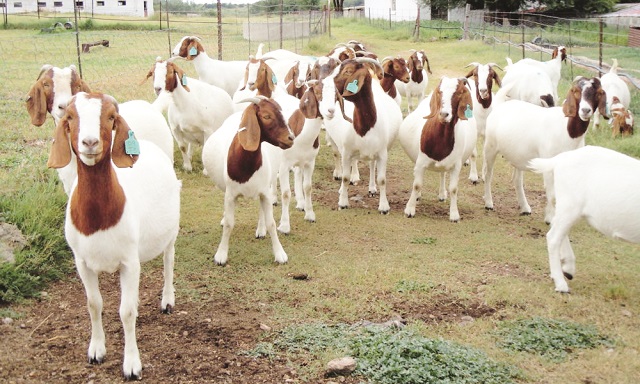
IN the recent past I have spoken about active participation and contribution of all agro-based value chain in the broader scheme of agriculture production.
I emphasised the importance of each and one of the value chains in ensuring that overly agricultural production and productivity are enhanced. I highlighted that even some value chains which were once very vibrant have since over the years gone down and almost dissolving into oblivion.
A good example being the pig production value chain which used to be well established and supported by a well-oiled output market with one parastatal having a giant pork-based offtake division.
The giant pork buying and processing unit has downsized to almost insignificant existence in terms of its geographical presence, with an obvious de-stimulating effect with regards to the growth of the entire value chain and pork production sector.
However, my focus this week is on goat value chain which seems to have a suppressed apex growth.
It is in fact telling, that one can walk into 10 butcheries in the city and find no goat meat in any off the display refrigerators in the butcheries. At the same time, we have well established and constantly served goat market place in two cities of this country, namely Bulawayo and Harare.
The Bulawayo spot being the Kelvin North industrial sites and Harare having the appropriately named Mbudzi area on the exit of Masvingo road from Harare City. These two areas indicate that there are goat consumers in these cities which frequent these areas hence the existence of these marketing places.
Why are the goat informal markets thriving in urban areas while the formal markets seem to be struggling? In most value chains formal markets do dominate over informal ones, the beef and poultry section being very good examples.
There are more chickens going through formal than informal channels and so is beef, I would like to posit. Is it goat consumers like the thrill of slaughtering and skinning goats such that they prefer buying live ones?
Is the goat more demanded for rituals, religious ceremonies, weddings and funerals, than it is for the ordinary family relish? What is hindering butcheries to slaughter and sell adequate goat meat from their shelves?
These are questions that need to occupy our minds if we are interested in invigorating this value chain. Honestly, with the hustle and inconvenience involved in buying and slaughtering a live goat especially in urban settings, one is left wandering how it is that there is a thriving market of live goats in the two major cities.

In fact, come to think of it, what is it about the two major cities of Harare and Bulawayo, that they would have established live goat markets when some other big cities like Gweru, Masvingo and others do not? Only when we begin to ask pertinent questions and have a deeper understanding of some of the issues in the value chain, can we begin to give it proper guidance regarding its growth trajectory.
Are the slaughter facilities too expensive such that it is not viable to slaughter goats and sell the meat in butcheries? Where is the bottle neck regarding driving goat meat through the formal markets which are by nature are better organised and wider in reach than informal ones.
These are the conversations that we need to have about this value chain if we are to give it life. I am aware that wherever there is talk of goat markets there is always name dropping of very lucrative external markets from the Arab countries but surprisingly it is almost impossible to find a person who has successfully exported to those markets?
Others will tell you of huge volumes demanded as a hinderance. So, if our production levels are not yet ready to carry the export markets, let us organise our local markets first. It cannot be right that every goat farmer who is making money is the one doing breeding stock and selling to other farmers.
The consumption offtake needs to come alive because that’s the one that sustains a value chain more than the production market. Put simply, if more goats are slaughtered and sold in butcheries, the offtake from the value chain will be higher than when the goat market is mostly from other farmers looking for breeding stock.
There is definitely something that needs to be addressed to open up the apex of the goat value chain, as to what it is, we probably need to seriously interrogate the value chain and find the answer. Otherwise, rituals and occasional ceremonies cannot sustain a value chain.
n Uyabonga umntaka MaKhumalo. Mhlupheki Dube is a livestock specialist and farmer. He writes in his own capacity. Feedback [email protected]/cell 0772851275.


 Online Reporter