Online Reporter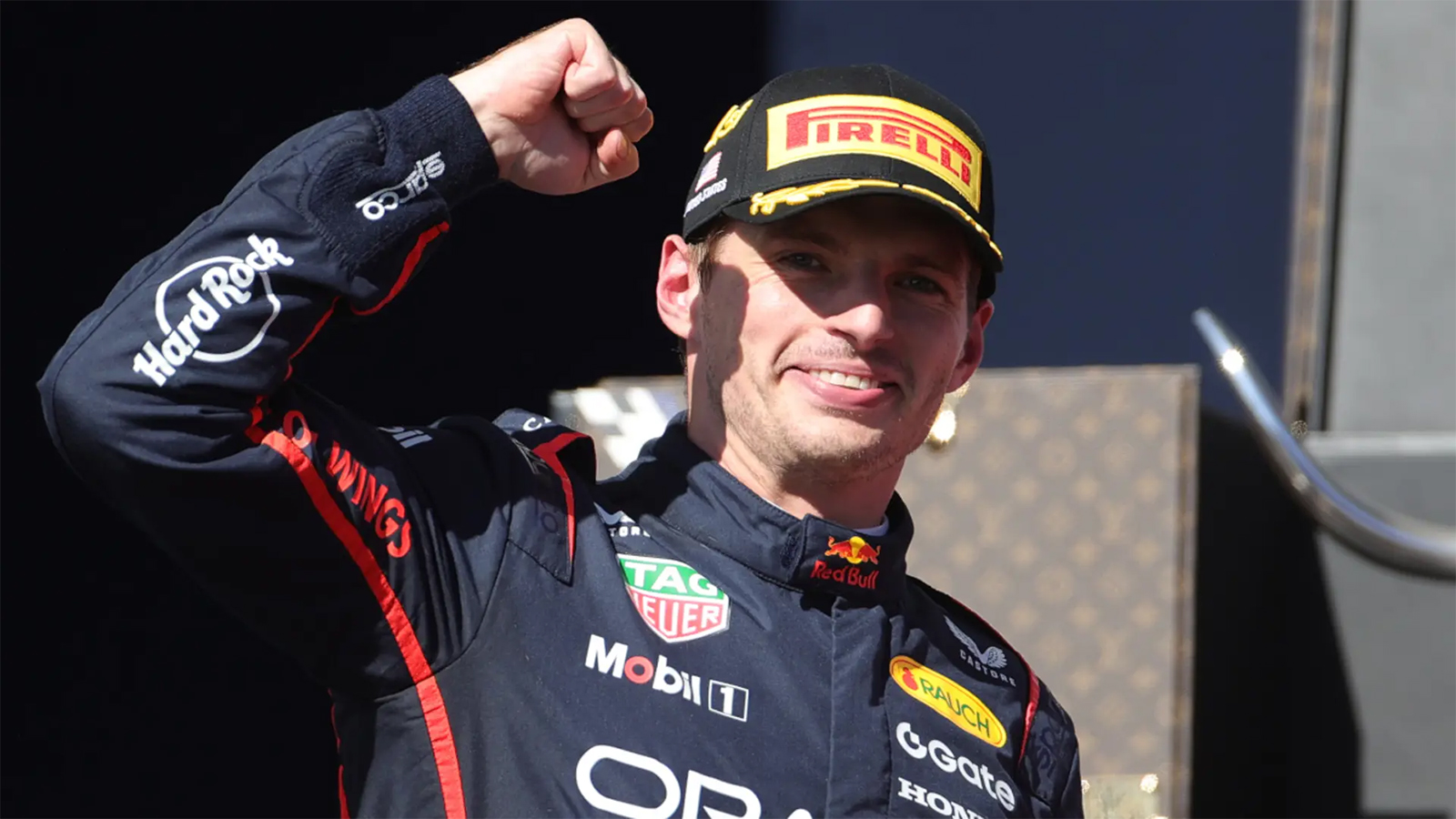
Formula 1 has made a series of rule changes to address concerns about the new engine regulations that were introduced for this season.
The amount of energy management required with the new power-units, which have a near 50-50 split between internal combustion and electrical power, has led to complaints from the drivers that their skills were being diminished.
Four-time world champion Max Verstappen has gone as far as to say that he is considering his future in F1 as a result of his dissatisfaction with the new cars.
The changes amount to a swathe of modifications to the way the engines operate aimed at allowing drivers to push to the limit in qualifying and reduce the risk of large speed differentials in races. These arise when one driver is deploying the full power of their engine and battery and another has no electrical charge — a difference of 470bhp.
They are split into a number of different areas, and most will be introduced at the next race, the Miami Grand Prix on 1-3 May.
Mercedes F1 boss Toto Wolff had previously on Monday described the changes as “acting with a scalpel and not with a baseball bat”.
Wolff added: “We all share the same objectives. It’s how can we improve the product, make it out-and-out racing, and look at what can improve in terms of safety.”
The changes were approved at a meeting of the F1 Commission of team bosses, F1 and governing body the FIA on Monday, following a series of meetings between technical chiefs, and between the drivers and the FIA. They must be rubber-stamped by a meeting of F1’s legislative body, the FIA world council.
The changes in qualifying are, according to a statement from the FIA, “aimed at reducing excessive harvesting and encouraging more consistent flat-out driving”.
Drivers were being forced to lift and coast — lift off the accelerator for a few seconds before braking for a corner — in some instances on a qualifying lap, one of several examples of new practices drivers have labelled “counter-intuitive”.
The total amount of permitted recharge on a lap has been reduced from 8MJ to 7MJ — thereby reducing the amount of energy needed to be recovered and therefore the amount of time doing so.
In addition, the maximum amount of power recovered when the driver is on full throttle but not deploying the battery — known in F1 terminology as “super-clipping” — has been increased to the maximum limit of 350kW, from the previous 250kW.
The FIA said the aim of these changes was to ensure the maximum time spent super-clipping on a qualifying lap was in the region of two to four seconds.
F1 has also increased from eight to 12 the number of circuits where a lower energy limit even than 7MJ may be applied. These are tracks where energy recovery is the most difficult, and tend to be those with long straights and few corners. —BBC