malvernmugadzikwa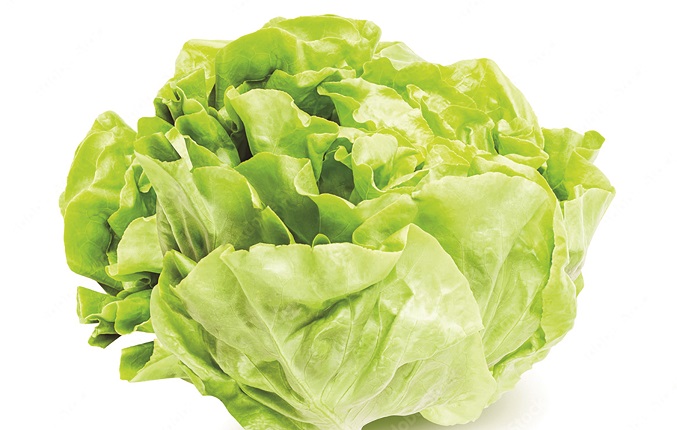
Trade Focus
Allan Majuru
Zimbabwe’s exports have been rising in the past few years, with the country having surpassed the 2023 target of US$7 billion well ahead of time.
This growth has been on the back of successful strategic and policy measures implemented by President Mnangagwa’s Second Republic in boosting the production of export-earmarked goods and services, as well as placing local producers at the centre of Africa and global supply chains.
For example, to boost horticultural exports, the Second Republic is implementing several policy measures and programmes to support agricultural production with a special focus on rural communities and previously marginalised groups.
One example is the Presidential Rural Horticulture Scheme, which was launched by President Mnangagwa in December 2021 to improve production and productivity efficiencies across the horticultural value chain.
The programme recognises horticulture as an important sub-sector, with the potential to contribute to the nation’s gross domestic product through exports.
Further, the national trade development and promotion agency, ZimTrade, is implementing a cluster programme to integrate rural communities into the mainstream export business.
These interventions include incentives for farmers, subsidies for critical inputs and initiatives to pool resources, share knowledge and improve their market competitiveness.
This collective approach has been enhancing production efficiency, ensuring consistent quality and helping to meet demand in larger markets.
With the ongoing efforts to boost production of horticultural produce, focusing on regional markets will provide an easy landing by smallholder farmers and rural communities.
Zimbabwe’s fertile soils, favourable climate and advanced farming techniques enable the production of exceptional quality fruits and vegetables all year round.
These natural advantages, combined with the country’s central location within the Southern African Development Community (SADC) region, facilitate efficient transportation and reduce logistics costs, ensuring fresh produce reaches markets quickly and retains its quality.
Trade statistics
For fresh fruits and vegetables, Zimbabwe’s exports within SADC continue to increase, with the main markets being South Africa, Mozambique, Zambia and Botswana.
South Africa, a key player in the region, has a fruits and vegetables market estimated at US$2,38 billion for 2024, with projections to grow to USS$3,45 billion by 2029. This growth is partly due to an increase in health consciousness among consumers, driving demand for fresh produce.
South Africa imports fruits and vegetables from various countries in the SADC region, including Zimbabwe.
Producers who are eyeing the market can use existing supply routes to introduce more produce into the market.
In Botswana, the banana market continues to grow, with imports from Zimbabwe increasing from three tonnes in 2018 to 472 tonnes in 2022.
There is a bigger market for bananas in Botswana, as the country requires a yearly average of 9 500 tonnes of imports from the world.
Additionally, avocados are in great demand in Botswana, with imports from the world increasing from 447 tonnes in 2018 to 755 tonnes in 2022.
Zimbabwe is still establishing its presence in Botswana and efforts are underway to connect local producers with leading buyers of fresh fruits and vegetables.
Another market to consider is Namibia, as only potatoes and lettuce have been exempted from import restrictions, underlining their critical role in Namibia’s horticultural landscape.
According to Trade Map, potatoes imported from the world by Namibia grew from 22 641 tonnes in 2018 to 27 662 tonnes in 2022.
Thus, potatoes and lettuce producers in Zimbabwe can tap into the Namibian market either through direct export or in partnership with Namibian farmers.
Also, in Zambia, opportunities for selected fruits and vegetables from Zimbabwe do exist.
Zambia’s citrus imports have been increasing from US$1,5 million recorded in 2020 to US$3,48 million in 2022.
Banana imports from the world increased from US$0,103 million in 2018 to US$1,24 million in 2022.
These opportunities can be tapped into by local farmers.
Leveraging on non-GMO policy
There is a growing shift across the world towards healthy eating habits, with consumers increasingly prioritising fresh, organic and non-GMO (genetically modified organism) produce.
Zimbabwe’s non-GMO policy aligns perfectly with these emerging consumer trends, providing a distinct competitive edge in the marketplace.
The Government’s commitment to a non-GMO policy is a significant selling point, appealing to health-conscious consumers and markets that value natural food sources.
This policy not only ensures the integrity and safety of Zimbabwean produce but also appeals to a niche market that values purity and natural food sources.
Some requirements
The SADC bloc presents many opportunities, and local suppliers must consider these requirements as they produce, rather than at the point of selling.
For exports of produce into SADC, there is a need to first identify produce easy to harvest based on capacity.
Key to supplying these markets is managing pests and diseases, ensuring crop quality and meeting strict food safety regulations.
Additionally, sustainability is topical, with consumers increasingly looking for products that are grown using eco-friendly methods.
This has led to a rise in practices such as organic farming, integrated pest management and water conservation.
Fruits and vegetables are perishable by nature, which requires a cold chain arrangement to maintain the quality and extend the shelf-life after harvest.
However, for fruits and vegetables, one should be very careful about the recommended storage temperature and humidity.
Any deviation will have an adverse effect on the stored product, leading to the loss of the entire commodity.
After production, one must attain the necessary registration requirements, like export permits from Zimbabwe, as well as meet import requirements in the destination market.
Exporters must register with the Agricultural Marketing Authority, obtain an export permit and phytosanitary certificate from the Ministry of Lands, Agriculture, Fisheries, Water and Rural Development. Export documentation is done through their preferred bank.
In the market, partnering with retailers and wholesalers is a viable option.
This approach can be especially effective if one is looking to reach new markets or grow sales quickly.
However, it can also involve additional costs and may require adjustment to pricing or branding strategy.
When partnering with retailers, it is important to find a good fit for the product.
One must consider the types of stores that their target customers frequent and the marketing strategy required.
Wholesaling can be a good option if one is looking to sell large quantities at once.
Allan Majuru is the chief executive officer of ZimTrade.



 Online Reporter