Online Reporter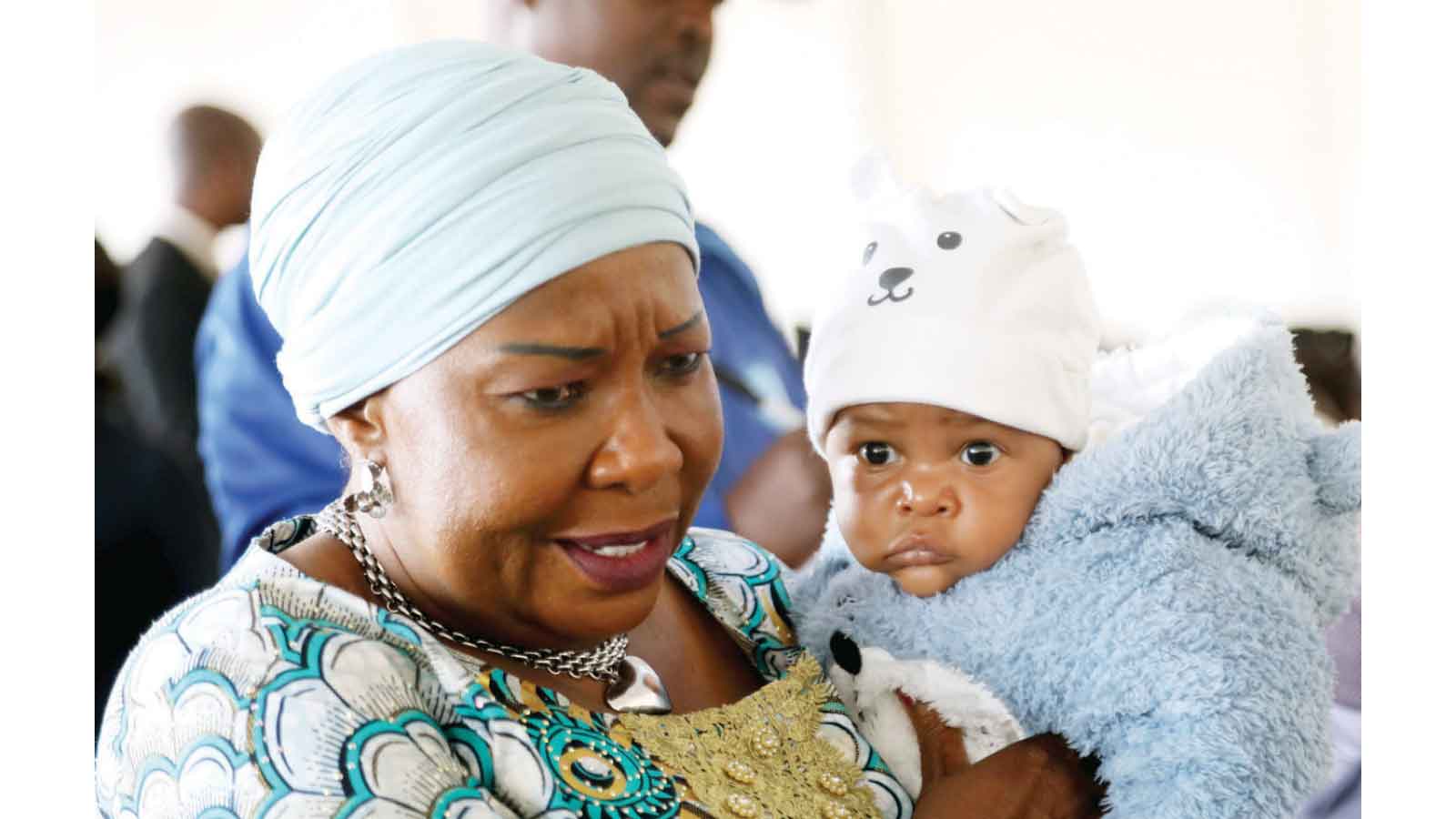
Blessings Chidakwa
Senior Reporter
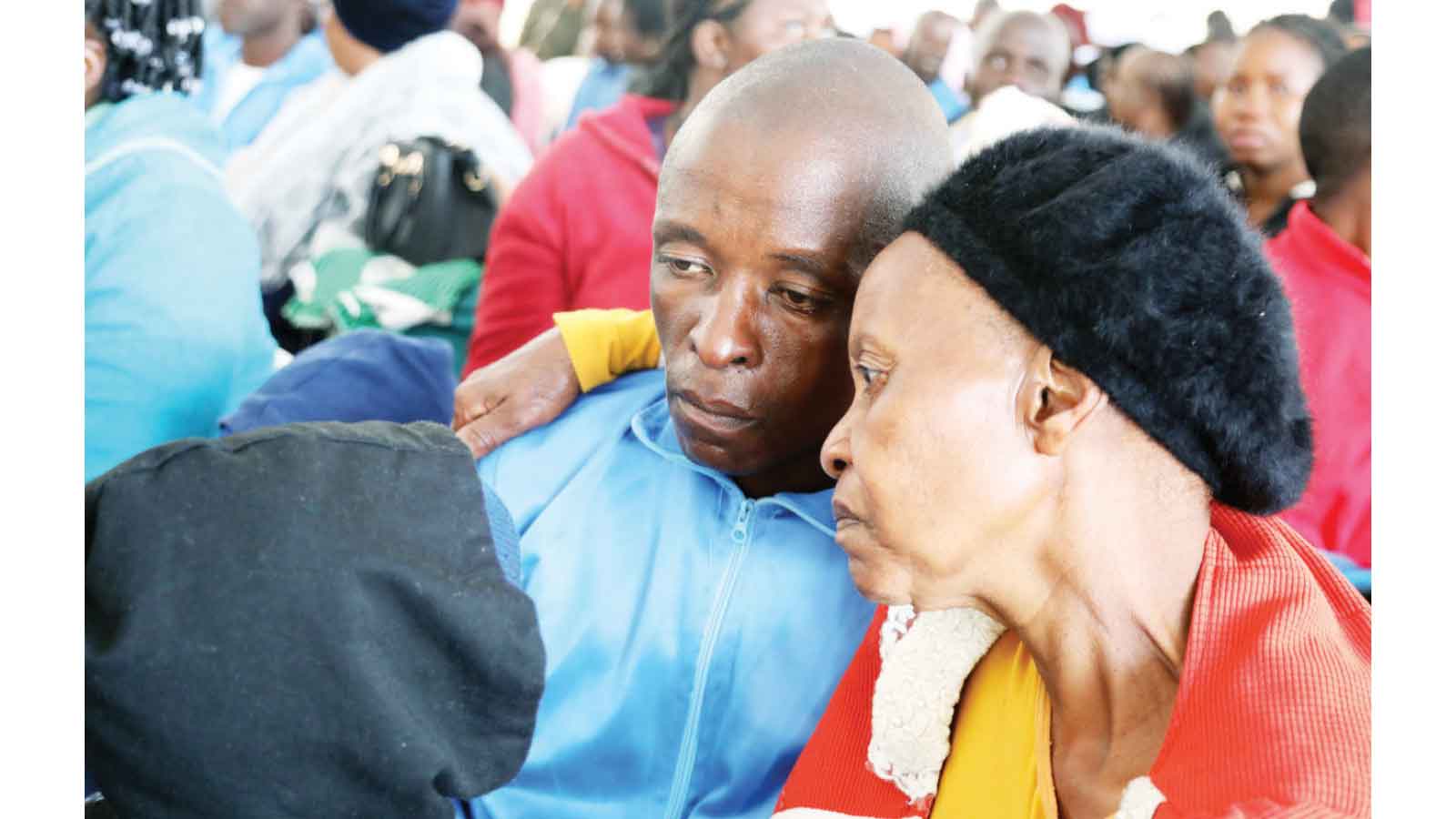
What once arrived in despair was now in dignity, as the eighth intake of patients at the Angel of Hope Drug Rehabilitation Centre marked a deeply emotional family reunion that reflected visible recovery, reconciliation, and renewed hope.
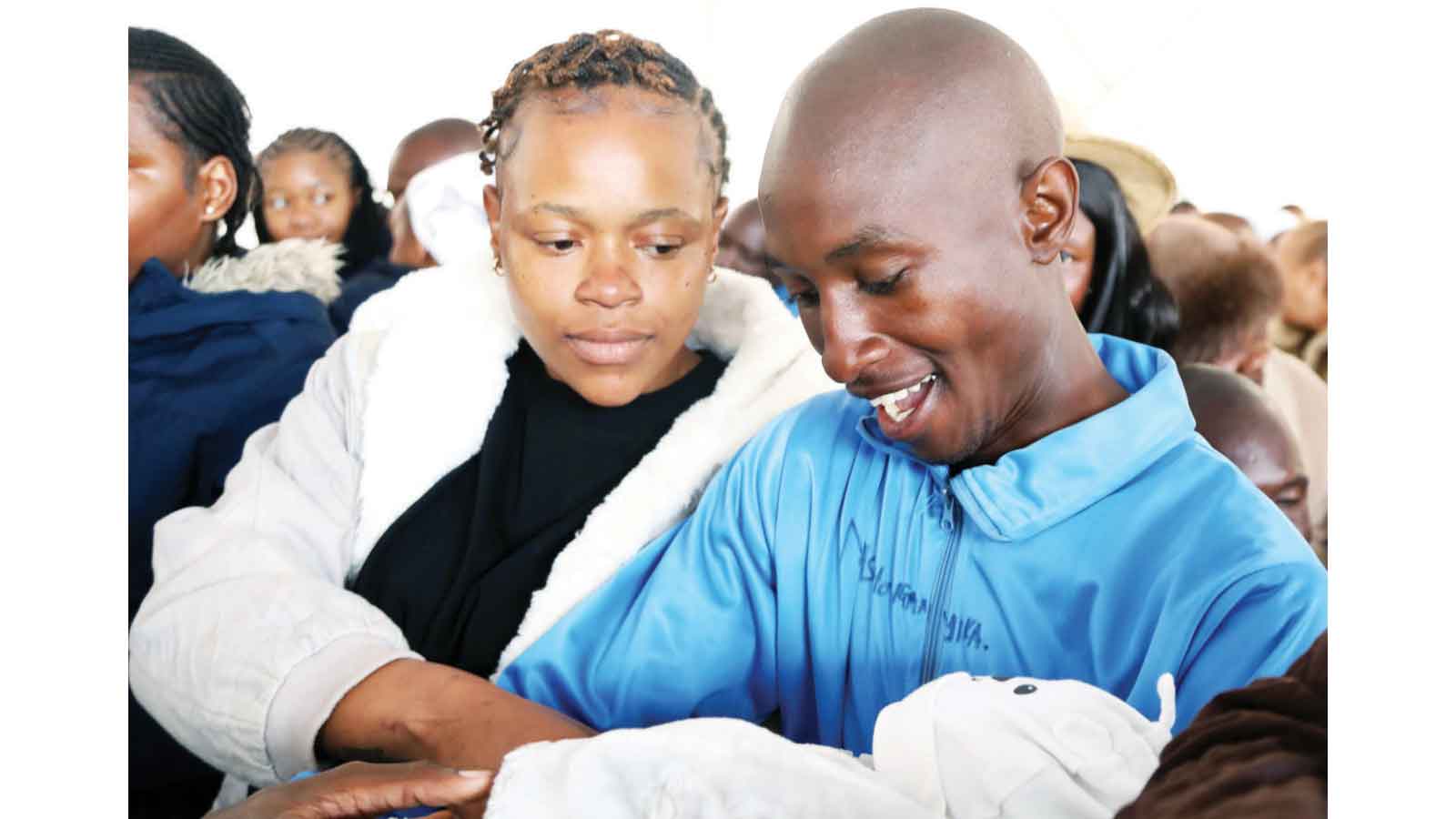
Inside the Mbare facility, scenes of joy unfolded as parents, guardians and spouses came face-to-face with loved ones they had nearly lost to substance abuse.
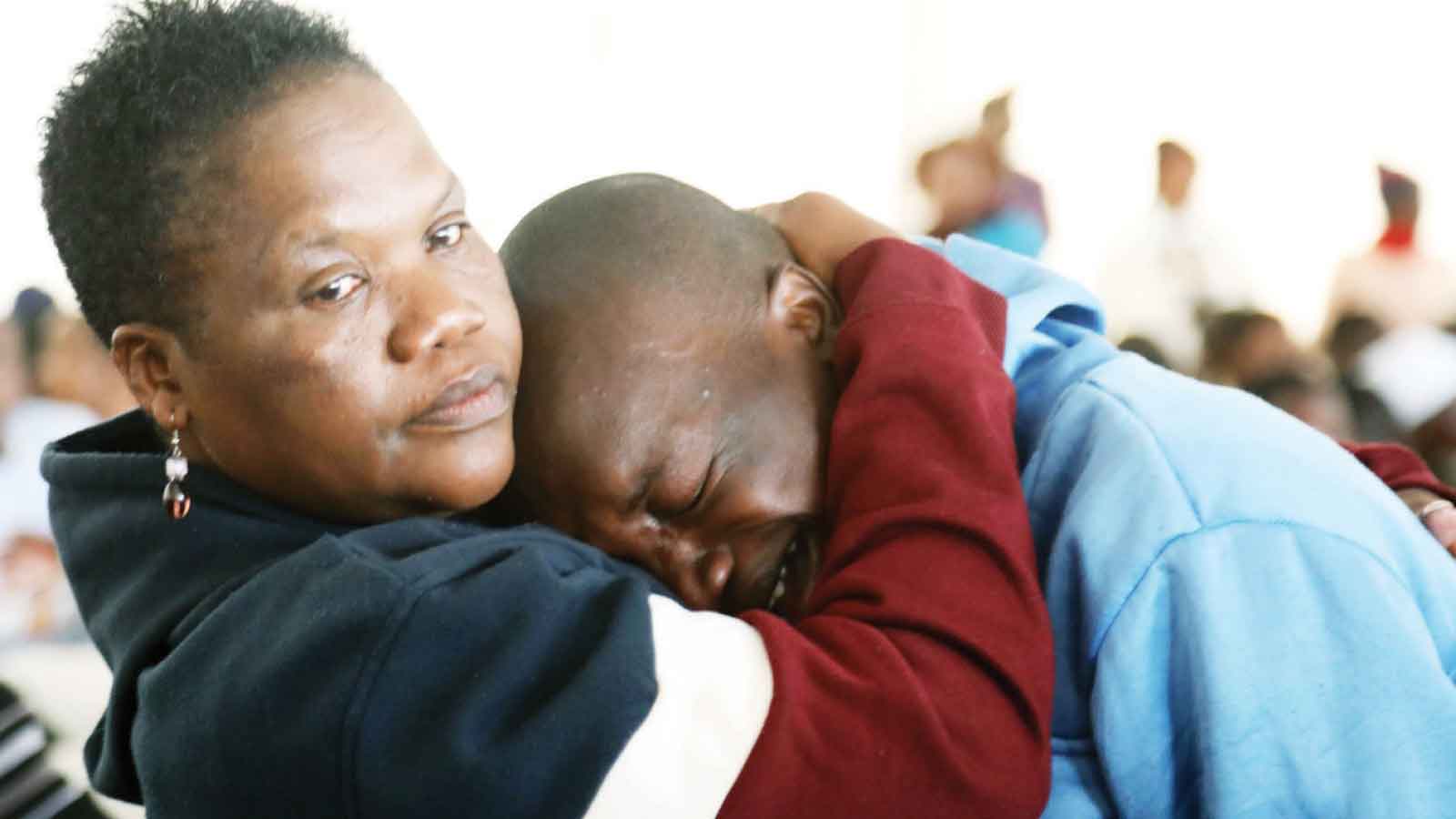
The gathering, though structured and calm at the start, quickly transformed into a powerful emotional moment filled with tears, embraces, prayers and heartfelt apologies.
Many families said the difference in their children was almost unrecognisable compared to just weeks earlier, when they were admitted into the programme in distressed conditions.
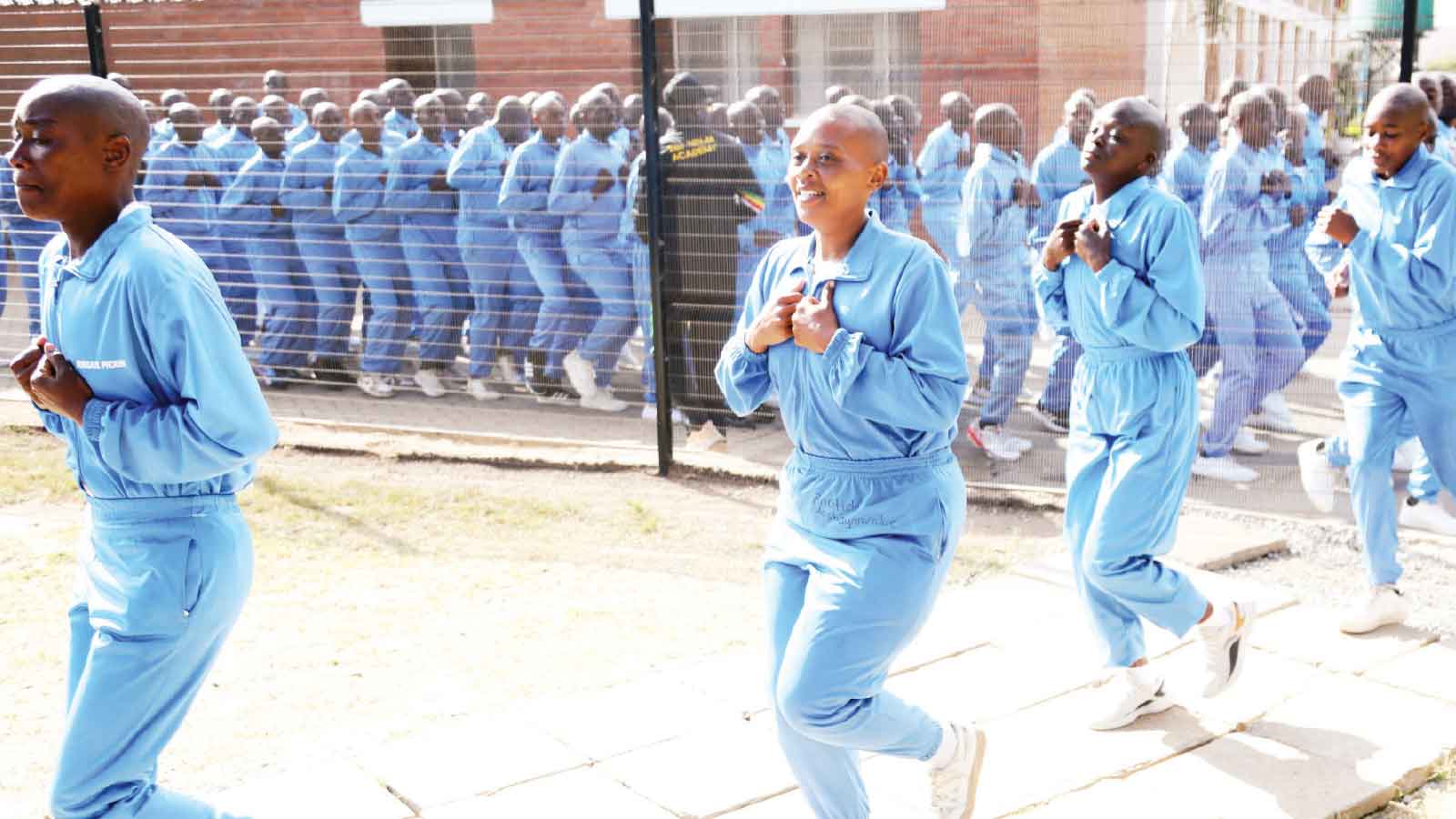
Patients who once struggled with addiction were now composed, gained appetite, healthier in appearance, and showed renewed discipline.
As families reconnected, patients knelt before their loved ones seeking forgiveness, a gesture that drew both tears and relief from parents who had endured years of emotional strain and instability at home.
In one of the most moving moments, a family enjoyed a birthday for their son, cutting the cake and enjoying their goodies.
One family also brought a saxophone for their child to test if indeed he had recovered, with the son playing it before the crowd, much to the delight of many.
The programme led by the First Lady, Dr Auxillia Mnangagwa, continues to focus not only on rehabilitation but also on rebuilding fractured family relationships.
Mother Zimbabwe urged parents and guardians to embrace and support their children with love, emphasising that genuine care, acceptance, and encouragement help transform and restore those who have undergone rehabilitation.
She encouraged families to look beyond physical appearances and circumstances, and instead recognise the worth, dignity, and potential inherent in every child.
The First Lady also interacted with each family, moving from one parent to another as she listened to their experiences and reflections on the changes they had observed in their children since they left them at the rehabilitation centre.
Medical personnel from the Ministry of Health and Child Care, together with professional counsellors, also engaged with parents and guardians, offering guidance, encouragement, and support as they shared their experiences and the progress made by their children on the path to recovery.
Parents and guardians expressed gratitude for the support their children received, sharing testimonies of remarkable behavioural changes, renewed hope, and a sense of purpose, while reaffirming the importance of continued family support in sustaining the progress achieved during rehabilitation.
They shared testimonies of behavioural change, saying aggression, neglect of hygiene, and destructive behaviour had given way to calmness, responsibility and improved communication.
Their emotional testimonies highlighted the profound impact of a rehabilitation programme that has transformed the lives of people battling drug and substance abuse while restoring hope to families that had all but given up.
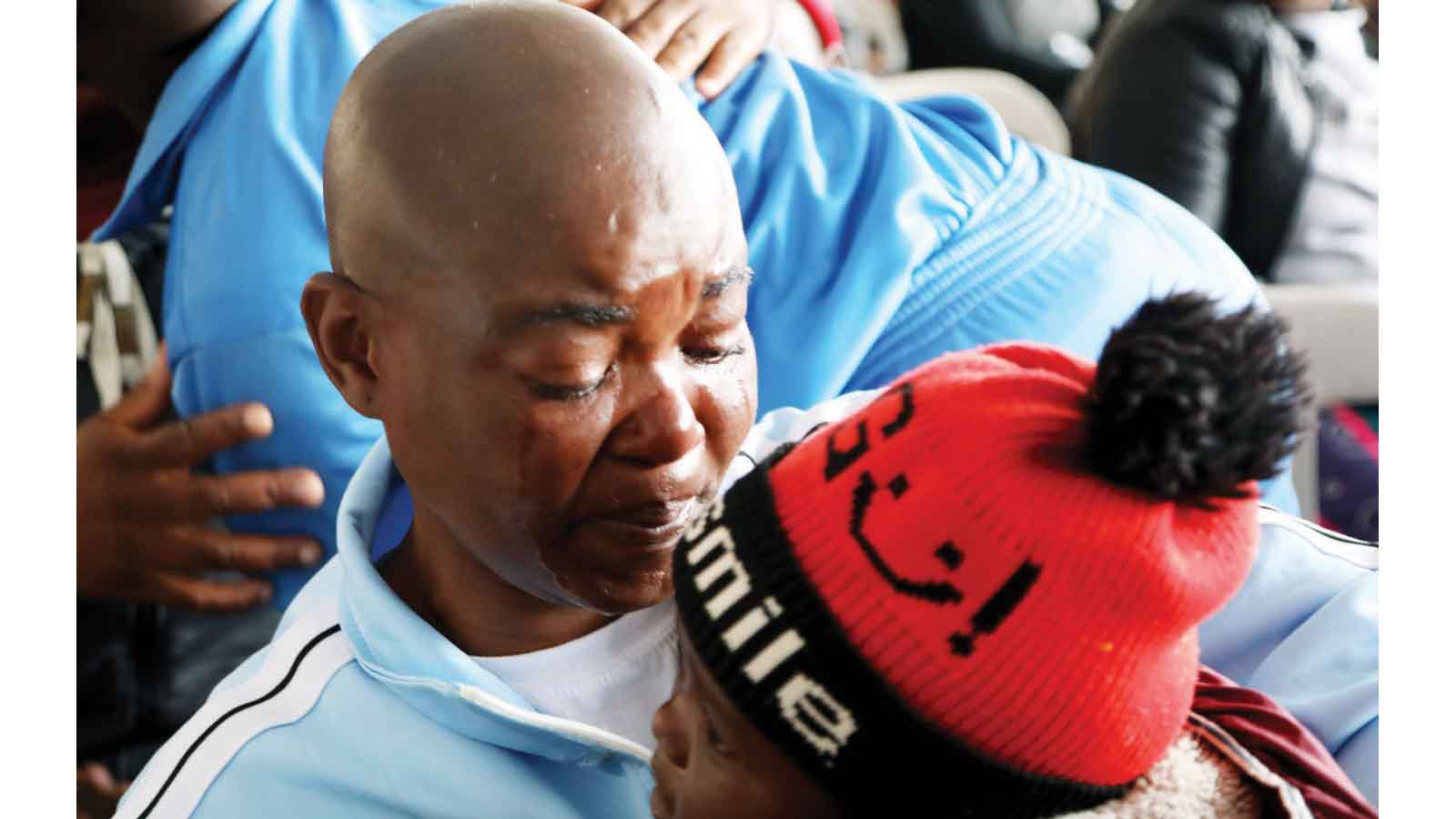
Pastor Eleckson Rutanhira, whose son participated in the programme, said the family had exhausted every avenue in their desperate search for change before the intervention.
“We prayed and fasted. We tried to rehabilitate him ourselves together with his mother, but nothing worked. Yet within three weeks at Angel of Hope Foundation, we witnessed a complete transformation,” he said.
We even brought him a saxophone as a test to see if he could still play, and he performed perfectly. I am overwhelmed with joy. Some situations require an angel of hope, and for us, that angel came through our First Lady.”
His son later took to the stage and played the saxophone before the crowd, drawing admiration and emotional applause from many in attendance.
Families also shared heartbreaking accounts of the condition in which some beneficiaries arrived at the rehabilitation centre.
One mother recalled how her son had arrived in chains, dirty, disoriented and seemingly beyond help.
“He looked like a completely different person when he came here. Today, he is transformed,” she said, urging parents to instil discipline and strong values in their children from an early age.
Mr Maxwell Sinoa described the emotional burden substance abuse had placed on his family.
“We named him Tapuwa, but he had reached a point where he seemed to be the parent while we became the children,” he said.
“People say men do not cry, but I cried many times because of the situation. Seeing him today has brought peace to my heart.”
Nathan, who attended the event to support his niece, praised the compassion shown by Dr Mnangagwa.
“It pained me to see my mother crying because of what my brother had become. Today, after witnessing his remarkable transformation, those tears have turned into tears of joy,” he said.
“In Zimbabwe, we have never seen a mother who walks among people one by one, listening to their problems and concerns. Our First Lady is God-sent.”
Another guardian recounted how her son, who had previously been disrespectful towards her, had undergone a complete change in attitude.
“I heard him apologising today and saying, ‘Sorry, Mother, I wronged you,’” she said, struggling to contain her emotions.
One patient from Angel of Hope Rehabilitation Intake Five said the programme had helped her reconnect with her family.
“I now have time with my children again,” she said.
“To those who are still on the journey, keep going and complete the programme. It can change your life.”
Another family member said a former municipal police officer had regained his health, confidence and physical appearance after undergoing rehabilitation.
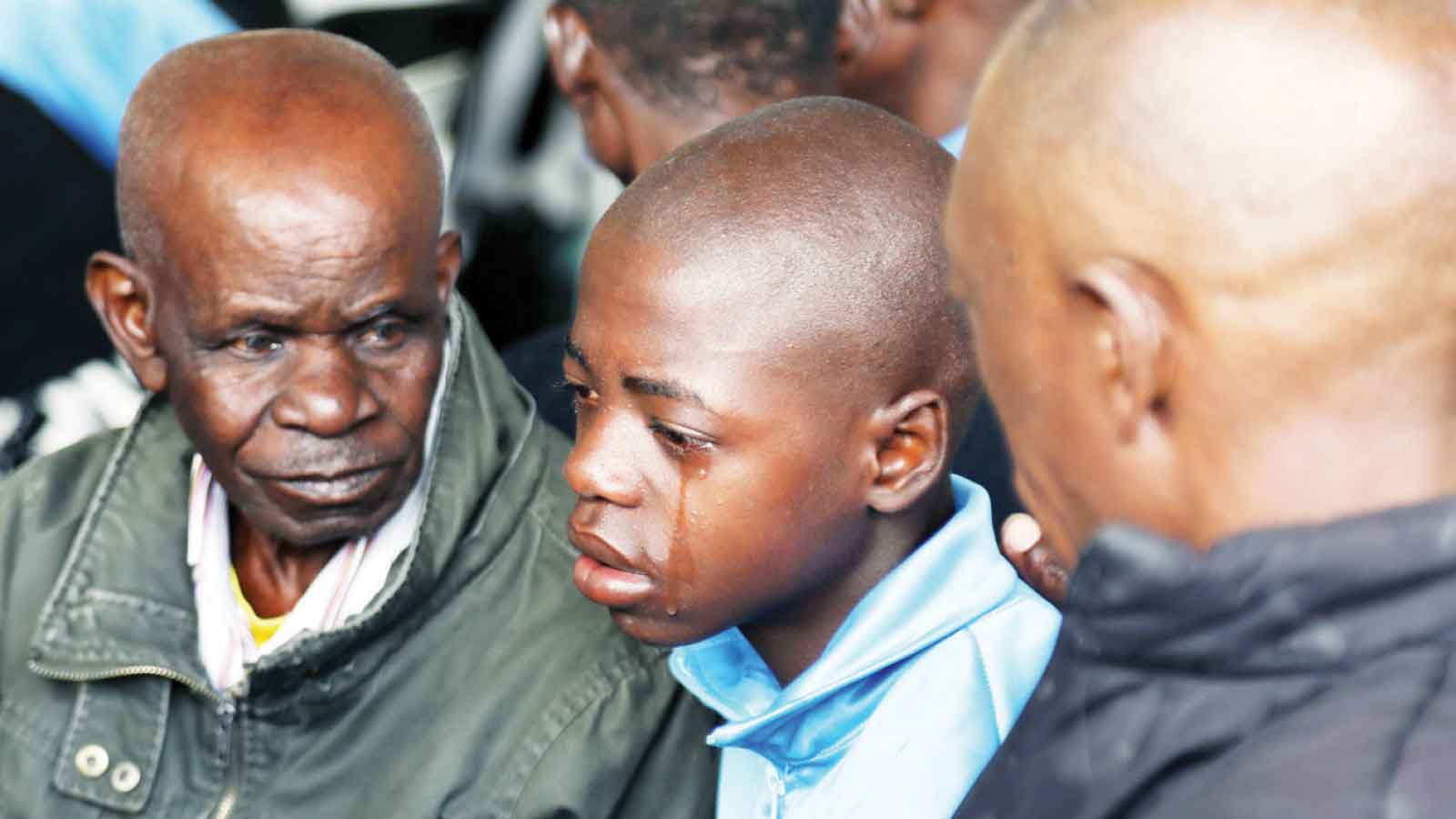
Mrs Nzuma said her son became difficult to control after enrolling at a local university and would frequently disappear from home without explanation.
“He would come and go whenever he wanted, and we never knew where he was. On lucky days, he would return around midnight, knocking on the door. By the following morning, he would have disappeared again before we could even speak to him,” she said.
“Today, we can only thank God that he is back on the right path.”
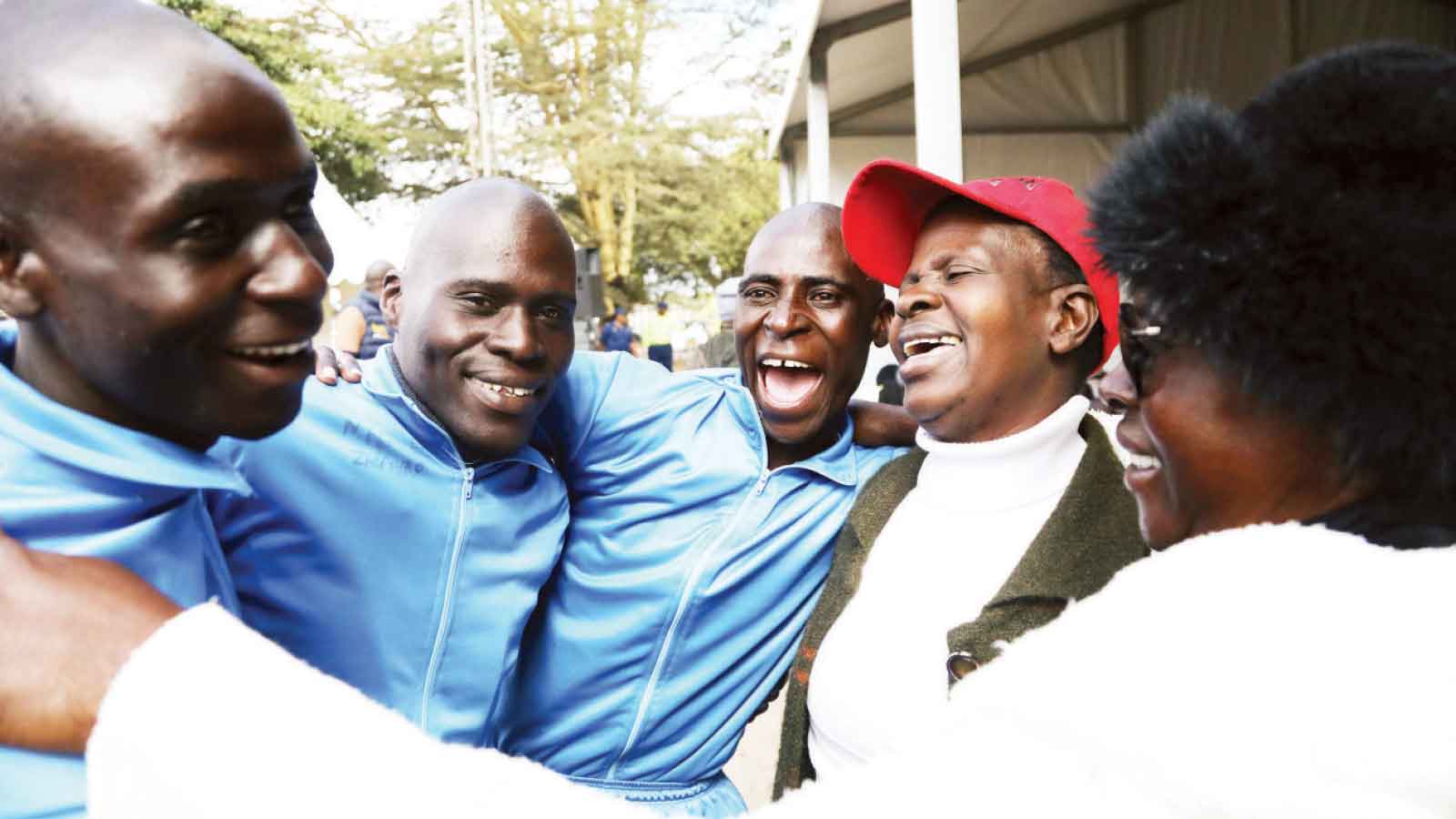
Another clergyman, Justice Nyamweda, said he attended the event because of the remarkable transformation he had witnessed in his younger brother.
“I saw a person whose character had changed so much that I could hardly recognise him,” he said. “There was a time when we had lost hope, but God raised Amai, who came as an angel of hope.”
Pastor Nyamweda said many families had reached a point where they no longer believed their loved ones could recover, but the programme had renewed their faith and restored hope.
The testimonies underscored the devastating impact of drug and substance abuse on families, while highlighting the critical role rehabilitation programmes can play in restoring dignity, rebuilding relationships and giving individuals a second chance at life.
As the day drew to a close, families departed the centre with renewed optimism, while patients returned to continue their rehabilitation journey, carrying with them messages of forgiveness, encouragement, and responsibility.
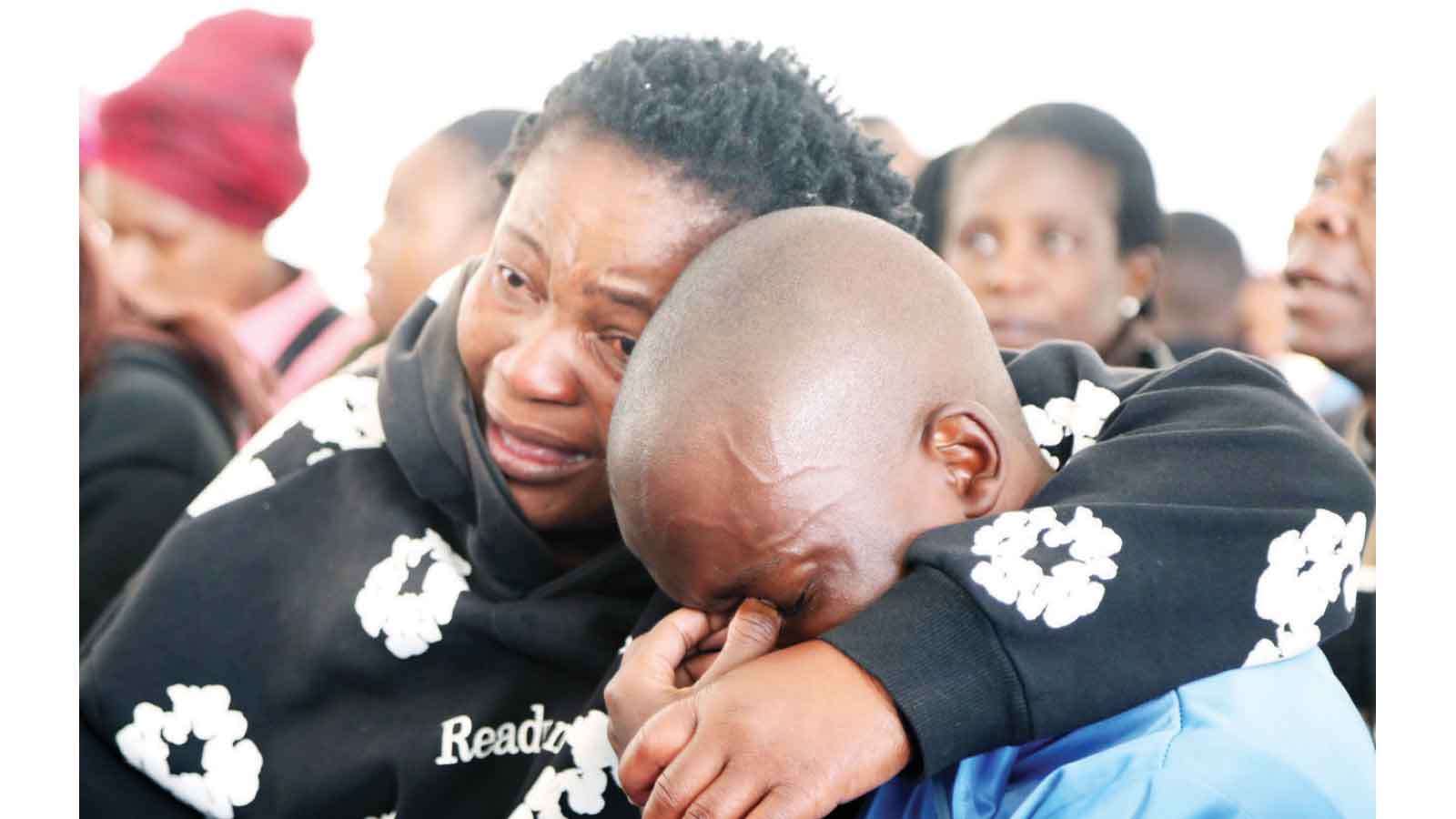
The intake 8 reunion ultimately stood as a testament to recovery in progress, highlighting that while addiction fractures families, structured rehabilitation and sustained support can rebuild what was once thought lost.
Encouraged by the centre’s positive impact and life-changing work, provinces across the country are seeking Dr Mnangagwa’s assistance to establish similar rehabilitation facilities in their respective areas.
Masvingo has taken the lead after mobilising the required resources, under the guidance of the First Lady, to expand access to rehabilitation services and provide more families affected by drug and substance abuse with opportunities for recovery and a fresh start.