

 Online Reporter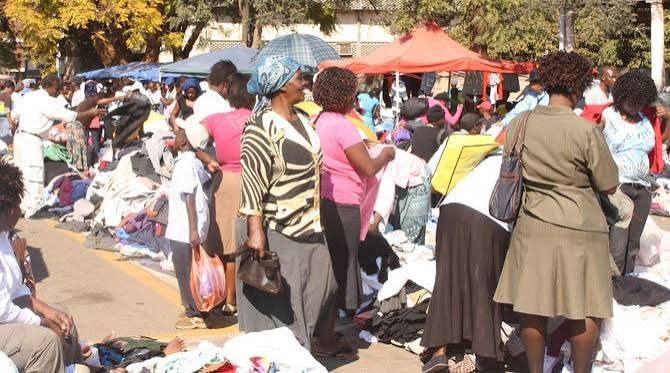
John Mupa
THERE is an adage that says your financial literacy is in your garbage, meaning what one nation discards, another turns into survival. Nowhere is this more evident than in the thriving trade of second-hand clothing, where garments cast aside in wealthier countries often find a second life in communities thousands of kilometres away.
In many parts of Africa, and particularly in Zimbabwe, used clothing has become much more than an alternative shopping option. It has evolved into a key source of affordable fashion, employment and entrepreneurship. What begins as a donation in Europe, North America or elsewhere often ends up as a valuable commodity in local markets, helping families earn a living and consumers dress well at a fraction of the price of new clothing.
Across Zimbabwe, this reality unfolds every day. From the bustling streets of Bulawayo and Harare to growth points and small towns across the country, second-hand clothing has become deeply embedded in daily life. Known locally as mabhero, ibhele or khothama, the trade in used garments has grown into an industry that touches almost every community and every social class.
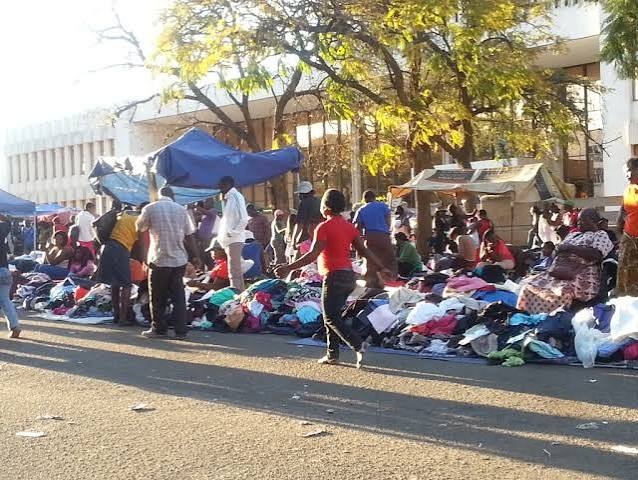
What was once viewed as clothing for low-income earners is now attracting a much broader customer base. The market has expanded beyond makeshift roadside stalls to include neatly organised shops and boutiques that specialise in carefully selected imported garments. In many cases, these stores rival conventional clothing retailers, offering customers fashionable and high-quality items at affordable prices.
The growing popularity of second-hand clothing, however, raises important questions. Where do these garments originate? Why have they become so popular among Zimbabwean consumers? And what does their increasing presence say about changing attitudes towards fashion, culture and identity?
Most of the clothes sold in Zimbabwe’s second-hand markets are believed to come from developed countries, where rapidly changing fashion trends and seasonal shopping habits encourage people to frequently replace their wardrobes. In many cases, clothing is donated while still in good condition, long before it reaches the end of its usable life.
These donated garments are collected, sorted and compressed into large bales before being shipped across continents. Eventually, they find their way to markets and shops throughout Zimbabwe, where traders eagerly open the bales in search of items that can attract buyers.
For both vendors and customers, the process carries an element of excitement and unpredictability.
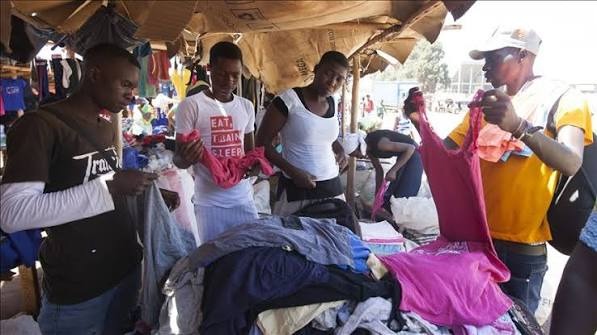
“It’s like opening a suitcase from another world,” says one Bulawayo vendor. “Sometimes you find things people here would never afford if they were new.”
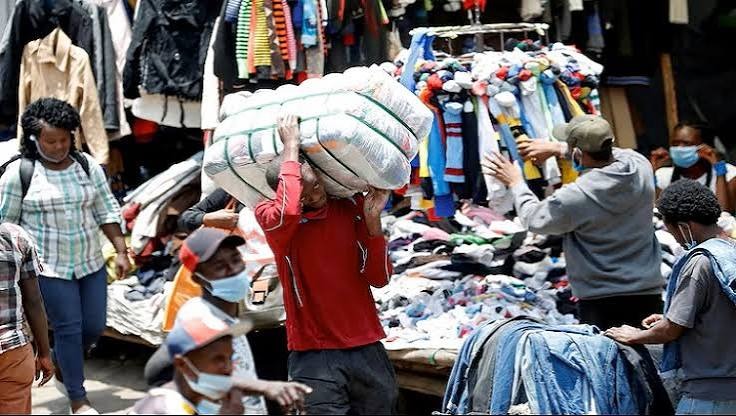
His observation speaks directly to the reality of the trade. Branded jackets, designer shirts, quality denim and fashionable footwear that would otherwise be beyond the reach of many ordinary Zimbabweans become readily available at a fraction of their original retail prices.
For shoppers facing economic pressures and rising living costs, the appeal is easy to understand. A customer can often purchase a high-quality imported garment for less than the cost of a locally produced equivalent.
As a result, second-hand clothing has become an attractive option not only for those with limited incomes, but also for consumers who simply want better value for money.
Yet the success of the industry comes at a time when the meaning of dressing is undergoing a noticeable transformation in Zimbabwean society.
Traditionally, clothing carried significant social and cultural importance. What a person wore often reflected not only their personal style but also their values, status and respect for others. Special occasions such as church services, weddings, funerals and workplace functions demanded attire that reflected dignity and seriousness.
For many years, carefully tailored outfits were highly prized. Local seamstresses and tailors played an important role in communities, producing garments specifically designed for customers’ tastes and requirements.
Wearing a custom-made outfit was often regarded as a symbol of pride, confidence and identity.
The clothing itself also carried cultural significance. Traditional fabrics, local designs and skilled craftsmanship helped to preserve a distinct sense of Zimbabwean identity while supporting local industries and creating employment.
Today, however, the landscape has changed considerably.
The availability of second-hand clothing has enabled people to maintain — and in some cases improve — their standard of dress without spending large amounts of money. A person who previously could only afford basic clothing may now own quality jackets, suits, shoes and branded garments sourced from imported bales.
As access to affordable fashion has expanded, the distinction between everyday clothing and special-occasion attire has become less pronounced. It is increasingly common to see people wearing stylish outfits not just at important events, but during routine daily activities.
Perhaps the clearest sign of this shift is the rise of what many now call Khothama Boutiques — second-hand clothing stores that offer carefully selected garments displayed in an organised retail setting.
These boutiques are changing long-held perceptions about used clothing. No longer viewed as a last resort for the financially disadvantaged, they have become popular destinations for a diverse range of customers.
In Bulawayo, Harare and other urban centres, it is not unusual to find middle-class consumers and corporate professionals browsing racks of imported clothing in search of quality bargains.
“People want quality,” one boutique owner explains. “And if they can get it cheaper, why not?”
His remarks reflect a broader shift in consumer behaviour. For many shoppers, the decision to buy second-hand clothing is not necessarily driven by poverty. Rather, it is a practical choice based on value, quality and affordability.
In some cases, second-hand garments are even perceived as superior to new products available on the local market. Customers often cite durability, fabric quality and brand reputation as reasons for preferring imported used clothing.
While supporters of the trade view this trend as sensible and economically rational, critics see it differently.
Some argue that Zimbabwe’s growing dependence on imported used clothing may be about more than affordability. They believe it could signal a gradual decline in support for local manufacturing, tailoring and traditional forms of dress.
“Are we choosing convenience over culture?” said a Bulawayo tailor. “Have we forgotten the pride of wearing something made by our own hands?”
His concerns are shared by others who fear that foreign brands, regardless of their condition, now command greater admiration than locally produced garments created by Zimbabwean artisans.
For these critics, the issue extends beyond fashion. It touches on questions of cultural identity, self-reliance and economic development. They worry that as consumers become increasingly attracted to imported clothing, local knowledge and craftsmanship could slowly disappear.
Supporters of second-hand clothing, however, reject the idea that buying imported garments automatically translates into cultural decline.
Many argue that economic realities leave consumers with little choice.
“It’s not about losing culture,” says one young professional.
“It’s about surviving and still looking presentable.”
This perspective resonates with many Zimbabweans who face the challenge of balancing limited incomes against the need to maintain a respectable appearance in workplaces, schools, churches and social settings.
For them, second-hand clothing represents adaptation rather than surrender. It is a practical response to economic circumstances, allowing individuals to access quality clothing while managing household budgets.
What remains undeniable is the impact that this growing trade has had on Zimbabwe’s textile and garment industries.
Local manufacturers continue to face significant challenges competing against imported used clothing that is often sold at extremely low prices. While factories must contend with production costs, utility charges and raw material expenses, traders importing second-hand clothes can often offer garments at prices that local businesses struggle to match.
The consequences have been felt throughout the value chain.
Small tailoring businesses, once sustained by steady demand for custom-made clothing, now find themselves working harder to attract customers. Some have adapted by focusing on alterations and repairs, while others have diversified into school uniforms, corporate wear and specialised garments.
For many artisans, however, the issue is about more than income.
“When people stop wearing local designs,” one tailor laments, “we lose more than business. We lose identity.”
His words highlight the deeper tension surrounding the second-hand clothing trade — a tension between affordability and heritage, survival and self-expression, global influences and local traditions.
This struggle is visible in countless everyday scenes.
A young executive wearing a thrifted blazer walks confidently past a tailoring shop with few customers. A congregation gathers for Sunday service dressed in a mixture of imported suits, traditional garments and locally tailored outfits. A market vendor carefully arranges second-hand jackets on one side of a stall while displaying locally made fabrics on the other.
Taken together, these snapshots tell the story of a country navigating change and attempting to balance competing priorities.
Zimbabweans are not merely choosing what to wear. They are making decisions shaped by economic realities, cultural values and personal aspirations. Every purchase reflects a negotiation between affordability, identity and practicality.
There is little doubt that second-hand clothing plays an important role in modern Zimbabwe. It creates livelihoods, supports thousands of traders, expands access to affordable fashion and allows people to dress with confidence regardless of their financial circumstances.
At the same time, it raises important questions about cultural preservation, industrial growth and the future of local craftsmanship. Should the country embrace second-hand clothing as an inevitable part of a globalised economy, or should greater efforts be made to strengthen local industries and encourage home-grown fashion?
The answer may lie somewhere in between.
Rather than viewing second-hand clothing and local production as opposing forces, there may be room for both to coexist. Supporting local designers, tailors and manufacturers while recognising the practical benefits of affordable imported clothing could offer a more balanced path forward.
Because in the end, clothing is about far more than fabric stitched together. It tells a story about who we are, what we value and how we see ourselves. And as Zimbabwe continues to evolve, the clothes hanging in our wardrobes may reveal just as much about the nation’s future as they do about its present.



The only way to identify a person with no dignity and respect for oneself is by looking at the clothes one wears. Once one believes that a piece of clothing once worn by someone else whom one doesn’t even know is worth wearing, then one has lost all dignity and self respect and self worth. Government must ban these rags from getting into the country. Wearing clothes from these so called bales is the lowest a human being can ever sink. We will never develop as long as we are satisfied with other people’s rejects. It’s like enjoying someone else’s vomit as a sumptuous meal.