Online Reporter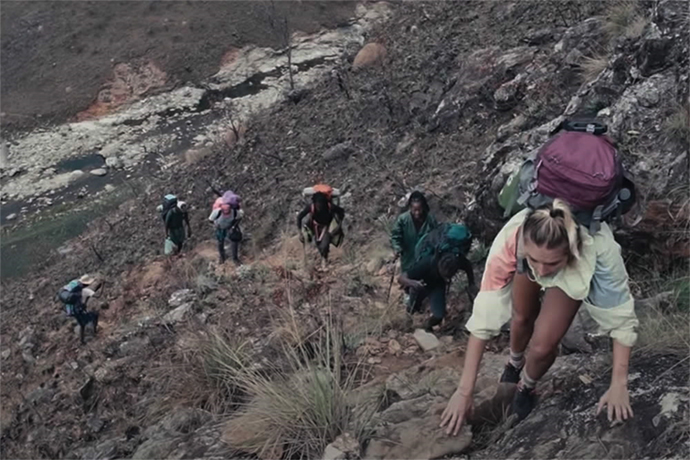
Liberty Dube
Tourism Correspondent
AS the first rays of the morning sun kiss the rugged peaks of Chimanimani Mountains, hikers tighten their backpacks and begin their journey along mist-covered trails.
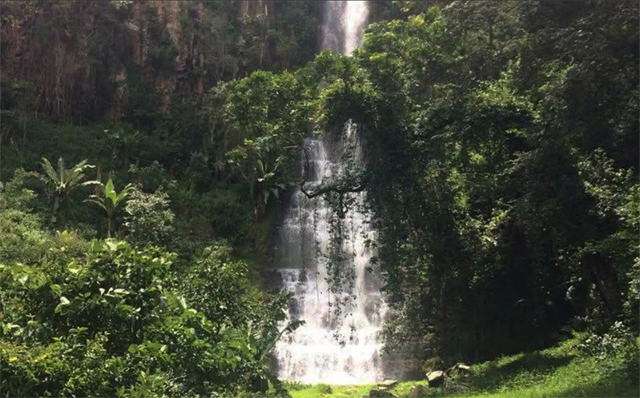
Below, the roar of Bridal Veil Falls cuts through the silence, while laughter fills the air at Tessa’s Pool, where families gather to enjoy the crystal-clear waters.
It is a scene of renewal. Seven years ago, this tranquil landscape told a different story.
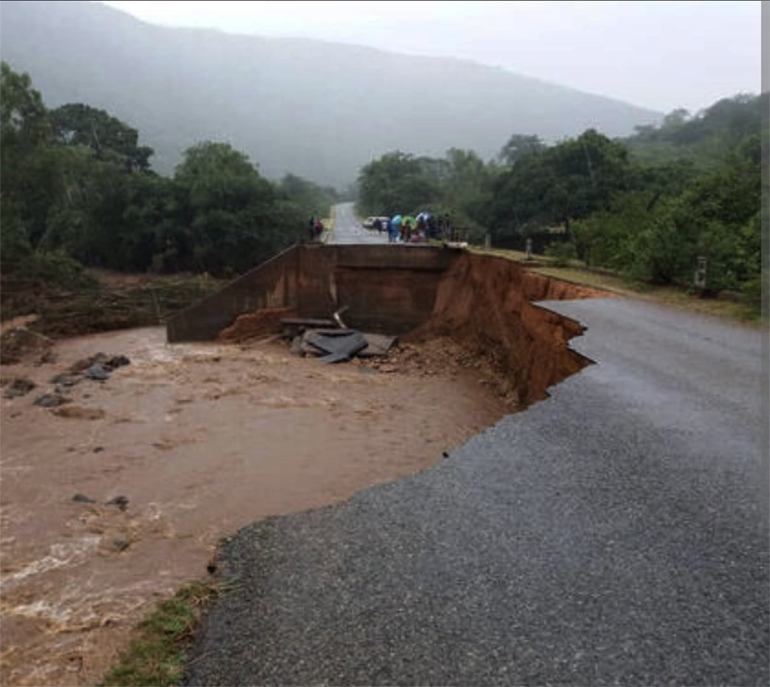
In March 2019, Cyclone Idai tore through Chimanimani, leaving behind death, destruction and heartbreak. Roads disappeared beneath landslides, bridges were swept away, lodges were destroyed and some of the district’s most treasured attractions became inaccessible.
The same mountains that today attract adventure seekers once became symbols of devastation. Among the businesses caught in the disaster was Mawenje Lodge.
At the height of the destruction, the lodge posted an emotional message on its Facebook page: “All our guests, and employees were moved to a safe place. It is unfortunate Cyclone Idai destroyed all our property. We are down, but not out. We will rise again. Pray for Chimanimani.”
Seven years later, those words have become a symbol of resilience.
Chimanimani’s tourism industry is rising from the ruins, supported by reconstruction efforts, private sector commitment and communities determined to restore one of Zimbabwe’s most spectacular destinations.
Post-Cyclone Idai rebuilding has seen damaged roads, bridges and tourism infrastructure restored to be more resilient. Attractions that were once inaccessible have reopened, allowing visitors to once again experience the district’s mountains, forests, waterfalls and cultural heritage.
In one of nature’s greatest paradoxes, Cyclone Idai also created new tourism opportunities. The force of the disaster reshaped parts of the landscape, carving new waterfalls and streams that have since attracted hikers, photographers and nature lovers.
Beyond the waterfalls, adventure tourism has also gained momentum, with Pork Pie Hill emerging as one of Chimanimani’s most exciting hiking experiences. The hill offers visitors spectacular sunset views over the surrounding landscape, while improved accessibility along the roads leading to the site has made it easier for adventure seekers to explore the area.
What was once destruction has become part of Chimanimani’s evolving tourism story.
The district’s iconic attractions, including Bridal Veil Falls, Tessa’s Pool, Chimanimani National Park, Eland Sanctuary, Vimba Wilderness, Hanoni Falls, Moovah Park and Peterhouse Cave, are once again welcoming visitors.
The renewed confidence in Chimanimani’s tourism potential was also reflected when tourism players from the district showcased their products and services at the Sanganai/Hlanganani/Kumbanayi World Tourism Expo, which was hosted in Manicaland for the first time last year.
The platform provided an opportunity for operators from Chimanimani to market their attractions, accommodation facilities and experiences to local and international buyers, signalling the district’s return to the national tourism conversation.
For many travellers, a visit to Chimanimani is no longer just about sightseeing — it is an opportunity to witness a remarkable story of recovery.
Ms Wadzanai Chikondori recently visited the area with friends and was impressed by the transformation.
“I am excited to be visiting Chimanimani with my friends after Cyclone Idai, which we understood was very devastating. Bridal Veil is now looking good again and the roads that led us here were not bad. We also visited Tessa’s Pool and had some drinks while enjoying the picturesque flowing water,” she said.
Tourism enthusiast, Mr Lloyd Makonya recently embarked on a hiking trail and treasure hunt adventure with his family, describing the experience as unforgettable.
“Standing on the mountain peaks and looking across the valleys reminded us just how beautiful Chimanimani truly is. Hiking here with my family was challenging, exciting and deeply rewarding. Every trail revealed something different, from cascading waterfalls to breath-taking viewpoints. It was an experience that brought us closer as a family and reminded us of Zimbabwe’s natural beauty,” he said.
The reopening of Chimanimani National Park has also renewed interest among domestic travellers.
For Ngangu resident, Mr Jones Sango, however, the recovery carries a deeper meaning.
He remembers the devastation vividly and never imagined the district would regain its tourism appeal.
“When Cyclone Idai struck, I honestly never imagined Chimanimani would recover to become a place that attracts visitors again. Everywhere you looked there was destruction and sadness. Every time I remember those days, it becomes emotional,” he said.
“Today, when I see tourists coming back, I feel hopeful.
‘‘The town looks beautiful again. I survive through farming madhumbe (yams), which I sell at Biriiri Business Centre. Visitors buy from us and that helps support my family. Tourism is no longer just about people coming to see the mountains — it is helping rebuild our lives,” said Mr Sango.
Mr Sango’s story reflects thousands of residents whose livelihoods are connected to the return of tourism.
For local guides, lodge workers, artisans, farmers and tour operators, the return of visitors represents more than business recovery. It represents the restoration of livelihoods built around Chimanimani’s natural heritage.
Beyond hotels and hiking trails, recovery has extended into agriculture, conservation and community development. Organic coffee, macadamia nuts and pineapples are increasingly being promoted alongside tourism experiences, allowing visitors to discover Chimanimani’s wider economic potential. Infrastructure rehabilitation has also played a key role in restoring confidence.
The once-damaged Chibuwe-Kondo Road is now trafficable, while irrigation schemes, clinics, community gardens, youth training projects and other livelihood programmes have been restored. These developments have improved accessibility while helping communities rebuild their lives.
The tourism recovery is also reflected in national performance figures.
According to the Zimbabwe Tourism Authority’s 2026 Tourism Performance Report Highlights, room occupancy in Manicaland increased from 27 percent to 42 percent, with Chimanimani contributing significantly to the province’s resurgence.
Nationally, international arrivals increased by 11 percent in the first quarter of 2026, rising from 347 555 in 2025 to 384 561 visitors.
Tourism revenue grew by 14 percent to US$251 million, while domestic tourism increased from 1, 94 million trips to 2, 62 million.
Despite the recovery, challenges remain.
Climate change continues to threaten mountain destinations through extreme weather events, highlighting the need for resilient infrastructure, conservation efforts and continued investment in tourism facilities.
Operators are also calling for increased destination marketing, improved accommodation capacity and support for community-based tourism initiatives. Yet Chimanimani’s greatest attraction today may not only be its mountains, waterfalls or forests. It is its story of communities that refused to surrender and businesses that chose hope over despair.
As the sun begins to disappear behind the Chimanimani Mountains, hikers who started their journey at dawn make their way back, carrying memories of breath-taking views and unforgettable experiences.
Some stop at Biriiri Business Centre to buy fresh madhumbe from local farmers before heading home.
For Mr Sango and many others, every visitor represents more than tourism — it represents recovery, opportunity and a future rebuilt beyond the storm.