Online Reporter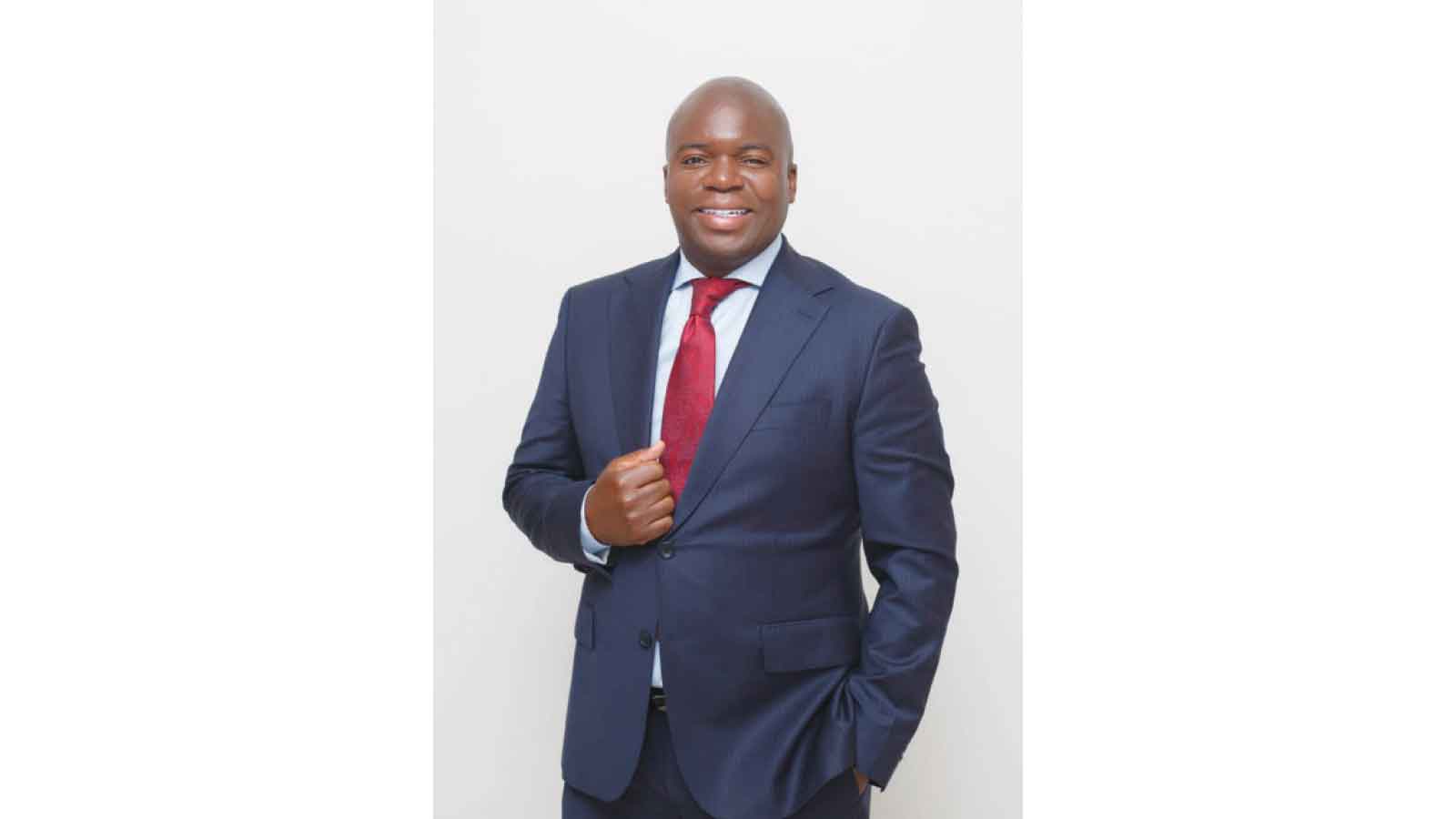
Blessings Chidakwa-Senior Reporter
TO many people, a dumpsite marks the end of a story.
To Dr Dilesh Nguwaya, it is where a new one begins.
Where others saw mountains of rotting garbage, toxic smoke and unbearable stench, he saw opportunity.
Where many drove past holding their noses, he imagined children playing football, families sharing meals at restaurants, green lawns replacing blackened earth and waste generating clean energy.
It is this uncommon ability to see potential where others saw decay that has earned him national recognition.
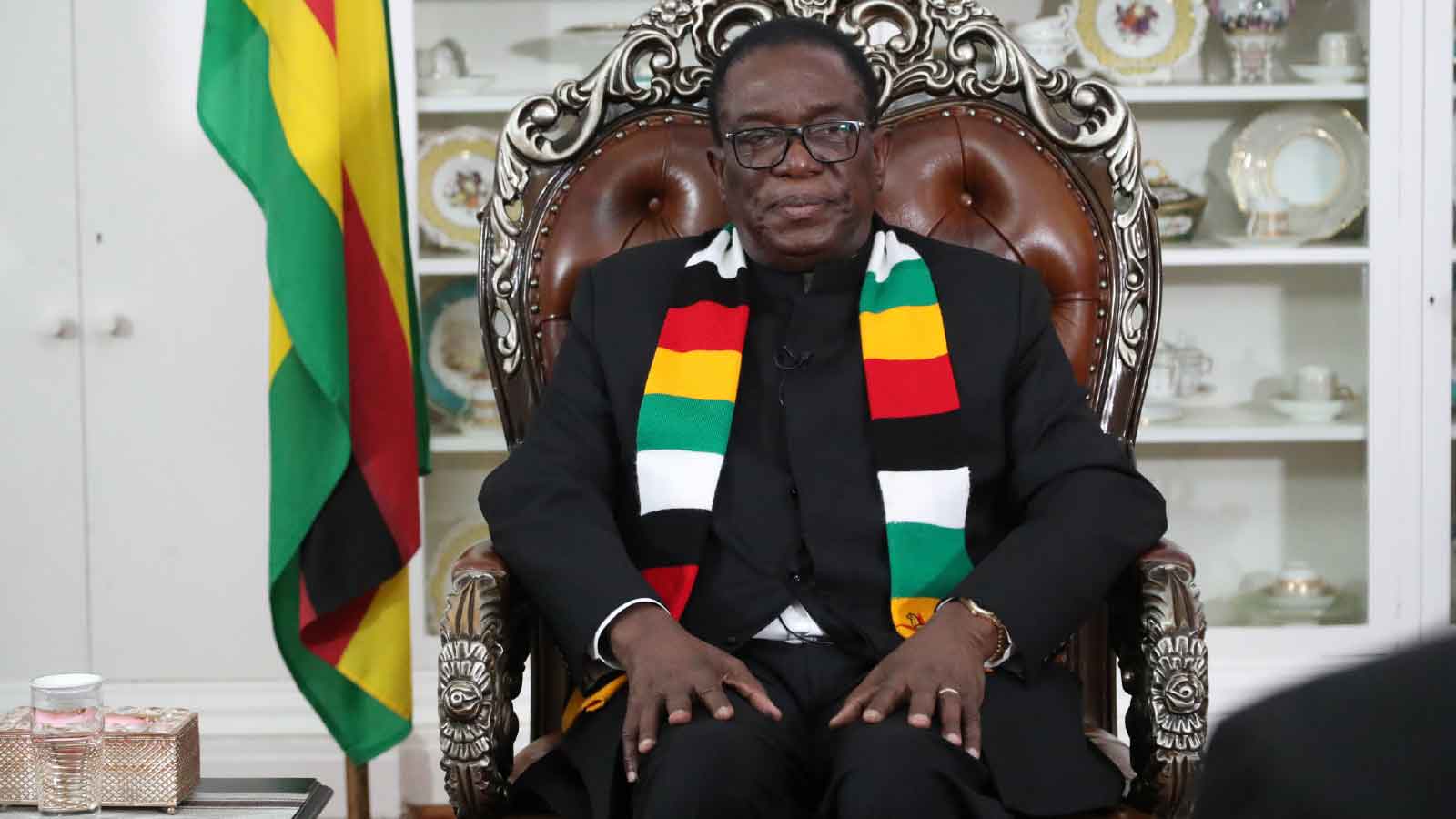
President Mnangagwa has approved the appointment of Geo Pomona Waste Management chief executive and executive chairman Dr Dilesh Nguwaya as his Special Advisor on Waste Management and Environmental Sustainability.
The appointment is expected to accelerate Zimbabwe’s transition towards cleaner cities and a greener economy, while positioning Dr Nguwaya to provide strategic guidance to the Presidency on critical environmental issues as the country grapples with mounting waste management challenges driven by rapid urbanisation and population growth.
For those who have followed his work over the years, the appointment comes as little surprise.
Long before waste management became a national conversation, Dr Nguwaya had already demonstrated that rubbish could be transformed into national assets.
The story of the once-infamous Pomona dumpsite illustrates this transformation better than words ever could.
For decades, Pomona symbolised everything that was wrong with urban waste disposal.
Thick smoke from burning refuse regularly engulfed nearby suburbs.
Swarms of flies, unbearable odours, contaminated runoff and heaps of rotting waste became part of daily life for surrounding communities. Residents endured respiratory illnesses, environmental pollution and a constant assault on their quality of life.
Few imagined that the notorious dumpsite could one day become a model of modern waste management.
Yet, under Dr Nguwaya’s leadership, that vision begun to take shape.
The coming of Geo Pomona Waste Management brought a completely different approach to waste management.
Beyond processing waste, the facility embraced environmental restoration and recreation.
Visitors are now greeted by landscaped surroundings, orderly infrastructure and an environment that bears little resemblance to the dumpsite of old.
Football pitches, basketball and tennis courts, changing rooms and a restaurant, have challenged long-held perceptions that waste facilities could never become places where families gather and communities thrive.
It was a vision many dismissed as unrealistic.
Today, it stands as evidence that environmental rehabilitation is possible when vision is matched by execution.
The philosophy extends beyond Pomona.
Zimbabwe’s former Golden Quarry dumpsite has also undergone significant transformation and now forms part of the Liberation City, home to the Museum of African Liberation, commercial developments, hospitality facilities and recreational spaces.
Land once associated with waste is steadily being reclaimed for productive national use.
These projects have demonstrated a simple but powerful principle that waste is not merely something to be discarded, but a resource capable of generating economic activity, creating jobs and restoring degraded environments.
Similar success stories have emerged elsewhere on the continent.
In Kenya, the once-polluted Kibarani dumpsite in Mombasa was rehabilitated into an ecological park, reinforcing the growing global shift towards sustainable waste management and environmental regeneration.
The lesson is clear.
Modern waste management is no longer simply about collecting refuse.
It is about protecting public health, reducing pollution, generating clean energy, promoting recycling, restoring ecosystems and creating new economic opportunities.
As Zimbabwe continues to urbanise, the volume of waste generated by cities and towns will continue to rise.
Without innovative solutions, illegal dumping, overflowing landfills and environmental degradation will place increasing pressure on local authorities and communities.
Dr Nguwaya’s appointment, therefore, comes at a pivotal moment.
His practical experience offers an opportunity to help shape policies that move Zimbabwe beyond traditional waste disposal methods towards a circular economy in which waste becomes a valuable resource.
In his remarks on the day of appointment, Dr Nguwaya said Harare will soon regain its sunshine status due to heightened cleaning of streets and collection of bins.
“We want to make sure we meet international standards in terms of waste management and my duty is now to focus on the whole nation, not on Geo Pomona alone,” he said.
“Geo Pomona has revolutionised waste management, dispatching refuse trucks around the City of Harare and sweepers at night bring the shine to the capital city.
“The President is very happy with the work that has been done by Geo Pomona so far.”
Dr Nguwaya rallied every citizen to play their part in building the country, in line with the President’s philosophy, “Nyika inovakwa nevene vayo/ Ilizwe lakhiwa ngabanikazi balo”.
On his part, he said he would put more effort into ensuring that Zimbabweans “live in a clean environment”.
His advisory role is expected to support Government efforts to build cleaner cities, strengthen environmental sustainability and advance the country’s Vision 2030 aspirations.
The challenge ahead extends beyond Harare.
Every province, city, town and growth point produces waste that, if properly managed, can create employment, attract investment, improve sanitation and contribute to economic development.
Replicating successful waste-to-resource models across the country could fundamentally reshape Zimbabwe’s environmental landscape.
For Dr Nguwaya, waste has never represented the end of a journey.
It has always represented the beginning of transformation.
Perhaps that is why his appointment resonates so strongly.
Not because he fell in love with waste itself, but because he saw value where others saw only rubbish, and possibility where others saw only problems.
In the end, the future of cleaner, greener cities may well depend on leaders who possess that rare ability to see opportunity where everyone else sees waste.