Online Reporter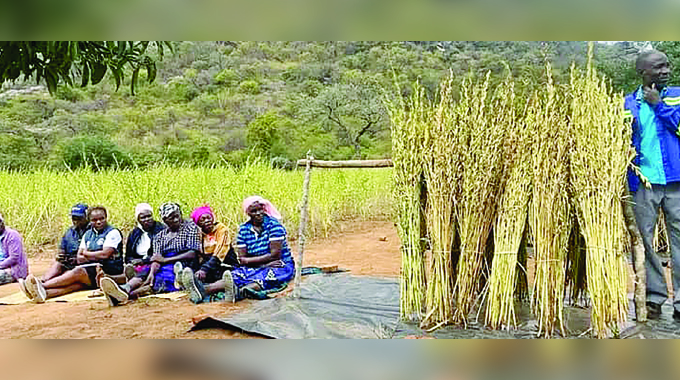
Jimmy Murwira, Correspondent
The story of Mwenezi’s sesame farmers is one that reflects the broader transformation unfolding in Zimbabwe under the visionary leadership of President Mnangagwa.
For decades, smallholder farmers in rural districts were locked in cycles of poverty, vulnerable to exploitation by middlemen and illegal cross-border traders.
Their sweat and toil often yielded little benefit beyond bare survival. Today, that picture is rapidly changing.
The establishment of a sesame value-addition processing plant in Rutenga has turned Mwenezi into a model of rural industrialisation, empowering local farmers, boosting national exports, and showing how agriculture can be a foundation for inclusive economic growth.
At the heart of this transformation is the simple but powerful idea of value addition.

In the past, sesame growers harvested their crop and were compelled to sell it raw to informal buyers, mainly from neighbouring countries.
These buyers offered exploitative prices, leaving farmers with meagre returns.
Now, thanks to the processing plant, farmers are no longer price takers. Their produce is aggregated, cleaned, processed and exported to regional and international markets.
This has created a dramatic shift in earnings and livelihoods.
The ripple effects of this development are profound.
Farmers are now able to earn in foreign currency, which allows them to send their children to better schools, invest in improved housing, and participate in the modern economy with dignity.
For many families in Mwenezi, the sesame boom has become a pathway out of poverty. What was once a marginal crop is now a passport to prosperity.
Beyond the individual household, the local economy is experiencing rejuvenation.
The presence of a value-addition plant in Rutenga means jobs are created along the value chain from processing, packaging and logistics, to marketing and export facilitation.
Local businesses, such as transporters, traders, and service providers, are also benefitting from the growing sesame industry.
It is no longer just about farming; it is about a full rural economy springing to life because of strategic investment in industrial capacity.
This initiative is a clear manifestation of the Government’s rural industrialisation drive, one of the pillars of President Mnangagwa’s Vision 2030.
By bringing industry to where people live and farm, the burden of rural-to-urban migration is reduced while simultaneously uplifting rural livelihoods.
Farmers no longer need to travel to distant cities in search of markets or opportunities. Instead, opportunity is being brought to their doorsteps, ensuring that rural areas are no longer seen as zones of poverty, but as engines of production and growth.
Equally important is the role of exports in strengthening the national economy.
Sesame is now positioning itself as one of Zimbabwe’s lucrative export commodities. With demand in international markets rising, particularly in Asia, Zimbabwe has secured a new avenue for earning foreign currency.
This contributes directly to the rebuilding of foreign reserves and the stabilisation of the domestic currency. It is an example of how agriculture, when harnessed strategically, can serve as a backbone for macroeconomic stability.
Under President Mnangagwa’s leadership, partnerships with international allies have been leveraged to bolster this success. Support from development partners has ensured that infrastructure, equipment and technical expertise are available to make the sesame project viable.
This global co-operation highlights the trust and confidence that international actors are placing in Zimbabwe’s agricultural renaissance.
The sesame processing initiative has thus become a symbol of what can be achieved when Government policy, private sector innovation and international co-operation converge.
The battle against smuggling, which has long deprived the nation of revenue, is also being won. By establishing a local processing hub, the incentive to sell crops illegally across borders has diminished. Farmers now find it more rewarding to sell their produce through formal channels where they receive fair value.
This strengthens the national economy by ensuring that exports are properly accounted for and that the foreign currency earned benefits the whole country.
What is unfolding in Mwenezi, also offers a lesson in sustainability. By formalising sesame production and providing proper processing facilities, the crop’s long-term viability is secured.
Farmers are more likely to reinvest in their fields, adopt climate-resilient practices, and embrace innovation when they see tangible benefits from their labour.
This is how rural communities transition from subsistence farming to commercial agriculture, a shift that is critical for national food security and economic development.
Rural industrialisation, as exemplified by the sesame project, is not merely about setting up factories in rural areas. It is about empowering communities with ownership, participation and shared prosperity. In Rutenga, farmers are not just producers; they are also shareholders in the processing plant.
This sense of ownership fosters accountability, pride, and commitment to making the project succeed. It also ensures that profits are reinvested in the community, creating a cycle of local development.
The success of the sesame value chain in Mwenezi is part of a larger story of transformation unfolding across Zimbabwe. It signals that the policy direction under the Second Republic is yielding tangible results. Vision 2030 is not just a slogan; it is a lived reality for thousands of families who are now experiencing improved incomes, better standards of living, and renewed hope for the future.
As production and exports continue to grow, the potential for Mwenezi and other districts to become hubs of agro-industrialisation is immense.
If replicated across other crops and provinces, Zimbabwe can rapidly accelerate its march towards middle-income status.
The sesame project demonstrates the power of combining agricultural potential with industrial processing, and it points the way forward for the rest of the rural economy.
The Rutenga sesame processing plant is far more than a local project. It is a symbol of transformation, resilience, and opportunity. It embodies the spirit of rural industrialisation, the promise of Vision 2030, and the benefits of bold leadership.
The lives of farmers have been uplifted, the economy is being strengthened through exports, and rural Zimbabwe is proving that it can be at the centre of the nation’s development story.
Under President Mnangagwa’s stewardship, Mwenezi is no longer on the periphery of progress but it is at the heart of a new economic revolution.