Online Reporter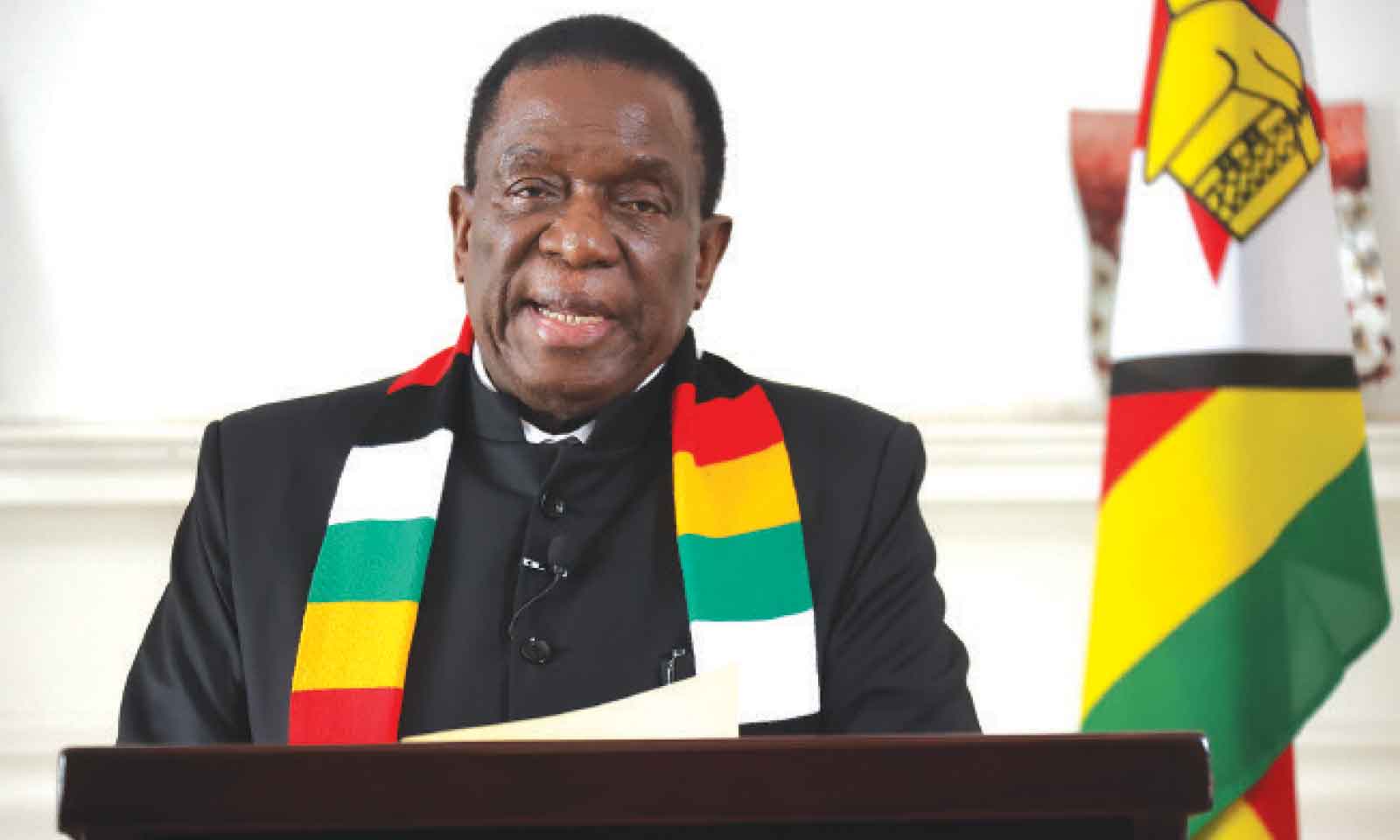
Richard Muponde
Zimpapers Politics Hub
AS Zimbabwe commemorates Unity Day, the Gukurahundi public hearings emerge as one of the most sensitive yet consequential national processes since Independence, aimed at bringing closure to this sad epoch and rallying citizens to participate in the country’s development.
Unity Day itself was born out of painful division, mistrust, and political conflict, yet it stands as an enduring reminder that dialogue and compromise can triumph over discord.
The Gukurahundi hearings, though emotionally charged, present an unprecedented opportunity to complete the unfinished business of national healing, restore dignity to affected communities, and entrench cohesion as Zimbabwe advances towards the Vision 2030 goal of an upper middle-income economy under the stewardship of President Mnangagwa and the Second Republic.
Origins of Unity Day: From Conflict to Reconciliation
Unity Day, marked annually on December 22, commemorates the signing of the pivotal 1987 Unity Accord between Zanu-PF and PF-ZAPU.
These former liberation movements had been divided by ideology, regional mistrust, and post-independence political competition.
The accord brought to an end years of instability that culminated in the disturbances of the early 1980s, particularly in Matabeleland and parts of the Midlands.
The Unity Accord was more than a political arrangement; it was an acknowledgment that national survival depended fundamentally on unity.
It laid the foundation for peace, political stability, and nation-building, reinforcing the liberation ethos that Zimbabweans are stronger together than divided.
Gukurahundi: An Unresolved National Wound
Despite the success of the Unity Accord, the issue of Gukurahundi remained largely unresolved for decades, leaving deep bitterness among affected communities. Families continued to grieve loved ones lost, while others sought truth, recognition, and closure.
The silence surrounding the issue in the First Republic bred mistrust towards the State and reinforced feelings of marginalisation. Consequently, the legacy of Gukurahundi has often been weaponised politically, undermining national cohesion and distorting genuine calls for justice into platforms of division.
The Gukurahundi Hearings: Truth as a Pathway to Healing
The current Gukurahundi hearings mark a decisive departure from silence towards honest engagement.
While no process can undo the past, structured dialogue allows victims to be heard and communities to reclaim agency over their history.
The hearings recognise that reconciliation without truth is hollow, and that unity imposed without acknowledgement of pain is fragile.
This process aligns closely with African restorative justice traditions, where healing is achieved through truth-telling, community dialogue, and collective responsibility rather than retribution.
If handled with sincerity and sensitivity, the hearings have the potential to transform trauma into a bedrock for genuine reconciliation.
The Second Republic Under President Mnangagwa
President Mnangagwa has repeatedly acknowledged that Gukurahundi is a “sad chapter” in Zimbabwe’s history that must be confronted honestly.
He has publicly stated that the issue requires “closure through dialogue, truth and national healing,” emphasising that Zimbabweans cannot build a united future while carrying unresolved wounds from the past.
Under the Second Republic, the approach has decisively shifted from denial to active engagement.
President Mnangagwa has stressed that Zimbabwe belongs to all its citizens, regardless of region or political history, and that unity is indispensable for development.
His leadership frames Gukurahundi not as a regional issue but as a national responsibility.
Nyika Inovakwa neVene Vayo Ilizwe Lakhiwa Ngabanikazi Balo: Unity as a Development Philosophy
The philosophy Nyika inovakwa nevene vayo/Ilizwe lakhiwa ngabanikazi balo (A Country is Built by its Owners) underscores the belief that Zimbabwe can only be built by its own people, united by a shared purpose.
The Second Republic has consistently advanced the principle that “no one and no place should be left behind,” reinforcing inclusivity as a core development strategy rather than a mere slogan.
National cohesion is, therefore, not only a moral obligation but an economic necessity. Vision 2030, which aims to transform Zimbabwe into an upper middle-income economy, requires social stability, trust in institutions, and collective national effort as outlined in the National Development Strategy 1 (NDS1).
Development i: Bridging Historical Gaps
The Second Republic has prioritised infrastructure and socio-economic development in Matabeleland as a key step in correcting historical imbalances.
Major projects include the Gwayi-Shangani Dam, expected to unlock irrigation, water security, and industrial growth; extensive road rehabilitation linking the region to national and regional markets; upgrades to airports and border infrastructure; and increased funding through devolution to empower local authorities.
These initiatives have begun transforming livelihoods by improving access to water, transport, health services, and economic opportunities.
While development alone cannot erase historical trauma, it demonstrates a tangible political commitment to inclusion and shared national progress.
Unity and Development: Lessons from history
Global history offers stark lessons on the cost of disunity. Countries torn by unresolved historical grievances often experience cycles of instability, economic stagnation, and social fragmentation.
Persistent divisions erode investor confidence, weaken institutions, and divert energy from development to conflict management.
Zimbabwe’s choice to confront its past through dialogue, rather than suppression or denial, positions it on a different trajectory—one that prioritises peace, unity, and sustainable development.
Unity as a Shared Responsibility
National unity cannot be legislated; it must be lived. Citizens are called upon to engage constructively, resist divisive narratives, and embrace the liberation values of unity, peace, and development.
The Gukurahundi hearings should not be reduced to political point-scoring but understood as a collective effort to heal and move forward as one nation.
Gukurahundi Hearings and Unity Day
The Gukurahundi hearings and Unity Day are inseparably linked. Unity Day symbolises the courage to reconcile after conflict, while the hearings represent the courage to confront painful truths.
Together, they affirm that unity is not the absence of disagreement but the commitment to resolve differences peacefully.
As Zimbabwe marches towards Vision 2030, the lessons of the past must inform the promise of the future.
Through truth, unity, and inclusive development, the nation can finally close a painful chapter and write a new one anchored in cohesion, dignity, and shared prosperity