

 Online Reporter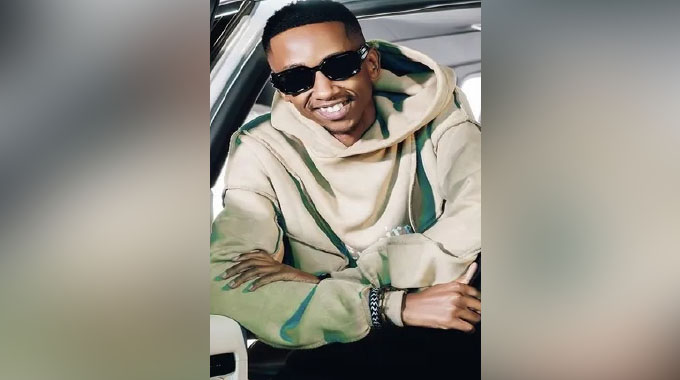
Bruce Ndlovu, Sunday Life Reporter
FOR the past few weeks, South African amapiano sensation, Scotts Maphuma, has dominated showbiz conversations worldwide.
Maphuma, whose distinctive conversational style has garnered him praise over the past year, is a leading figure in amapiano.
He has emerged as one of the fresh voices of a genre that continues to exceed expectations.
After several years of chart dominance, it is clear that amapiano is here to stay and Maphuma is at the forefront of a new generation, aiming to elevate the genre to even greater heights.
However, for the last few weeks, attention has steadily shifted away from Maphuma’s microphone prowess. Instead, the young entertainer has become the centre of controversy, with even his fans rallying to “cancel” him.
So, what is all the commotion about?
Scott Maphuma, like countless artistes before him, is a maverick — a rebel still searching for his cause. In recent months, he has displayed an arrogance that his fans and others in the industry find unacceptable.
Maphuma angered his growing legion of followers by stating that he was not always in the mood to warmly greet fans or even take the customary selfies with them.
“I am not money; not everyone will like me,” he proudly declared in one post.
In subsequent appearances, Maphuma reiterated his sentiment that too much was being expected of him when all he wanted to do was his job.
“I did not want to be famous. If I do not want to take a picture, then I do not want to. No one made me reach the point I am at today, and no one can remove me from it. Can’t I go to the mall and buy a Nike shirt when I want to because I am afraid that you will want a picture? I did not come into this world for anyone. Yeah, so these people also did not come into this world for me,” he said on L-Tido.
Within weeks of these pronouncements, Maphuma felt the backlash from fans.
First, he was snubbed at the Metro FM awards, walking away empty-handed despite being last year’s chief hit-maker.
Then, fans began to give him the cold shoulder at shows, refusing to respond to his chants and showing general disinterest in his performances.
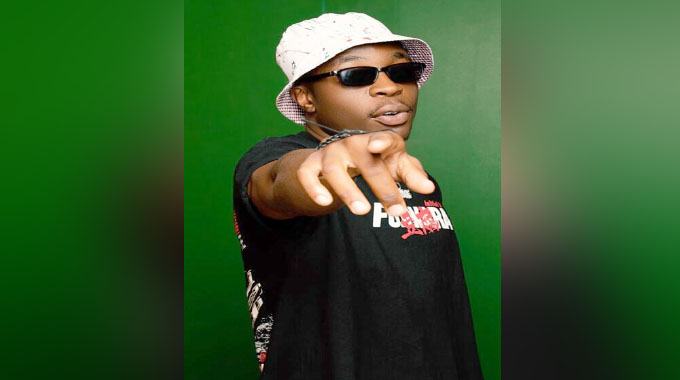
In a way, Maphuma’s character, and even the backlash he has received at shows, might remind Zimbabweans of their own Holy Ten, a man no stranger to controversy.
For the past few years, the hip-hop star has become the antagonist in Zimbabwean showbiz, offending everyone from fellow hip-hop artistes to businesspeople.
Holy Ten and Maphuma are following a path trodden by other maverick stars over the years.
Who can forget the late AKA’s live and social media interactions with fans, which undoubtedly worried his publicists?Or Kanye West’s erratic behaviour, which has alienated friends and fans alike?
Some artistes simply seem to live by their own rules, disregarding the expected etiquette both on and off stage.
They are the rebels everyone loves to hate, the men and women whose behaviour leaves much to be desired but whose art is too compelling to ignore.
However, what happens when these artistes’ actions begin to negatively impact their earnings or, even worse, threaten public safety?
Following the Metro FM awards, reports emerged that some promoters had decided collectively not to hire Maphuma for shows. They argued that an artiste who elicits a lukewarm response from the audience is bad for business.
Meanwhile, Holy Ten’s antics have led to crowd trouble in various settings.
This year alone, Holy Ten has been driven off stage due to crowd trouble in Gweru, Kariba and Chitungwiza. Could the musician’s off-stage persona be fuelling animosity towards him? Or are his on-stage antics inviting the hate directed at him?
“Artistes are supposed to uphold the integrity of their brand when they get on stage,” said Mduduzi Mdlongwa of 3D Events Management.
“You can sue artistes if things go south during a live show.”
Fellow promoter, Marshall Mpofu, said that it was the promoter’s responsibility to ensure that the booked artiste knew how to behave on stage.
“As promoters, you are aware of things that cause crowd trouble. So, you brief the artiste before the show and give them the dos and don’ts when performing in front of a specific crowd.
“You, as promoters, are aware of what might trigger a crowd. You also need to have an idea of their performance time and how you arrange it, because this is something that often triggers major issues,” he explained.
Mpofu added that what artistes did in their own time was their prerogative.
If a promoter hired a musician, who disliked interacting with fans or was antagonistic towards them on social media, they were aware of the associated risks.
“Usually, these days, we do not do roadshows with artistes. We do not expose them to the public before their performance at a show. Roadshows are not part of the contract. Typically, only social media advertising is specified in the contract and artistes do this through their pages because we recognise their power.
“Usually, if we organise a meet and greet, it is based on a mutual understanding with certain artistes. Some musicians and promoters have become friends over time, so when you invite them to a popular food spot, they will oblige.”


