Online Reporter
Farai Diza
THEY came, they saw, they conquered, and then they faded — but never truly disappeared. The story of Zimbabwe’s Urban Grooves musicians is a fascinating journey of a genre that once dominated the local music scene before seemingly sinking into oblivion. This movement entered a tough sector already owned by celebrated legends such as the late Oliver Mtukudzi, sungura giants Alick Macheso and Nicholas Zacharia, and gospel sensations including the Charambas, Ivy Kombo, and Shingisai Suluma.
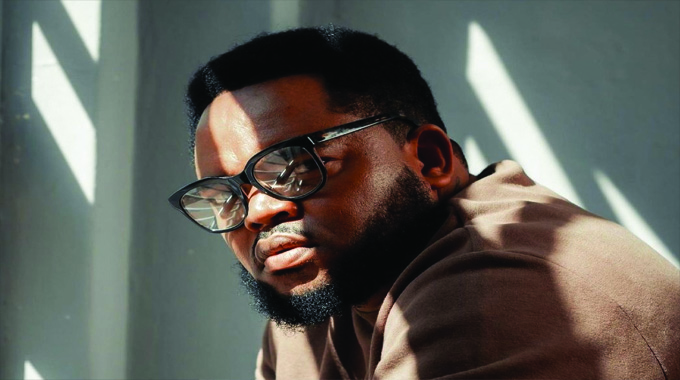
A government policy in the early 2000s requiring 75 percent local content on radio and television sparked a youthful musical revolution in Zimbabwe. Previously unknown singers and producers became household names overnight as their music, a unique blend of international styles like hip-hop, R&B, reggae-dancehall, and kwaito, filled the airwaves. This new sound appealed to all ages and social classes, marking a shift away from traditional genres and with the term “Urban Grooves” used as a catch-all for the emerging movement.
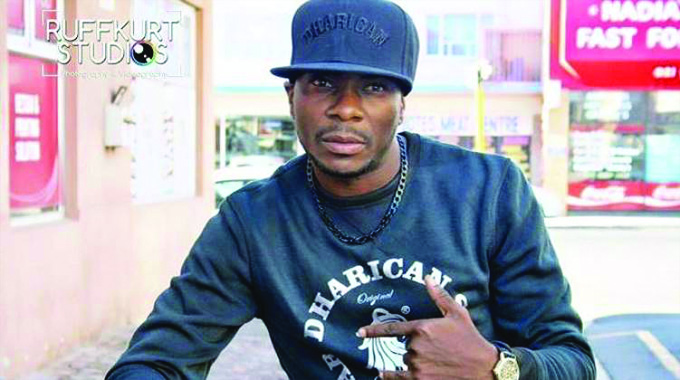
The appeal of Urban Grooves came from its clever use of colloquial Shona and Ndebele languages. The music, often centred on love, evolved to reflect the realities of the time, including long-distance relationships caused by the Zimbabwean diaspora. Hits such as Plaxedes Wenyika’s Tisaparadzane, Betty Makaya and Jamal’s Kurwizi, and Extra Large’s Uriroja, which addressed tenant hardships, remain popular. Other key artists from this era include David Chifunyise, Alishias “Maskiri” Musimbe, Sanii Makhalima, and Desmond “Stunner” Tambaoga.

The popularity of Urban Grooves eventually began to wane with the rise of new genres like Zim Dancehall, Afro Jazz, and Hip Hop, led by artists such as Jah Prayzah, Winky D, and Killer T. As these new movements gained traction, Urban Grooves artists faced personal and professional difficulties. Some, like Innocent Utsiwegota, had legal troubles, while others, including Betty Makaya, left the country for different careers. A notable number of these artists had professional qualifications to fall back on, a contrast to many of today’s musicians.
The reasons for Urban Grooves’ decline are a subject of much debate. Some critics, like renowned music producer Clive “Mono” Mukundu, argue that the genre was simply too foreign to be successfully localised and exported.
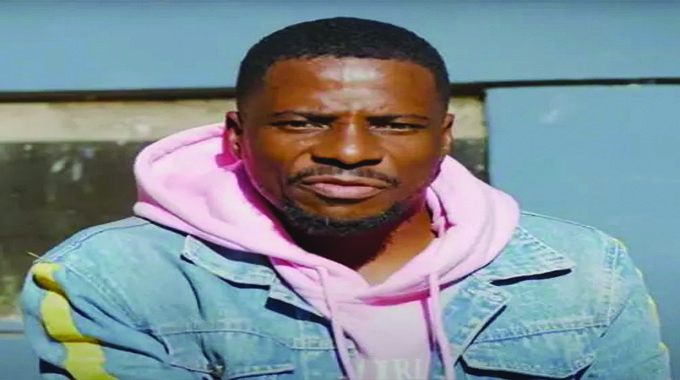
“Urban grooves was too foreign to make it in Zimbabwe,” he stated, adding that the lack of export potential meant there was no real money in the industry, despite the perceived popularity. This sentiment is supported by the fact that Urban Grooves live shows often struggled to attract large, paying crowds, with well-publicised concerts drawing only a handful of people.

Some critics argue that the decline of Urban Grooves was inevitable because it wasn’t a single genre but a mix of hip-hop, R&B, and Afro-pop that eventually splintered. Another compelling theory is that the genre lost its audience during the difficult economic period of the late 2000s. While new artistes tackled serious issues like poverty and drug abuse, Urban Grooves remained focused on themes of love, a disconnect that ultimately proved fatal.
Despite a commercial decline and limited airplay, many believe the Urban Grooves movement is still alive. Music promoter Kudakwashe Hwapunga states, “Urban Grooves is a movement, it never dies,” a sentiment echoed by many in Bulawayo who still listen to old tracks on their phones. Although the genre may have passed the torch to Zim Dancehall and others, its legacy is undeniable; it brought fresh, youthful energy to the Zimbabwean music scene and paved the way for the very genres that succeeded it.