

 Online Reporter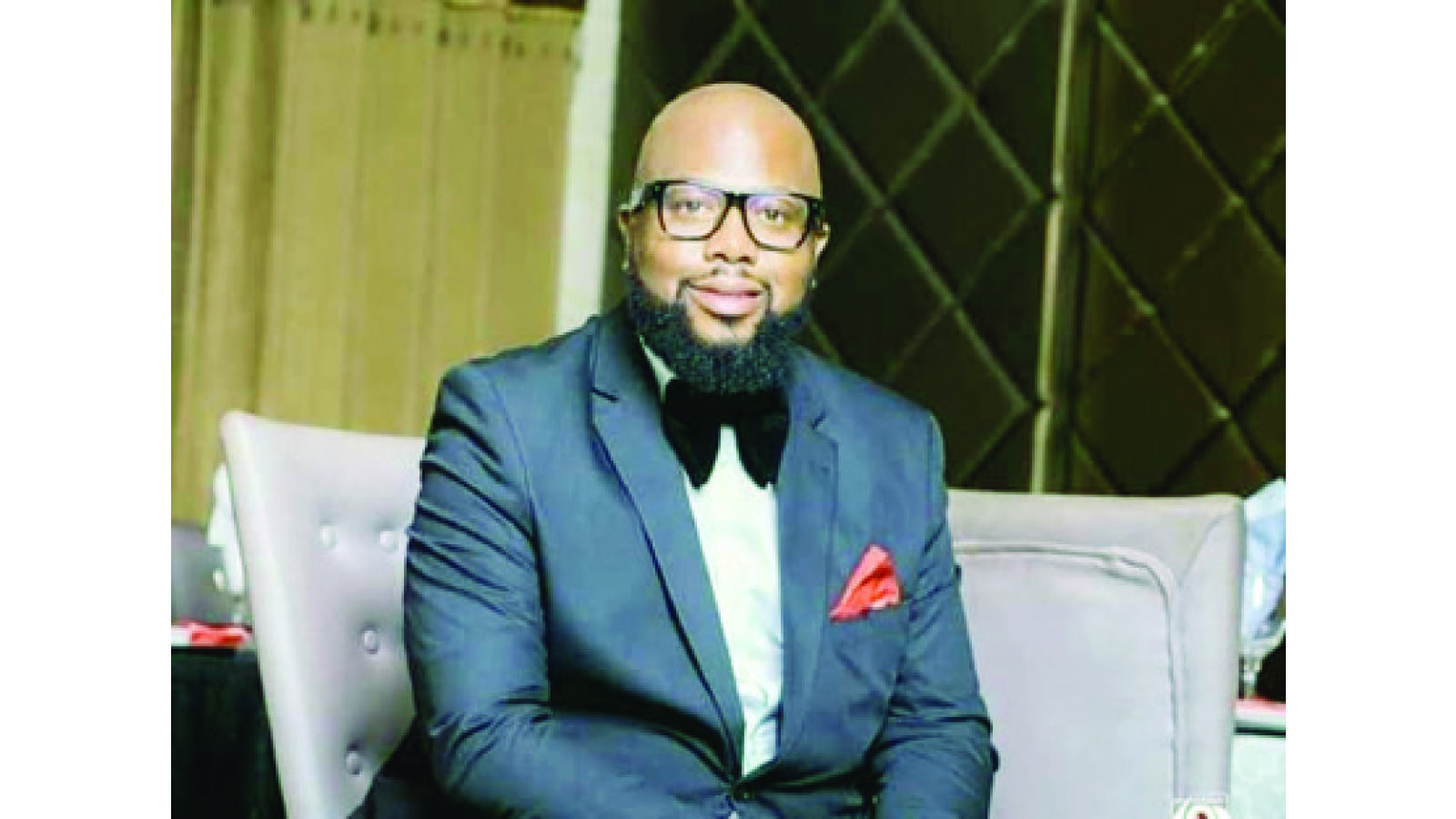
Michael Tome
Business Reporter
RISING from the dusty streets of Mbare to claim a place in the upper echelons of Zimbabwe’s business executives is not an easy triumph.
It was a life of ups and downs until the moment of breakthrough eventually came his way. In fact, it is out of deprivation that the young man’s entrepreneurial spirit ignited.
From selling tomatoes and all kinds of wares in the ghetto at the tender age of 10, the young man learnt the ropes of entrepreneurship.
Such is the story of Astro Technologies chief executive officer Dr Munyaradzi Gwatidzo.
After finishing his A-level studies, he could not afford the tuition for university education despite having exceptional grades in high school; thus, he entered the job market as a bank teller at one of the local banks.
“I just had to start working because of the life challenges at home,” said Dr Gwatidzo.
“I was an orphan, and my brother was the one taking care of me. I told him I was not going to burden him with my university education. I said ‘Let me look for a job so that I can take care of myself and help you take care of these other siblings’.”
The year was 2002 when the young Gwatidzo (18) started working in a bank as a teller, but due to the pressures of life at home, the remuneration was not enough; he needed more money to fend for himself and his siblings. As a technology fanatic, the young Gwatidzo self-taught himself to fix mobile phones in his spare time, a business he later grew through buying, repairing and selling second-hand phones.
“I always had a passion for technology and carried it with me even as I worked in the bank,” he said.
Driven by his tough upbringing, Dr Gwatidzo’s entrepreneurial aspirations were fuelled by a desire to improve his family’s fortunes and ensure his children wouldn’t face the same struggles he did.
He nurtured this side of his hustle for a while until he fully understood the dictates of the cell phone business. As a success-hungry young man, Dr Gwatidzo saw an opportunity in reselling the repaired second-hand phones in Zambia.
“I would buy one or two phones, fix them and jump onto a bus on Friday or Saturday after work, go to Zambia and sell those phones, it was a lucrative business because phones were very expensive at that time because they were still scarce and would make a US$100 profit per phone that time,” he said.
After four years of balancing work as a teller and his repair and cell phone sales business, Dr Gwatidzo saw his small business grow rapidly as he started getting good phones for resale from the United Kingdom.
As the business expanded, Dr Gwatidzo decided to resign from his bank job in 2006 to focus on business.
“Entrepreneurship is always about hard work and commitment. I always want to give my all in everything I do.”
Upon discovering that phones were going to be a key component in human civilisation, Dr Gwatidzo sojourned to China to familiarise himself with cellphone technology.
“At that point, I realised that phones were going to be the turning point of humanity and were going to be a key enabler in terms of people’s day-to-day life.”
The journey ended on a bad note as Dr Gwatidzo used all his savings trying to learn about the technology. His breakthrough, however, came in 2008 when the aspiring businessman found Chinese partners to establish G-Tide (Gwatidzo-Tide).
“I wanted to grow fast and further the brand, but I did not have money, so I joined hands with the Chinese. They would make me the phones and sell them in small units until they saw that the business was growing.
In two years, G-Tide was the fastest-growing device company in Zimbabwe, and by 2010 the company was selling around two million phones a year.
However, corporate politics rocked the ship, and Dr Gwatidzo lost the company to the greedy Chinese partners through, allegedly, a hostile equity takeover.
He even lost a lot of his belongings, including a house in Chishawasha Hills.
“Things went bad to the extent that two months down the line, I started driving mshika shika plying the Avondale route. At that point, I think I kind of lost my mind. “
Dr Gwatidzo dusted himself up and got back into the business via G-Tel (Gwatidzo -Telecommunications) and later G-Mobile.
The company later rebranded as Astro Mobile, securing funding from investors such as successful entrepreneur Nigel Chanakira, a fellow church member.
“I then called the company Astro with reference to the brightest star in the sky.”
From there, Astro Mobile started growing in leaps and bounds, spreading its services to regional countries like Zambia, Malawi, South Africa and Mozambique. It was not all smooth as the business was to be affected by the implementation of Statutory Instrument (SI) 142 of 2019, which reintroduced the Zimbabwean dollar as the sole legal tender, effectively ending the multi-currency system that had been in place since 2009. This negatively affected the company, which had given phones to civil servants on loan. A year later, the emergence of COVID-19 worsened the company’s woes.
It was during the COVID-19 pandemic that Astro Mobile diversified its operations to adapt to the changing business landscape.
As part of this strategic move, the company established new subsidiaries to expand its reach and offerings. These subsidiaries include E-Mart, an e-commerce platform designed to cater to the growing demand for online shopping, Pulse Active, a health tech company focused on innovative healthcare solutions, and AstroPay was also launched, offering digital credit services to meet the evolving financial needs of customers.
All these subsidiaries are now housed under Algebra Technologies, a holding company that oversees and supports the growth of these diverse businesses. This restructuring positions Algebra Technologies for long-term success and enables its subsidiaries to thrive in their respective markets.
Dr Gwatidzo said he looks forward to growing his company into at least 20 African countries in the next five years.
The company currently operates in Zambia, Mozambique, and Kenya, with plans to soon enter the Angolan and Ugandan markets.
“ Our goal is to connect at least 50 million people to our ecosystem within the next 5 years, providing them access to digital credit services and health tech solutions.
“We envision our company growing into a billion-dollar entity, with plans to list on both the London Stock Exchange and the New York Stock Exchange.
Dr Gwatidzo advised aspiring entrepreneurs to be resilient in chasing their goals and building their businesses.
He emphasised that entrepreneurship is not a smooth ride, and failures often stem from giving up too soon, not because of inherent flaws.
He noted that a successful entrepreneur needs to be incredibly resilient.
“Business is not smooth, and those who fail are those who give up. You should be willing to have sleepless nights. You should be willing to sleep without eating..You should be willing to be laughed at.”
Dr Gwatidzo advised entrepreneurs to seek guidance from experienced professionals in their industry who can offer valuable mentorship.
He also noted the importance of continuous learning, acquiring new skills, and staying up-to-date with the latest trends, especially in today’s rapidly evolving digital landscape.
He said this would enable entrepreneurs to stay ahead of the curve and navigate the challenges of their respective businesses.
He stressed the importance of establishing proper structures and investing in social capital to build a network of like-minded individuals.
“If you want to make it, strategically position yourself and align with people who have similar minds with what you want to be able to do.
Despite facing challenges that hindered his initial access to tertiary education, Dr Gwatidzo persevered and went on to achieve remarkable academic success.
He has earned a degree in Computer Science and Electronics, followed by a Master’s in Business Administration, and ultimately attained a Doctorate in Artificial Intelligence.
When it comes to work-life balance, Dr Gwatidzo said he wished he could spend more time with his family, especially his kids.
However, currently, his life is mostly consumed by work, with 80 percent dedicated to it and only 20 percent left for family and other social activities.



