

 Online Reporter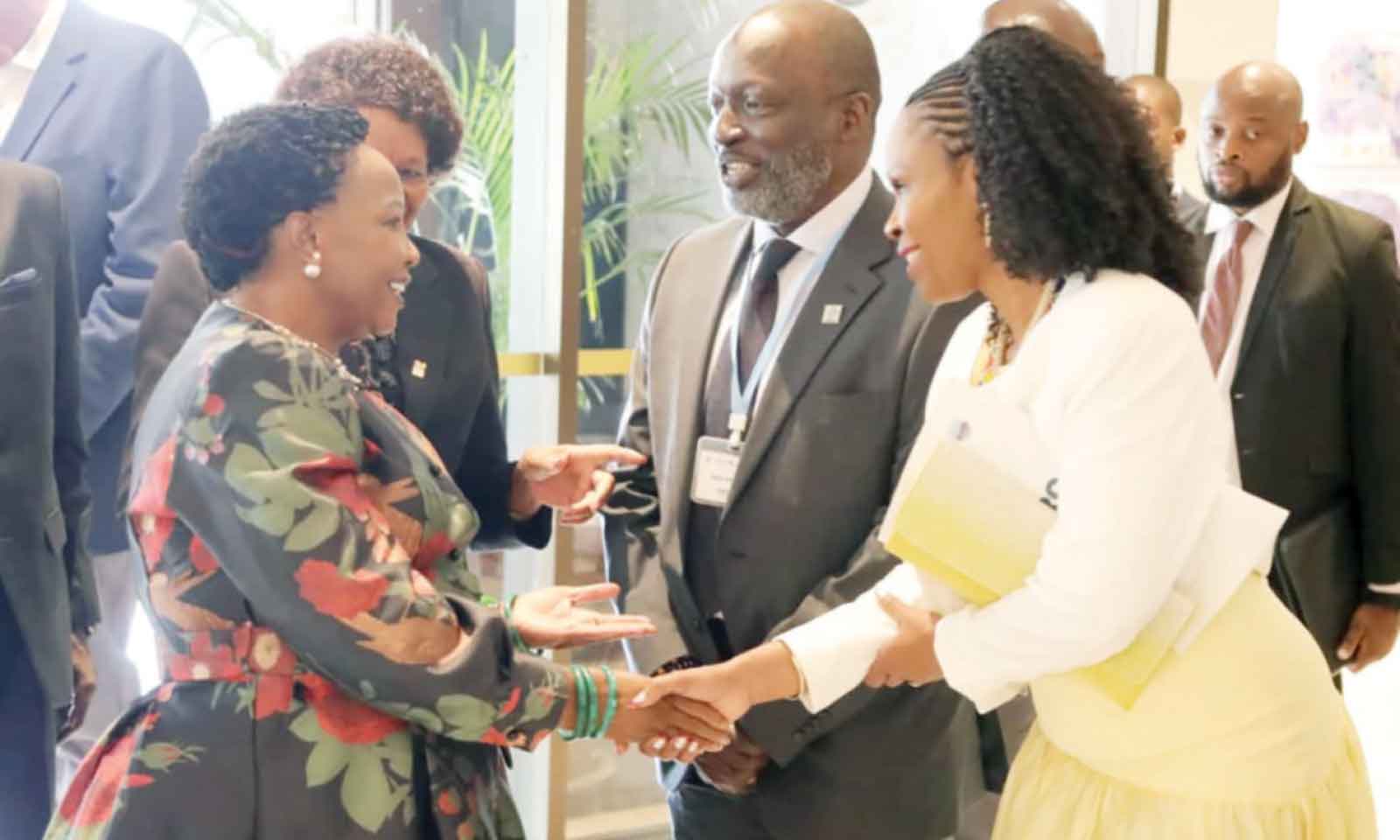
Blessings Chidakwa
Senior Reporter
Environment Patron, First Lady Dr Auxillia Mnangagwa has challenged Zimbabweans to continue embracing cleanliness and sustainable waste management, saying today demands a complete shift from careless dumping to practices that protect public health, create jobs and build a greener economy.
Speaking at the International Solid Waste Association (ISWA) Africa Regional Chapter Conference held in Harare under the theme “Enhancing Sustainable Waste Management Practices in Circular Economy,” Dr Mnangagwa said Zimbabwe has already moved beyond talking about environmental change to implementing real solutions.
The First Lady, highlighted the need to transition to a circular economy, saying it is not just an environmental necessity but a game-changer that paves the way for economic development.
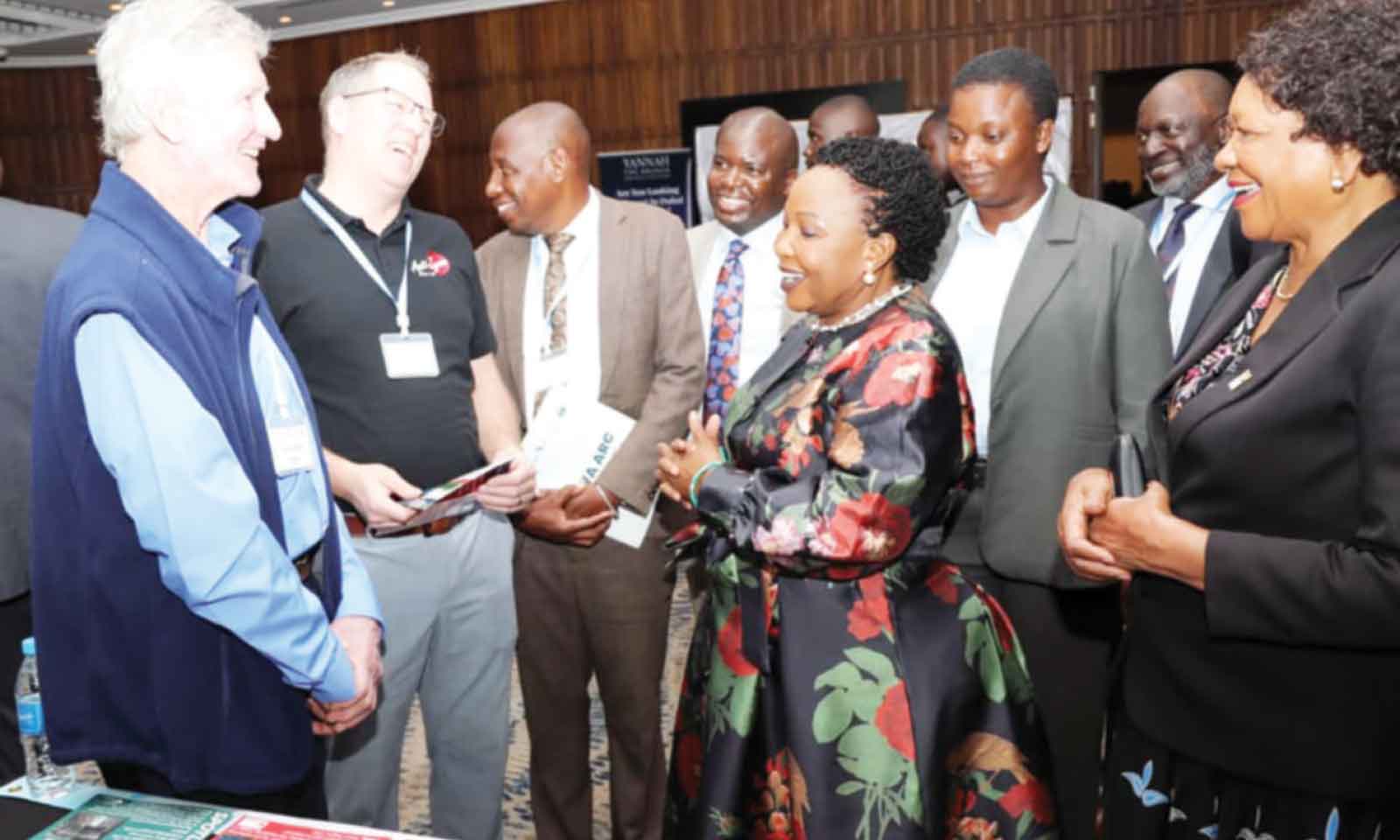
The historic oversubscribed high-level gathering marked the first time Zimbabwe hosted the prestigious ISWA regional conference, drawing delegates from across Africa and beyond, including the United Kingdom, Canada, Eswatini and Ghana, who also had their exhibition stands, reflecting growing international confidence in Zimbabwe’s commitment to sustainable waste management.
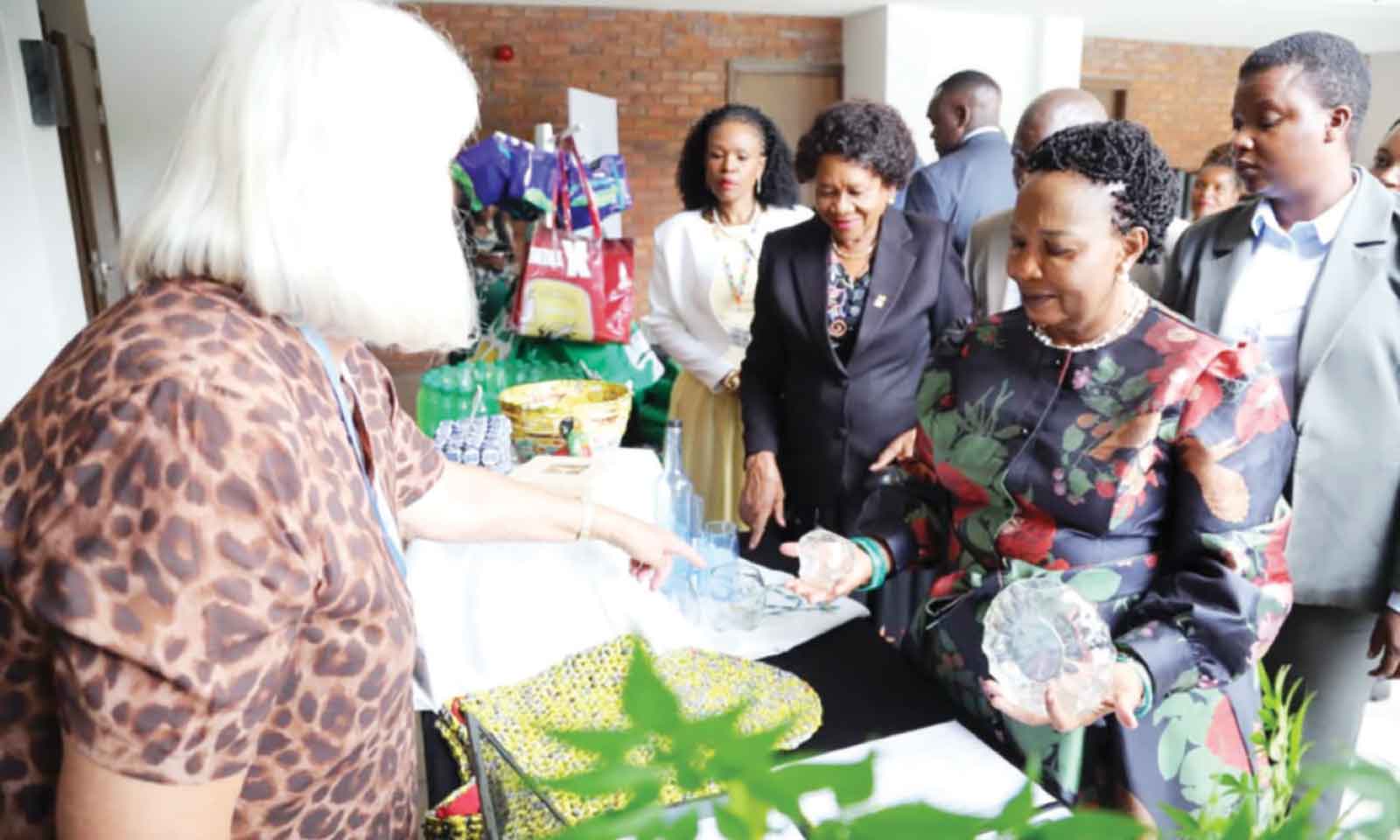
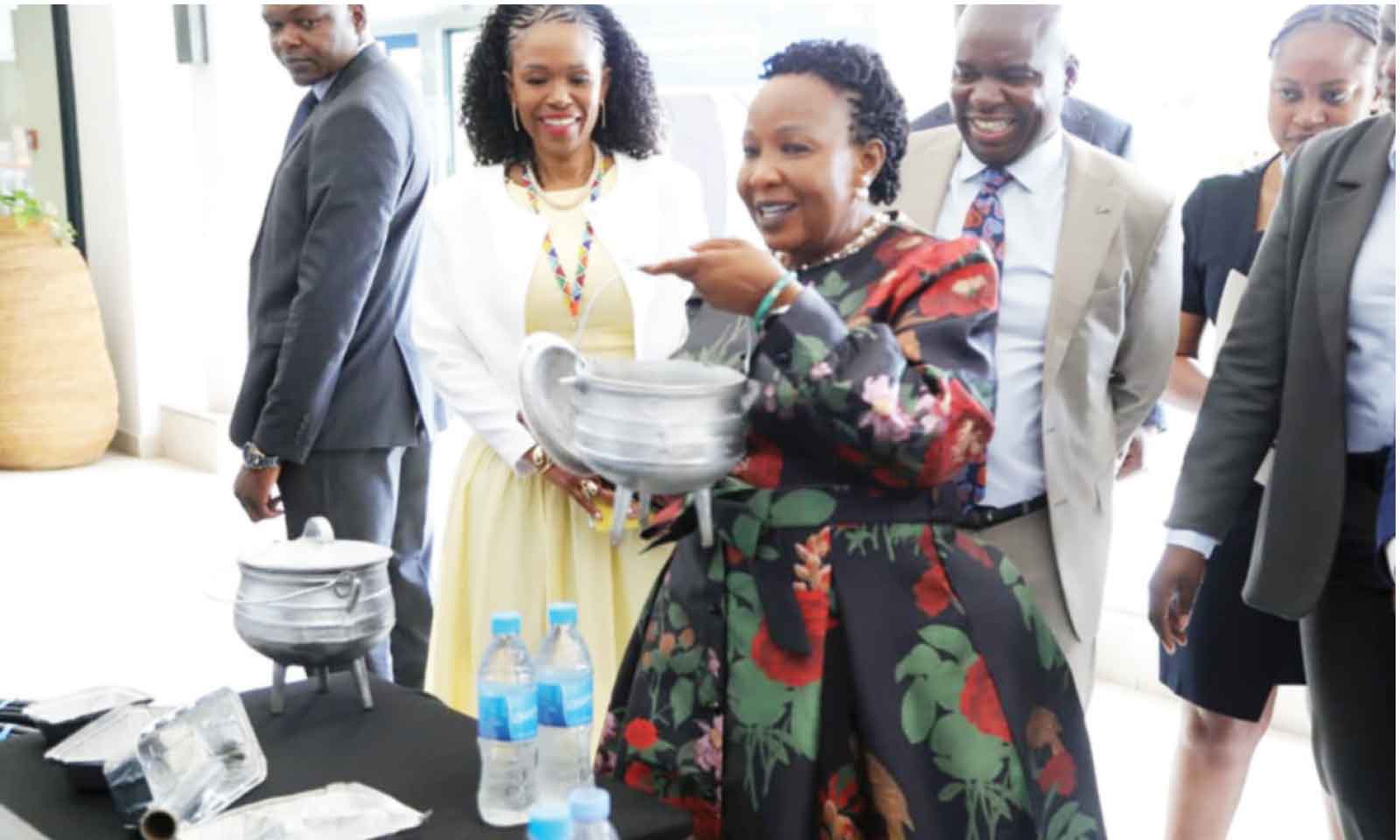
The Environment Patron started by taking a tour of the various exhibition stands showcasing impressive, innovative items crafted from recycled materials, where she witnessed how these materials are being transformed into valuable products such as handbags, chairs, tables, jewelry, and many other items.
Dr Mnangagwa, who officiated at the 2026 ISWA Africa Regional Chapter Conference, said the hosting of the regional conference reflects the confidence the international community has in Zimbabwe’s commitment to environmental stewardship and sustainable development.
The Patron of the Environment said waste should no longer be viewed as a burden, but as an opportunity for transformation, job creation and poverty reduction, particularly for youths and women.
“Transitioning to a circular economy is not just an environmental necessity, but it is a catalyst for job creation, particularly for our young and youth women in their pathway to poverty reduction,” she said.
“The National Development Strategy 2 emphasises the transition toward a circular economy as a primary driver for environmental sustainability and resource efficiency. By prioritising the reduce, reuse and recycle hierarchy, the framework seeks to move away from the traditional economic model, particularly in the management of solid waste.”
The First Lady also commended Zimbabwe’s National Clean-Up Day, observed every first Friday of the month, saying it remains a key tool for building a culture of collective responsibility.
However, she warned that cleaning once a month was not enough, as it should be a daily thing.
“In Zimbabwe, we generate nearly two million tonnes of waste annually. For too long, the traditional linear approach of extracting raw materials, sending them into processed goods and then disposing of them after use has left many cities struggling with unprotected waste and Governments vulnerable to contamination. However, where there is a crisis, we see a transformative opportunity.”
Dr Mnangagwa said by emphasising community-led recycling and the transition from open dumping to organised waste management, the National Clean-up Day creates a foundation for the Zero Waste Movement and strengthens stakeholder collaboration.
“These efforts not only improve public health by mitigating disease risks like cholera, but also showcase Zimbabwe’s commitment to scaling up sustainable infrastructure and resource recovery on a continental scale.
“You cannot rely only on the fact that we clean once and at the beginning of every month. As a department of environment, we are saying cleaning is done every day,” she said.
Dr Mnangagwa urged parents, particularly mothers, to instil discipline and cleanliness in children at household level, saying good habits developed at home can shape behaviour in towns and cities.
The First Lady said that is what she teaches during her highly engaging cultural restoration programme of Nhanga/Gota/Ixhiba.
Dr Mnangagwa said consistent waste management practices reduce disease outbreaks such as cholera while strengthening efforts towards a zero waste movement.
The First Lady urged African countries to work together, stressing that environmental challenges do not respect borders.
“A river polluted in one country flows through another, the same way smoke from a burning dumpsite affects the air we breathe. Therefore, I call upon each one and all delegates here today to foster greater collaboration. Let us harmonise our policies, share our technologies and support each other.
“We must move beyond pilot projects and scale up our solutions. I urge all stakeholders, including government, industry and academia, to use this conference to develop a roadmap for a cleaner, greener Africa. Let us move from dumpsites to dignity and from waste to wealth,” she said.
The First Lady also applauded emerging public-private partnerships in waste management, citing the Geo Pomona Waste-to-Energy initiative as a key milestone in Zimbabwe’s transformation, demonstrating the transition from hazardous open dumpsites to a state-of-the-art sanitary landfill.
“Zimbabwe is no longer just talking about change; we are implementing it,” she said.
The First Lady also commended partnerships between Geo Pomona Waste Management and the ISWA East Africa Regional Chapter, saying regional collaboration will strengthen Africa’s capacity to turn waste into opportunity.
“This collaboration reflects an important step towards the professionalism of the waste management sector and the advancement of a more resource-efficient economy. Through knowledge-sharing, technical cooperation and regional engagement, such partnerships strengthen our collective ability to transform waste into opportunity.”
The First Lady said her office continues to engage the private sector and public institutions to work together in building a cleaner nation.
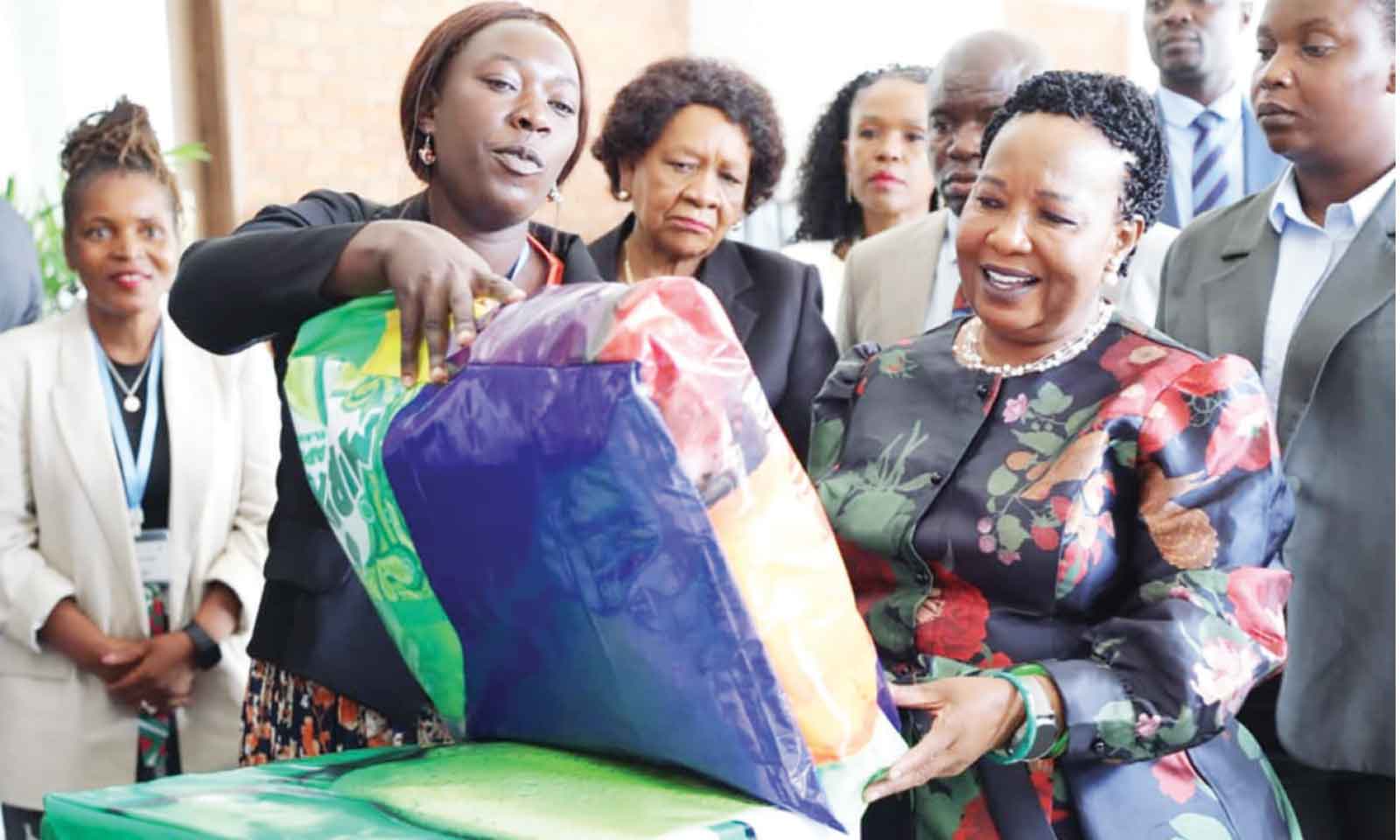
Dr Mnangagwa praised schools and young people being trained by the Environmental Management Agency (EMA), saying recycling is now unlocking creativity and entrepreneurship among learners who are producing breathtaking artefacts from waste.
“I commend these efforts as they show that creativity and entrepreneurship can flourish from materials once deemed useless,” she said.
The Environment Patron called for stronger policy enforcement, investment in waste segregation infrastructure, increased community recycling programmes and the formal inclusion of waste pickers, whom she described as “unsung heroes” of the sector.
Dr Mnangagwa challenged delegates to use the conference to produce a roadmap for a cleaner and greener Africa, calling for practical solutions beyond pilot projects.
“Let us leave this conference with renewed energy and an unshakeable belief that a cleaner, greener and sustainable Africa is possible,” she said.
ISWA Africa Regional Chapter’s Ms Mpendulo Ginindza said she was grateful to the First Lady for her personal commitment to environmental stewardship, as her championing of the cause gives it more visibility and momentum than any policy document can ever generate.
“ISWA Africa Regional Chapter was born in 2022, established with a deliberate focus to ensure that Africa does not simply import waste management solutions from elsewhere, but develops its own, grounded in African universities, African economies, and African people.
“We are not waiting for solutions to come from elsewhere. We are affirming that Africa’s solutions must be developed here by Africans in Africa. This is a demonstration of leadership, and we honour it.”
Ms Ginindza also applauded young investors for redefining what is possible in waste management, turning waste into energy, plastics into building materials, and recycling into life goods.
“We have also seen what is happening in Zimbabwe, as we walked around. Well done to Africans and young Africans. Their creativity reminds us that solutions are already born right here in Africa,” she said.
Ms Ginindza said the theme for the conference, Enhancing Sustainable Waste Management Practices in Circular Economy, was deliberately chosen.
“It speaks both to the practical foundations we still need to strengthen and to the transformative vision we are collectively reaching for. It connects today’s reality with tomorrow’s possibility,” she said.
“We reaffirm our commitment to every Government, every partner, every professional. We are here to support, to connect, and to help build systems that this continent deserves. Together we have knowledge, together we have partnerships, together we have a responsibility to build a cleaner, more resilient, and more prosperous Africa.”
Geo Pomona Waste Management Chief Executive Officer and Executive Chairman Dr Dilesh Nguwaya shared a bit of the company’s journey.
“Years ago, I stood at the edge of the Pomona dumpsite. The smoke was suffocating, the smell was unbearable, the place was toxic, it was an unliveable place. People used to avoid that place because no one wanted to live near that place.
“But we took over from the City of Harare. We transformed the place to become a model waste management facility, which meets international standards,” he said.
Dr Nguwaya said as they moved on site, there were women with babies on their backs, and young men who should have been in school, yet they were working harder than anyone he knows.
“I looked at the mountain of waste. I did not see the garbage. I saw dignity to be restored. I saw mothers who deserve better. I saw opportunity,” he said.
Environmental Management Agency Director-General Aaron Chigona said waste is no longer a challenge, but an opportunity.
“Our national priorities are to take this challenge. As our urban cities increase in size, I think we need to ramp up from where you have taken us and identify the steps of what we need to do, and make sure that we take a directive, intensive approach to ensure that solid waste management is no longer a threat to public health,” he said.
Environment, Climate and Wildlife Minister Dr Evelyn Ndlovu said the ministry is pushing for the adoption of a circular economy focused on reducing, reusing and recycling.
Minister Ndlovu said they are also offering opportunities for job creation in the economy, economic growth, the growth of GDP, and improving sustainability through stronger policies, investments, partnerships and community initiatives.
Minister of State for Harare Provincial Affairs and Devolution Charles Tawengwa said they reaffirmed their unwavering commitment to environmental stewardship and sustainable urban development.
“We continue to pursue integrated solid waste management solutions, strengthen regulatory compliance, and support initiatives that will add value for many and safeguard the environment,” he said.
The International Solid Waste Association is one of the world’s foremost global bodies dedicated to professional and sustainable waste management. ISWA brings together Governments, practitioners, researchers, and industries from over 100 countries.



