admin
admin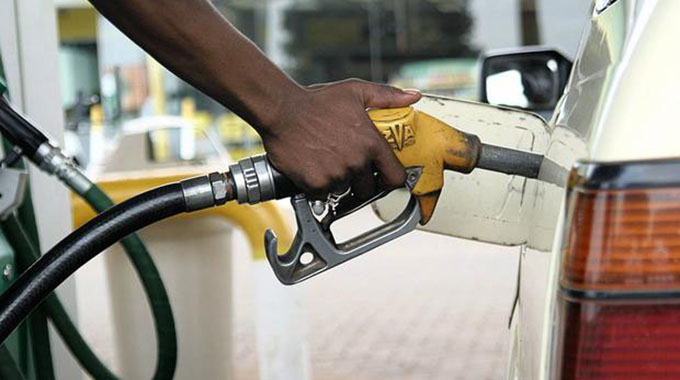
Herald Reporter
Fuel prices in Zimbabwe are continuing to creep up in US dollar terms as global crude oil prices continue to rise.
Yesterday the energy regulator Zera reset the maximum prices in Zimbabwe to US$1,76 a litre for diesel and US$1,73 a litre for blended petrol. The previous maximum prices set on May 20 were US$1,74 a litre for diesel and US$1,68 a litre for blended petrol. These in turn were increases from US$1,71 a litre for diesel and US$16,64 for petrol set on May 6.
In local currency terms, the maximum price for a litre of diesel is $550,59 and for a litre of blend is $539,56. Zera sets the maximums in US dollars and conversions are done at the prevailing interbank rate which changes more frequently. However, the bulk of fuel is procured using free funds from oil companies, and most of the fuel sold in local currency is made available to the Government and public users.
One reason for the sharper increase in petrol is the decision to reduce the ethanol percentage in blended petrol from 20 percent to 15 percent. While Zimbabwean fuel can handle the 20 percent, this does require adequate flows of ethanol from the sole Lowveld supplier and when supplies are inadequate the percentage drops.
At the moment ethanol is cheaper than refined lead-free petrol and so higher percentages mean a cheaper final product. The cut in the ethanol percentage will increase the percentage of more expensive refined petrol.
Global crude oil prices are continuing to creep up, partly the result of the resumption of so much business and travel after the Covid-19 cut backs and partly as a result of the Russian special operation in Ukraine which has seen a number of countries that were major customers of Russian oil seeking alternative sources.
The refining and transport costs are largely static, so Zimbabwean fuel prices move up and down according to the crude prices. The Government has moderated the full rises by changing the tax codes to reduce the amount of tax paid for each litre, but there are limits as to how much more can now be done.
The Zimbabwe Energy Regulatory Authority follows a formula to calculate the maximum retail prices, starting with the landed cost of diesel and petrol in Zimbabwe. Zera invites oil companies and service stations to lower prices where possible, and there is a strong element of competition in some sections of the market where there are a large number of service stations in a particular area.


 Online Reporter