Rutendo Nyeve, [email protected]
MOTORISTS and businesses are set to enjoy some relief after the Government began reducing fuel pump prices, with both petrol and diesel now retailing below the US$2 per litre mark following the reopening of the Strait of Hormuz and the stabilisation of global crude oil markets.
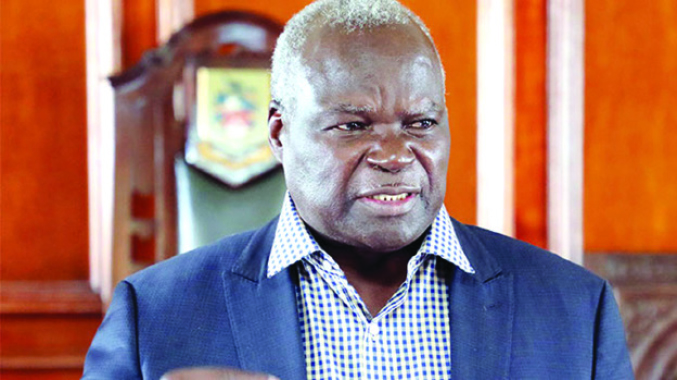
Addressing delegates at the Annual Chamber of Mines Conference yesterday, Energy and Power Development Minister July Moyo said Government was actively reviewing fuel prices in line with improving conditions on the international market while remaining committed to guaranteeing uninterrupted fuel supplies.
“In the petroleum sector, you have seen what we have been doing. We increased prices when we were hit by the Straits of Hormuz, we were very hard hit here in Zimbabwe. When you look at the percentages, what we increased from where we were is the same as what everybody else increased, but we already had a petroleum product which was higher than normal, and we have maintained to say we need security of supply.”

Minister Moyo said following the conflict in the Middle East, President Mnangagwa directed his ministry to prioritise fuel security.
“We don’t want any queues anymore after the President eliminated them. But there is the cost side of things that we are tracking, and we hope that we can decrease. You will see that this week, we are now below US$2 and we think the reviews that we are doing will lead us to where we need to go.”
Minister Moyo said Government would continue closely monitoring developments on the international market to ensure Zimbabweans benefit from ongoing stability in global oil prices.
The Strait of Hormuz, a vital shipping route through which roughly a fifth of the world’s oil supplies pass, became a flashpoint during heightened tensions in the Middle East, triggering supply concerns and sharp increases in global crude oil prices.
The disruption saw Brent crude prices rise above US$100 per barrel, pushing local fuel prices to about US$2,23 per litre for petrol and placing additional pressure on households and businesses.
Throughout the period of uncertainty, Government maintained that safeguarding fuel availability remained its top priority.
Authorities introduced market-sensitive pricing measures while ensuring the country retained fuel reserves sufficient for more than three months.
Government also introduced tax relief measures and increased fuel blending ratios from E5 to E20 as part of efforts to cushion consumers and stabilise pump prices.
Recent trends, however, point to a reversal of the earlier surge, with global oil prices easing significantly as supply chains normalise following the reopening of the Strait of Hormuz.
Fuel industry players have welcomed the downward adjustments, saying lower prices will provide much-needed relief to both consumers and businesses.
“As fuel industry players, we welcome the cushioning of fuel users which was extended by the Government when the Strait of Hormuz was closed,” said fuel industry player Mr McKenzie Dongo.
He said the reopening of the strategic route was expected to translate into further reductions in pump prices during the next Zimbabwe Energy Regulatory Authority (Zera) review, as international oil prices had fallen below US$86 per barrel.
“Prices eased during the last Zera review but remained above the US$2 mark. With this week’s international market reduction and stabilisation, we expect both petrol and diesel to fall further below the US$2 benchmark. For us as industry players, it eases pressure on working capital requirements, which had been seriously strained because of the earlier supply-induced increases,” said Dongo.
Zera is expected to announce its next official fuel price review in the coming days, with industry players anticipating further reductions as conditions on the international oil market continue to improve.