Mbulelo Mpofu, [email protected]
MORE than 30 years after he quietly documented the people, places and cultural heartbeat of a young nation finding its way after Independence, photographer Chicago Dzviti is once again telling Zimbabwe’s story.
This time, however, he is doing so from beyond the grave.
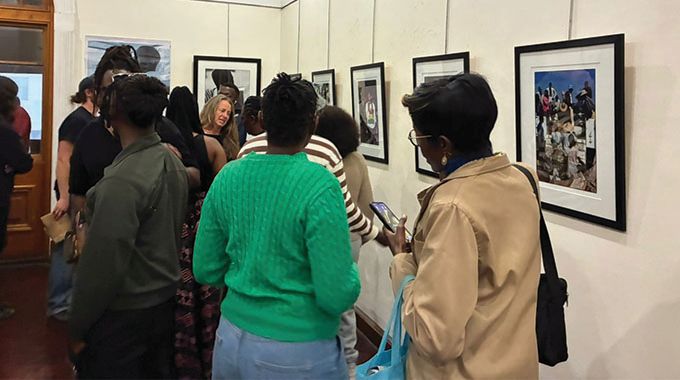
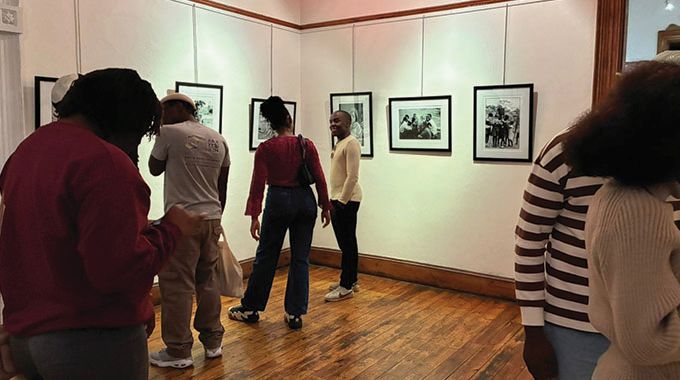
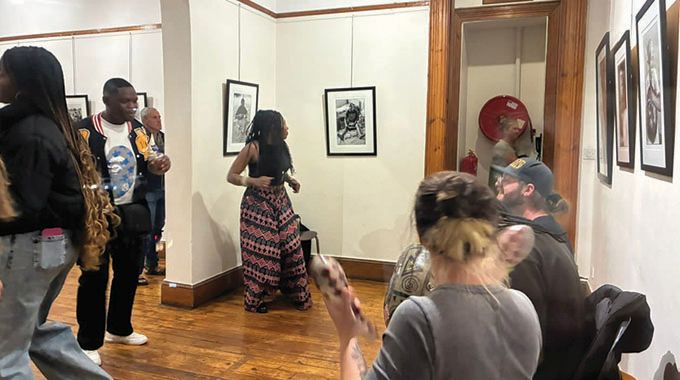
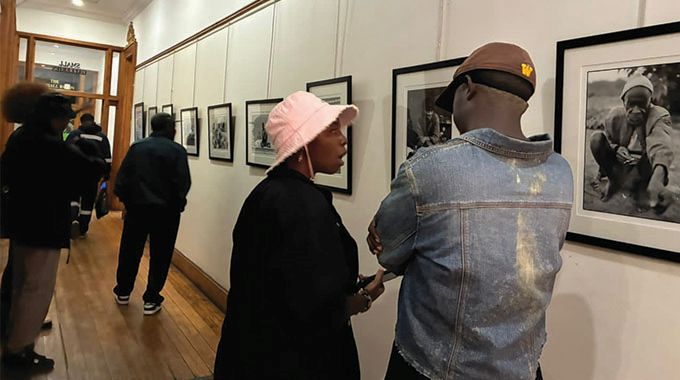
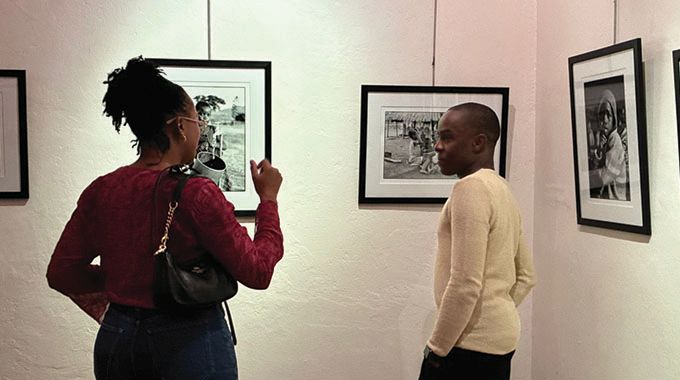
Last Friday, the National Gallery of Zimbabwe (NGZ) in Bulawayo opened the much-anticipated Portrait of Zimbabwe/Mifananidzo yeZimbabwe exhibition, introducing audiences to a remarkable collection of images that capture everyday life in Zimbabwe from the early 1980s to the mid-1990s. The exhibition, which features 75 carefully selected photographs, will run in Bulawayo until August 30 before moving to Victoria Falls next year.
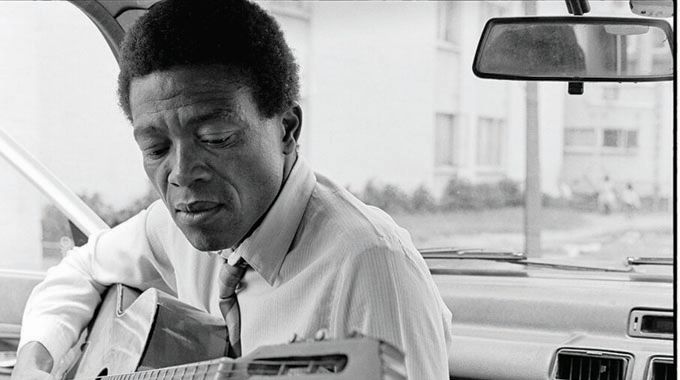
For many visitors, the exhibition is more than a collection of photographs hanging on gallery walls. It is a journey back in time — a chance to see Zimbabwe through the eyes of a man who had an extraordinary talent for finding beauty, meaning and dignity in ordinary moments.
From bustling city streets and rural communities to political figures, musicians and working-class citizens, Dzviti captured a country in transition. His photographs reflect a Zimbabwe filled with hope, change and determination, while also preserving moments that have become important pieces of the nation’s history.
The collection was first exhibited at the National Gallery of Zimbabwe in Harare last year before travelling to the Arches Gallery at Aberfoyle in the Honde Valley. Its arrival in Bulawayo marks another milestone in a project that has brought renewed attention to a photographer whose work was largely unknown to many Zimbabweans despite its historical importance.
Ironically, the effort to revive Dzviti’s legacy began in Bulawayo itself.
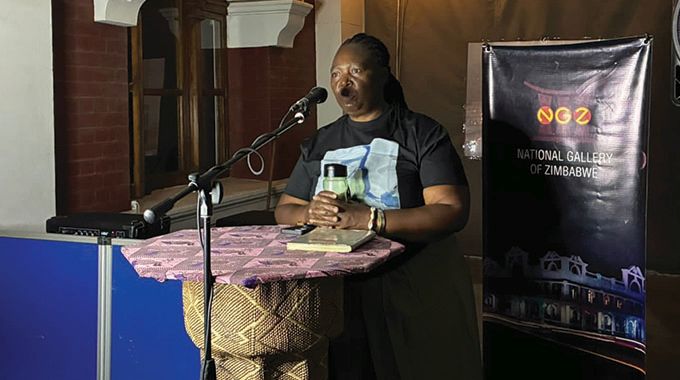
During the United States Embassy’s Fulbright Scholar Annual Address at the Natural History Museum of Zimbabwe last year, Associate Professor of Ethnomusicology at the Eastman School of Music and the University of Rochester, Dr Jennifer Kyker, highlighted the significance of Dzviti’s extensive archive.
What followed was a collaborative effort to preserve, curate and share a collection that offers a rare visual record of Zimbabwe during its formative post-Independence years.
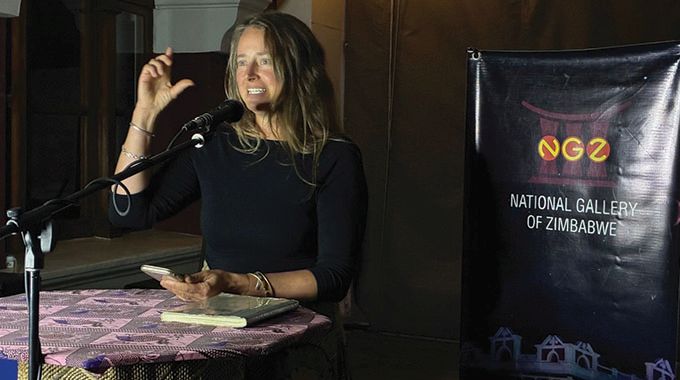
The exhibition is co-curated by Kyker and National Gallery of Zimbabwe Curator of Contemporary Art Fadzai Muchemwa. It represents a partnership between the NGZ, the University of Rochester, the United States Embassy and the Fulbright Programme.
Together, they have created an exhibition that goes beyond photography, presenting a vivid portrait of Zimbabwe’s social and cultural life during a crucial period in the country’s history.
Speaking in an exclusive interview, Kyker said she was delighted to bring the collection to Bulawayo.
“I’m thrilled to bring these beautiful images, together with their important historical perspectives, to audiences in Bulawayo. Together with my co-curator, we have worked to select 75 images from this extensive selection representing the work of Zimbabwean photographer Chicago Dzviti.
“Audiences will experience Dzviti’s unique perspective on Zimbabwean life in the 1990s, including his portraits of many important traditional and popular musicians, as well as a diverse range of Zimbabweans from all walks of life. From street children and farm workers to former President Robert Mugabe, I look forward to introducing this important collection and the work of Dzviti to new audiences in Bulawayo.”
According to Kyker, Dzviti was more than just a photographer. He was a pioneer whose work helped shape the path for future generations of Zimbabwean photojournalists.
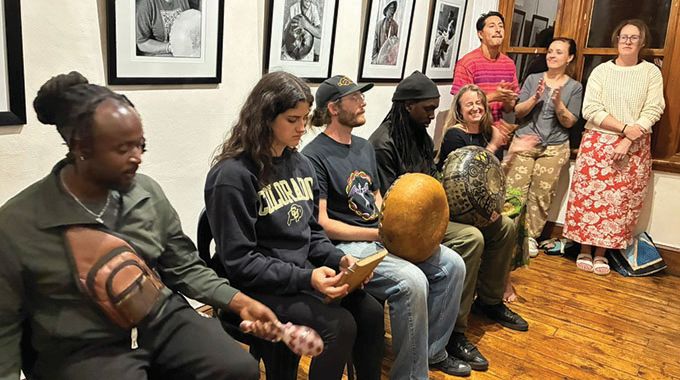
The opening ceremony reflected the spirit of the exhibition itself. While visitors admired the photographs, the sounds of mbira and hosho filled the gallery as Kyker was joined by Othnell Mangoma and fellow musicians, creating a fitting blend of music and imagery.
Music is, in fact, one of the strongest themes running through the exhibition.
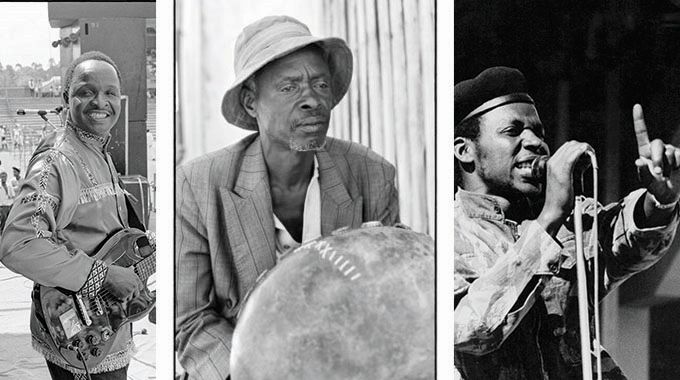
A walk through the gallery reveals Dzviti’s deep fascination with Zimbabwe’s musical culture. Many of his photographs feature some of the country’s most celebrated musicians at a time when traditional and contemporary sounds were influencing each other in exciting new ways.
As the mbira dzavadzimu became increasingly prominent in popular music during the 1980s and 1990s, Dzviti turned his camera towards the artistes driving that movement. His photographs capture iconic figures such as Thomas Mapfumo, Jonah Sithole, Stella Chiweshe and Jenkins Mandaza during rehearsals, performances and candid moments away from the spotlight.
Many of the images were taken during the 1994 Jenaguru Zimbabwe Musicians’ Day celebrations, preserving scenes that have since become part of the country’s cultural history.
Dzviti was known for his patience and attention to detail. Rather than taking a handful of shots and moving on, he often dedicated an entire roll of film to a single performer, searching for the perfect image that captured both personality and emotion.
One photograph drawing significant attention at the exhibition shows renowned musician Sibusisiwe “Busi” Ncube performing before a packed crowd at Gwanzura Stadium in Highfields during the Jenaguru Music Festival.
Now based in Norway, Ncube said the image immediately brought back powerful memories.
“I have fond memories of that day. The stadium was packed to capacity, and each and everyone was singing along with me. I could have just stood there and mimicked — the audience were my voice,” she recalled.
The photograph captures more than a musical performance. It freezes a moment of connection between an artiste and her audience, preserving an atmosphere that words alone would struggle to describe.
Born in Bushu Village in Shamva in 1961, Dzviti developed a passion for photography at a young age. He later studied at Harare Polytechnic in the late 1980s, where he refined a style that combined technical skill with a deep understanding of people.
In the early 1990s, he worked as a staff photographer for The Financial Gazette before moving into freelance photojournalism in 1993. The move allowed him greater freedom to document the stories that interested him most.
Unlike many photographers who focused on politicians and major events, Dzviti spent much of his time photographing ordinary Zimbabweans. He turned his lens towards street children, vendors, farm workers, musicians, families and people in rural communities. His work reflected a belief that everyday lives mattered and deserved to be recorded.
That commitment to telling people’s stories remains one of the defining qualities of his photography today.
Sadly, Dzviti died in 1995, leaving behind an archive of nearly 4 000 photographs.
His widow, Lorraine Chitungo, remembers him as a passionate and fearless photographer who lived for his work.
“I got married to baba when I was young, just after finishing high school. He was a loving man who dedicated his life to family, the environment and photography before it was even considered a proper job.
“He was a brave man who took photographs even in high-pressure situations. He could go close to anyone to take a picture. He was a visual storyteller. We have almost 4 000 pictures at home and that shows you how dedicated he was to his career. We miss him a lot.”
Dzviti is survived by Chitungo and their three children — Tatenda, Kudzanayi and Yeukai.
As visitors continue to file through the National Gallery of Zimbabwe in Bulawayo, Portrait of Zimbabwe/Mifananidzo yeZimbabwe is proving to be far more than a photography exhibition. It is a collection of memories, a record of a nation and a tribute to a man who spent his life documenting Zimbabwe and its people.
Through Chicago Dzviti’s lens, a generation can revisit its past, while younger Zimbabweans can discover a country they never knew. Decades after the photographs were taken, the streets, stadiums, villages, musicians and ordinary faces he captured continue to speak.
And perhaps that is the true power of his work. It reminds us that history is not only made by famous people and major events. Sometimes it is found in the everyday moments that a gifted photographer had the foresight to preserve forever.