

 admin
admin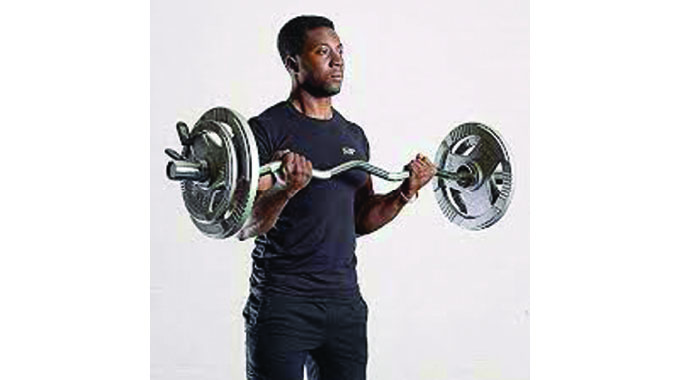
Coach Kelly-Fitness Correspondent
The difference between workout levels:
There are 3 main stages of being a person who actively keeps themselves physically fit; beginner, intermediate and advanced.
The variations in exercise intensity:
Beginners: Start with exercises that prepare the muscles to move with appropriate form if you are new to regular training in order to develop strength and muscle memory. The typical beginner’s workout comprises of moderate intensity, slightly altered versions of exercises with little variety, and shorter workouts. You’ll receive the best outcomes over time if you start off by laying a strong foundation.
Intermediates: An experienced exerciser with a moderately to fairly advanced set of exercises can start to increase the level of difficulty they have reached in their fitness. The intermediate exerciser has understanding of appropriate form, can make adaptations, and is familiar with a range of workouts.
Advanced: To get better outcomes, advanced trainees perform activities that push their bodies to work harder, faster, and more intensely. They have worked their bodies consistently for years and know how to modify factors to push their training requirements. It can get harder for these people to make the small changes over time.
Determining your fitness
What category do you actually fit into now that you are aware of the distinctions between the three degrees of fitness? In order to choose the appropriate exercise intensity, you must be realistic about your prior fitness experience.
There is a reason why certain levels of experience are catered for in fitness programs and training regimens. Exercises and experience levels can be taken into consideration when designing a workout.
You must consider what your body responds to best as well as a starting point. You can increase your level of comfort here, which will gradually boost your level of enjoyment.
In order to benefit from a programme that is customised for you, it’s critical to be realistic about your capabilities and limitations.
The past weeks have been focusing mostly on beginner level workouts. If you missed them be sure to take a look at previous editions.
Today we are going to be looking at training for those who are at the intermediate and advanced level. This programme is designed to help you build strength and fitness without getting too bulky.
It’s perfect for people who are looking to improve their overall health and well-being.
What you’ll need:
A gym membership or access to some basic fitness equipment
A weight that is challenging but allows you to complete all the reps
A mat or towel for floor exercises
How to use this programme:
Do each workout twice a week, with at least one day of rest in between.
Start with the weight that you can comfortably lift for 8-12 reps.
As you get stronger, increase the weight each week.
If you can’t complete all the reps, reduce the weight.
Listen to your body and take a rest day if you need it.
The exercises:
Squats: Stand with your feet shoulder-width apart and lower your body down until your thighs are parallel to the ground.
Bench press: Lie on your back on a bench with your feet flat on the floor. Hold a weight in each hand and lower it down to your chest.
Pull-ups: Grab a pull-up bar with an overhand grip and hang with your arms fully extended. Pull yourself up until your chin is over the bar.
Barbell rows: Stand with your feet shoulder-width apart and hold a barbell in front of you with an overhand grip. Bend down and row the barbell up to your chest.
Dips: Stand with your feet shoulder-width apart and hold onto a dip bar with your hands shoulder-width apart. Lower your body down until your elbows are bent at a 90-degree angle.
Deadlifts: Stand with your feet shoulder-width apart and bend down to grab a barbell with an overhand grip. Keep your back straight and lift the barbell up to your hips.
Overhead press: Stand with your feet shoulder-width apart and hold a weight in each hand with an overhand grip. Raise the weights up above your head until your arms are fully extended.
Barbell curls: Stand with your feet shoulder-width apart and hold a barbell in front of you with an underhand grip. Curl the barbell up to your shoulders.
Triceps pushdowns: Stand with your feet shoulder-width apart and hold a weight in each hand with an overhand grip. Lower the weights down behind your body until your arms are fully extended.
Hanging leg raises: Hang from a pull-up bar with your arms fully extended. Raise your legs up until they are parallel to the ground.
Progression:
As you get stronger, you can increase the weight you lift or the number of reps you do.
You can also add more sets or more exercises to your workouts.
Troubleshooting:
If you’re feeling pain, stop the exercise and consult with a doctor or physical therapist.
If you’re not making any progress, you may need to increase the weight you lift or the number of reps you do.
If you’re feeling tired or sore, take a rest day.
Coach Kelly is the head coach at Invictus Fitness Centre, Westgate, Harare


 leeroy
 Online Reporter