Lovemore Kadzura
Post Reporter
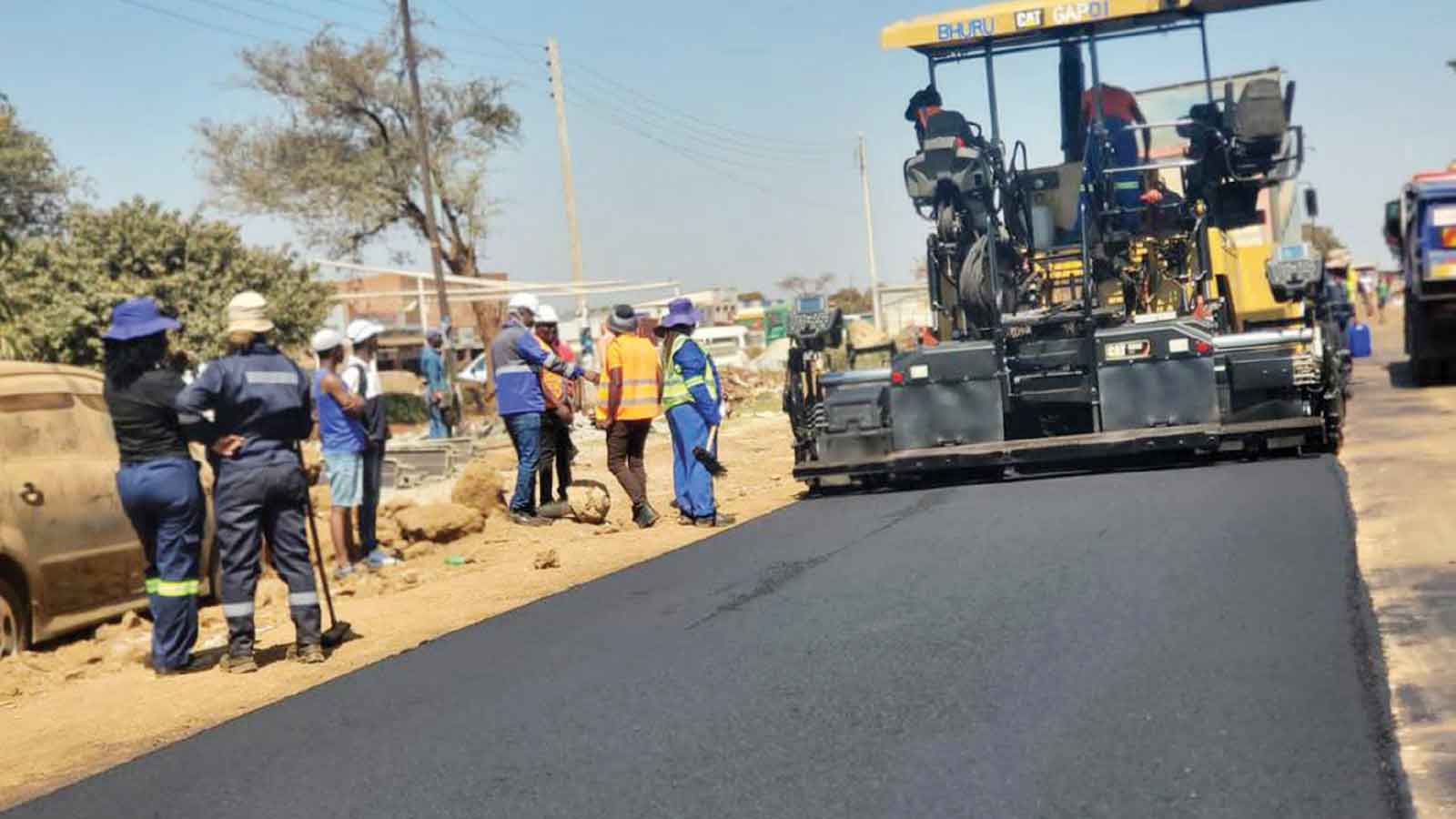
GOVERNMENT is intensifying efforts to upgrade transport infrastructure in Manicaland, with additional kilometres being added to several gravel roads being surfaced as part of a broader programme aimed at improving mobility, boosting economic activity and enhancing access to social services.
The road surfacing initiative, being implemented through the Ministry of Transport and Infrastructural Development, targets key routes that connect farming communities, business centres and growth points across the province.
This year an additional 10km of the Murambinda-Birchenough Bridge Road will be tarred, and the Chipinge-Mt Selinda Road will also get 10km tarred.
The tarring is expected to reduce travel times, lower vehicle maintenance costs and improve the movement of goods and people, particularly in rural areas where poor road conditions have long hampered development.
Manicaland Provincial Roads Engineer, Engineer Raphael Sigauke, said the road upgrades form part of Government’s commitment to modernise the country’s road network and supporting economic growth.
“Government is on a drive to upgrade gravel roads into tarred roads. On the Murambinda-Birchenough Road, 5km of resealing have been completed, 10km is currently being surfaced. This year another 10km will be tarred, and we are now at tendering stage. By end of 2026, 25km of the road would have been tarred.
“On the Chipinge-Mt Selinda Road, there are two contractors working on 10km and 5km, respectively, and the works are progressing well. This year 10km were approved for funding. Work will start soon, and this will give us 25km tarred road stretch. Additionally, 5km along Chiriga-Chikore Road in Chipinge will be surfaced. On Makoni Road (Nyabadza-Osborne Dam), we surfaced 5km. There are ongoing works on different roads and are at various stages. The tarring of these roads will significantly improve accessibility and create opportunities for increased trade, tourism and investment in Manicaland Province,” said Engineer Sigauke.
Road users have welcomed the development, saying improved roads will ease transportation challenges, especially during the rainy season when many gravel roads become difficult to navigate. Local farmers said better roads would facilitate the movement of agricultural produce to markets, reducing post-harvest losses and transportation costs.
While there is visible significant progress on other roads, villagers from Headlands and Makoni North constituencies are complaining of the slow pace on surfacing the Headlands-Chiendambuya-Mayo Road.
They said since last year there has been no tangible progress made on the road by the contractor.
“We are so grateful for being remembered by President Emmerson Mnangagwa when it was announced that our main road will now be finally tarred after decades of promises. The contractor has been on site since last year, but nothing tangible has been done. We are appealing to the Ministry of Transport and Infrastructural Development for clarity on what is going on. They should make sure works are sped up just like what is happening in other areas. The tarring of this road will significantly change the fortunes of Makoni North Constituency as the state of the road is negatively impacting economic and social activities in the area,” said Cde Edmore Madhume of Chiendambuya.
Government has identified infrastructure development as a key pillar of national development, with road rehabilitation projects being undertaken in several provinces to improve connectivity and support economic transformation.
More road projects are expected to be rolled out in Manicaland as funding becomes available, with priority being given to routes that have the greatest economic and social impact.
Funding approved for Buhera, Chipinge Roads