Chronicle Editor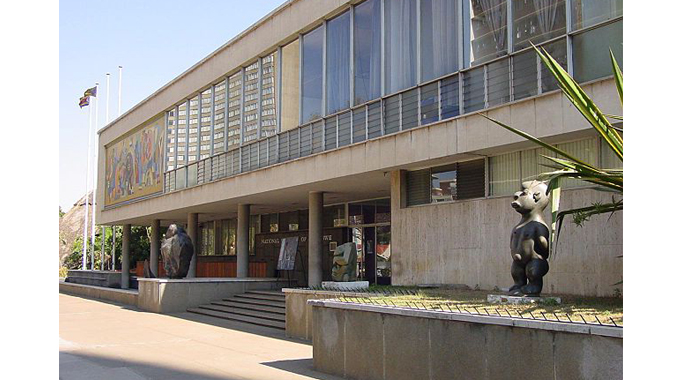
Angela Sibanda, Showbiz Reporter
Apart from targeting income and revenue, art should tell a story that people can relate to and develop an interest in investing their money.
This was the key takeaway message for artistes who were part of a visual art workshop in Gwanda this Tuesday and ended yesterday.
It was organised by the National Gallery of Zimbabwe (NGZ) in Bulawayo and attended by 11 artists drawn from both the rural and urban parts of the town.
The workshop had sessions of art presentations where the artistes were taught priming skills and stretching the canvas.
Artistes were taken through sessions of biography and statement writing facilitated by NGZ sales personnel and visual artist Joseph Munyuki.
Women in Zimbabwe have over the years adopted the skill of beading, producing handbags, jewellery and key holders which they sold mainly to tourists and in neighbouring countries.
However, with many learning the same skill, some bags and designs have become common nationwide, limiting their marketability and value as art pieces.
The NGZ in Bulawayo, covering the southern region of Zimbabwe, has encouraged those producing beadwork to adopt other artistic skills to give their products unique features that will entice clients and be fit for exhibitions.
The gallery is embarking on a regionwide outreach programme meant to mentor and equip artistes with the necessary skills to create artworks that can give them an income.
In her presentation, NGZ regional manager Silenkosi Moyo urged artistes to create pieces whose legacy will live to benefit future generations.
“Art should be treated as an estate, where all investments in the body of art should provide an income for the family even after an artiste’s death.
“Because of that, there should be close monitoring and tracking of artworks. We have had issues with artworks of artists who have died and left gaps on the necessary information for us as a gallery to be able to give their incomes to the remaining family members,” she said.
She also encouraged artistes to keep inventories and do follow-ups to ensure that their family members can track down their works and control what they are used for in future.
Artistes were urged to do collaborations to produce unique art pieces that respond to the market’s modern demands.
“When we call up for exhibitions, we don’t want ordinary handbags, we want art. So it is important for artistes to come together and collaborate their different skills and come up with pieces of art that tell a story that can be sold for a living,” said Moyo.
One of the beading artists Maginess Ndlovu said the workshop was an eye opener for her and she felt there was a lot left for her to do, to improve her work.
“My beading has always been centred on merging beautiful colours and creating something that’ll appeal to someone and influence them to buy.
“I never thought of how my work should tell a story. Now I understand that for artwork to have value, it should carry a story about me, where I come from and the cultural practices in my area,” she said.
Another artist Zibusiso Tshuma said the issue of copyright protection has never been part of his planning and he has sold several artworks both locally and internationally without considering keeping an inventory or monitoring what his artworks were being used for.
“The issue of doing follow-ups on artworks and protecting my art as a legacy had never crossed my mind. I’m realising that I’m in danger of having my art stolen or sold for higher prizes by other people without my knowledge. This workshop has just taught me to look at my work differently,” he said.
The ongoing workshops by NGZ are supported by the Swiss Embassy and Alliance Francaise De Bulawayo and are set to cover the whole of Matabeleland, Masvingo and the Midlands.


 Online Reporter