admin
admin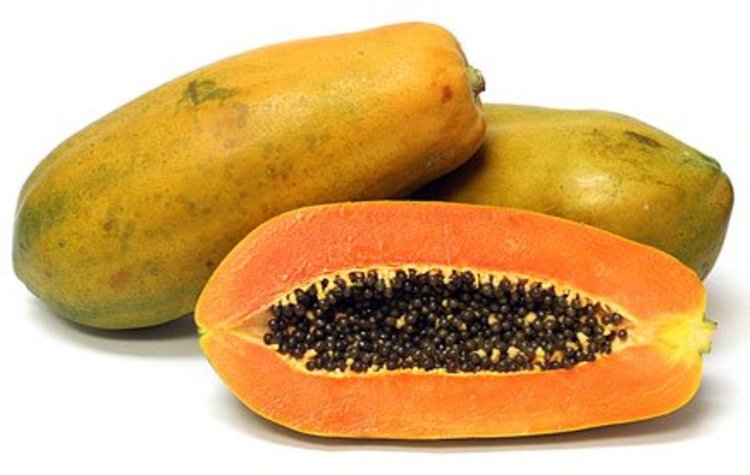
 HAVING grown up in Mutare, one thing still stands out in my mind – the great flavour and smell of fresh pawpaws from our home garden.
It is one of the trees you cannot always climb to get the fruits due to the brittle nature of the stem, but we made it a mission to get those fruits down with as little mishaps as possible.
Carica papaya is a packed fruit from South America. It is laden with vitamin A, C and E.
Eat pawpaws to get extra supplies of dietary fibre, folate, calcium, iron and the vitamin B complex. Pawpaw contains an enzyme called papain, which helps breakdown the proteins we eat into amino acids. This papain also helps with the treatment of rheumatoid athritis, diabetis, strokes and cancer. Eating a pawpaw after a meal helps you get the best out of it.
The economic potential of growing pawpaw tree for papain cannot be ruled out. The latex of Papaya contains papain, which is used for meat tenderising, brewing and tanning in the textile manufacturing industry.
It is widely grown in Tanzania for this purpose. Since the fruit is quite delicate, distant export marketing is limited. The fruit needs to be stored at temperatures above 10°C to avoid chilling injury.
Start your pawpaw tree from seed preferably obtained from healthy local trees as they have become accustomed to the prevailing climate. Sow fresh seed, which should germinate in 2-4 weeks.
There are dioecious and hermaphrodite trees in papaya. Dioecious papayas have trees with separate female and male plants, whilst hermaphrodite plants have both female and male parts on the same flower.
Female plants produce rounded fruits whilst hermaprodite trees produce fruit which is elongated.
There is also a serious issue of GMO (genetically modified organism) trees. GMO trees can pollinate none GMO to produce GMO trees. There is no way of telling whether the plant is GMO except by laboratory testing.
So ensure that you grow seed from local trees as opposed to planting seed from imported fruits.
When planting pawpaw trees – plant three to four trees per planting station and wait for the trees to flower to be able to tell the sex.
Remove the undesired plants to obtain a ratio of one male to eight or twelve female plants. Trees can be spaced at 2,7m in the orchard.
The tree produces fruit within a year and can have meaningful yields for up to three years.
Thereafter it becomes necessary to replace the trees. Keeping the trees for too long complicates harvesting as the fruits soon get out of reach.
Plant a nematode resistant crop before returning another crop of papaya.
Pawpaw trees will grow in most soils but it has to be well drained as waterlogging will result in root rot. However, this tree is drought tolerant and the taste of the fruit actually improves with less water compared to those trees that receive too much water.
Plant your trees in soil enriched with thoroughly decomposed organic manure. Inorganic fertilisers can be added at a commercial level to increase yields at a rate of 900 g to 1,4 kg per tree per year with a compound fertiliser.
There are few pests and disease worries on pawpaw but seedlings can be susceptible to damping off.
Spray a suitable fungicide to combat this problem. Root knot nematode can be a problem on sandy soils. Mulching trees will help reduce nematode populations.
Harvest fruit at first signs of yellowing if it is for distant marketing, but for your home consumption leave the fruits until well ripened. Enjoy a pawpaw desert with ice cream. Happy gardening!
l Andrew is a horticulturist by profession and can be reached by email at [email protected]


 Online Reporter