


 malvernmugadzikwa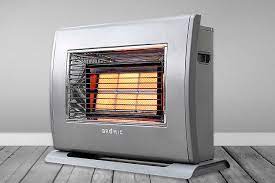
Tinashe Muzvongi
IN home heating, there exists a myriad of options, but gas and electric heaters seem to be the two most dominant choices. Each type has its own advantages and disadvantages. Determining the superior option depends on factors such as energy efficiency, cost, safety and personal preferences. This article seeks to make a comparison between gas and electric heaters, enabling you to make an informed decision based on your heating needs.
Energy efficiency
Gas heaters
Gas heaters are known for their energy efficiency as they use liquefied petroleum gas (LP gas) as a fuel source. When properly maintained and correctly sized for the space they are heating, gas heaters can provide efficient and cost-effective warmth. They convert fuel into heat almost instantly, ensuring quick and effective heating.
Electric heaters
Electric heaters, on the other hand, convert electrical energy into heat using heating elements. While electric heaters are generally less efficient than gas heaters, advancements in technology have led to the development of more energy-efficient models. Additionally, electric heaters allow for zone heating, which means you can heat specific areas of your home, instead of the entire space, potentially reducing energy consumption.
Cost
Gas heaters
Gas heaters typically have lower operational costs compared to electric heaters. LP gas is often less expensive than electricity, resulting in lower monthly heating bills. However, the cost of installation and maintenance for gas heaters can be higher, as they require professional installation and regular servicing.
Electric heaters
Electric heaters are generally more affordable to purchase and install compared to gas heaters. They do not require venting or a fuel supply, making them a convenient option for many homeowners. However, the cost of electricity can be higher than that of gas, which may result in higher long-term operational expenses.
Safety
Gas heaters
They pose certain safety risks due to the combustion process involved. There is a potential for gas leaks, carbon monoxide poisoning and fire hazards if the heater is not properly maintained or if there are issues with the gas supply. Regular maintenance, including professional inspections, is essential for ensuring safe operation of gas heaters.
Electric heaters
Electric heaters are generally considered safer than gas heaters. They do not produce carbon monoxide or combustion by-products, eliminating the risk of carbon monoxide poisoning. Additionally, electric heaters typically have built-in safety features such as tip-over protection and automatic shut-off mechanisms, providing peace of mind, especially in households with children or pets.
Heating capacity and convenience
Gas heaters
Gas heaters are known for their high heating capacity and ability to quickly warm up larger spaces. They provide a consistent and powerful heat output, making them suitable for colder climates or areas that require rapid heating. Gas heaters can also continue to provide warmth during power outages, as they do not rely on electricity.
Electric heaters
They are available in various sizes and types, offering flexibility in terms of heating capacity. They are well-suited for smaller spaces or targeted heating, providing localised warmth where it is needed most. Electric heaters are also convenient to use, as they are easily portable and can be plugged into standard electrical outlets.
Conclusion
The decision between gas and electric heaters ultimately depends on your specific needs and preferences. Both options offer their own unique advantages and disadvantages and there is no one-size-fits-all solution. Gas heaters are efficient and offer high heating capacity, but they come with safety risks and may require professional installation. Electric heaters are more affordable, safer, easier to install and maintain, but may not be suitable for larger spaces and their energy efficiency depends on the source of electricity generation in your area.
Tinashe Muzvongi is an expert in the gas equipment fraternity. He is the co-director of T&C Gas Equipment and Accessories. Send your feedback to: [email protected] or WhatsApp: +263 77 518 5263.



 Bongani Ndlovu
 Online Reporter