admin
admin
Leonard Ncube, Victoria Falls Reporter
IN 2018, Hwange based Buwalo Matalikolo Trust (BMT) started the Gender Action Teams (GATs) programme to help identify, track and ensure justice is served in cases of abuse.
The GATs was a four-year initiative which was part of the Rights Action and Accountability (RAA) programme implemented in three countries – Sierra Leone, South Africa and Zimbabwe by SafAids in partnership with Sonke Gender of South Africa and Norad with implementing partners in each country.
In Zimbabwe, BMT was the implementing partner for the programme that was completed last year in Madumabisa, Matetsi and Silewu wards in rural Hwange.
This was meant to educate the public on gender-based and domestic violence and crimes related to abuse as well as enabling access to justice. This also included training of GATs, community members, journalists and other stakeholders such as traditional leaders to identify GBV and help track cases of abuse that may have been swept under the carpet.
The RAA project was aimed at mobilising and empowering communities to identify abuse and be able to hold authorities accountable.
To improve livelihoods and enhance food resilience, the programme funders started goat and chicken projects for the three wards, with each receiving 10 seed goats and 100 chickens to start income generating projects for continuity after the expiry of the programme.
Each ward started with 15 trained GATs who have cascaded the training to their communities.
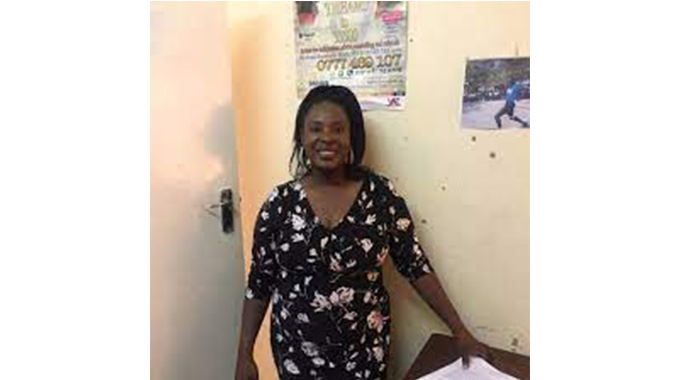
Speaking on behalf of GATs, Ms Precious Mungombe of Farm 56 in Lubangwe who is one of the GAT members said the community now understands issues related to GBV.
She said despite the completion of the RAA cycle, they are able to commemorate the 16 Days of Activism against Gender-Based Violence using proceeds from the goat and chicken projects without external sponsors.
The period started last Friday on the International Day for the Elimination of Violence against Women, and runs through International Human Rights Day on 10 December.
“Some of the GATs left after getting jobs but what is important is that the programme has cascaded into communities which has helped in fighting GBV. Our role is to help people identify and report cases of domestic violence and any other abuse that may take place in their area or family.
“In the past, we would see some cases not being followed up and this is what we’ve been doing. With the goat and chicken projects, GATs have been able to sell some and use the money for handling these cases,” she said.
Ms Mungombe said eight of the 10 goats given to Matetsi ward last year in November had given birth.
She said the members want to expand the project and cross breed the goats so that they don’t only multiply in number but also give different breeds.
Ms Mungombe said the project was viable in the concerned wards.

Without giving statistics, she said they had attended to several cases that have been concluded at the courts while others are being attended to.
BMT executive director Mrs Annah Mandizha-Ncube said the goat and chicken projects were an initiative to ensure continuity of activities against GBV post the RAA funding cycle.
“The work of GATs is around raising concern about the importance of implementing GBV interventions from the point of violation to justice being served. So to ensure that this continues even after the funding cycle ended last year, each ward was given 100 chickens and 10 goats so they start projects that can keep the members together and at the same time improve livelihoods.
“This is spearheaded by young people so that they’re empowered economically and as GBV champions. We had 15 GATs per ward but now we are left with a core group of 30. Through these projects, they’ve been able to reach out to communities raising awareness and in Silewu they have donated learning materials to children. As we speak, some of them have decided to sell three of the goats and use the proceeds to finance this year’s activities for the 16 days of gender activism,” said Mrs Mandizha-Ncube.
She said the projects have also created jobs for communities. — @ncubeleon.



 Online Reporter