Richard Muponde-Zimpapers Politics Hub
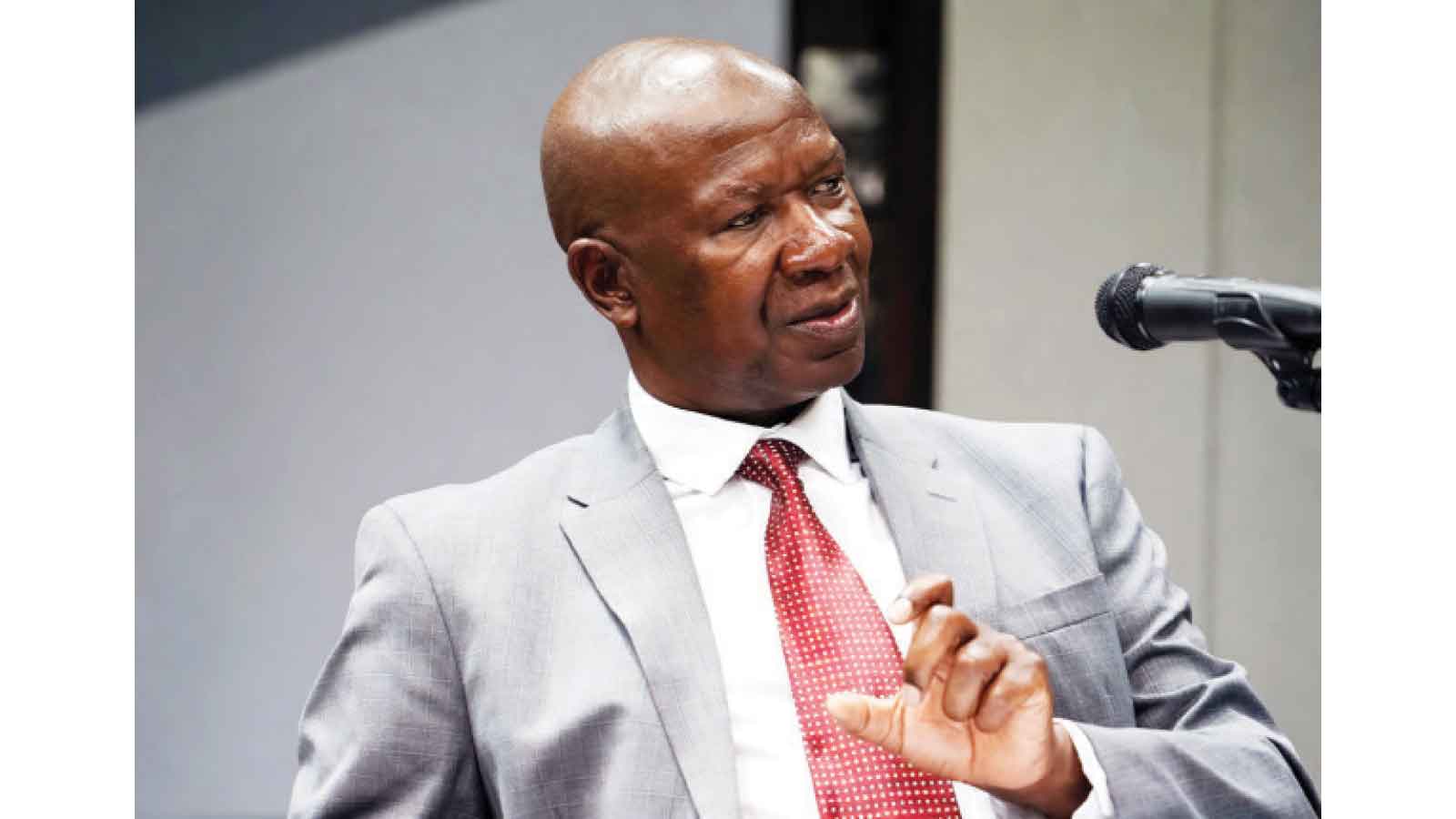
THE appointment of former Commander Zimbabwe Defence Forces General (Rtd) Philip Valerio Sibanda to the ZANU PF Politburo by President Mnangagwa has emerged as one of the most calculated and politically significant decisions of the Second Republic.
Coming at a critical time when Zimbabwe is pursuing economic emancipation through the Cabinet Accelerated Blueprint programme and Vision 2030, the elevation of Gen Sibanda into the ruling party’s highest decision-making organ outside Congress represents far more than a routine political appointment.
It is a strategic consolidation of liberation ethos, State stability, institutional memory and revolutionary discipline at a time the nation faces increasing geopolitical and economic pressure from global powers competing for Africa’s vast mineral wealth.
President Mnangagwa’s decision reflects his enduring belief that Zimbabwe’s developmental trajectory cannot be separated from the liberation ideals that delivered political independence in 1980.
In Gen Sibanda, the President has identified a figure whose life story embodies sacrifice, patriotism, discipline and unwavering loyalty to the nation. The move, therefore, symbolises the fusion of liberation war values with modern economic nationalism under the Second Republic’s industrialisation and modernisation agenda.
From Cde Gwenzi to national strategist
Gen Sibanda’s journey from liberation fighter to Politburo member mirrors Zimbabwe’s own historical evolution. Known during the liberation struggle as Cde Gwenzi or Ananias Gwenzi, he joined the armed struggle in 1973. He rapidly rose through the ranks of ZIPRA to become one of its respected commanders. His role within the ZIPRA High Command and later as chief of reconnaissance for military intelligence demonstrated strategic brilliance at a young age. Those responsibilities required meticulous planning, foresight and the ability to make decisions under immense pressure, qualities that continue to define his leadership style decades later.
The “Cool Ruler” and the politics of stability
What distinguishes Gen Sibanda from many contemporaries is his calm and composed posture, a characteristic that earned him admiration across political and military divides. Described in military circles as “Mr Perfect” and by others as the “Cool Ruler,” Gen Sibanda cultivated a reputation of being stern yet measured, disciplined yet approachable. This temperament became critical during moments of national uncertainty, especially in periods requiring restraint, stability and mature leadership.
Senior nationalist the late national heroine Cde Jane Lungile Ngwenya once described him as a gentleman whose leadership qualities were visible from his younger years. Even during the liberation struggle, his calm demeanour and disciplined conduct made him stand out among fellow combatants. That character has remained consistent throughout his military and public service career.
His contribution to national cohesion during the 1987 Unity Accord negotiations remains one of the often understated but defining chapters of Zimbabwe’s post-independence history. Commanders such as Gen Sibanda reportedly played a sober and stabilising role during negotiations that eventually produced unity between ZANU and PF ZAPU. This demonstrated that beyond military command, he possessed political maturity and an appreciation of peace-building as the foundation of national development.
The trusted commander behind the Second Republic
Gen Sibanda’s political and strategic importance became even more pronounced during the dramatic events of November 2017. Testimony from Vice President Constantino Chiwenga revealed the extent of Gen Sibanda’s loyalty and trustworthiness towards President Mnangagwa. Faced with what was perceived as imminent danger to President Mnangagwa’s life following his dismissal as Vice President, Gen Sibanda reportedly coordinated efforts that ensured his safe passage out of the country into Mozambique.
This was not merely an operational mission. It represented loyalty to constitutional order, national stability and the preservation of Zimbabwe’s political future. At a time of uncertainty, Gen Sibanda demonstrated decisiveness, strategic calmness and unwavering dedication to the nation.
The military under his stewardship reportedly remained disciplined and peaceful during the tense political transition. Such restraint further reinforced his image as a leader who prioritises national interest above personal ambition or political opportunism.
It is equally symbolic that Gen Sibanda reportedly coined the phrase “Operation Restore Legacy,” a term that became central to Zimbabwe’s transition into the Second Republic. The phrase encapsulated the broader ideological thrust of preserving liberation gains while repositioning the nation toward economic renewal and political stability.
Linking liberation heritage to economic emancipation
President Mnangagwa recognises that Zimbabwe’s push toward an Upper-Middle-Income status requires leaders with institutional memory, strategic discipline and unquestionable patriotism. The fight for economic emancipation is increasingly tied to control over natural resources, industrial value chains and sovereign policy direction.
Zimbabwe’s rich lithium reserves and other strategic minerals have attracted growing international interest, making political cohesion and revolutionary vigilance critical national priorities. In this context, Gen Sibanda’s liberation credentials and security background become highly relevant to the country’s broader economic agenda.
His appointment sends a clear message that Zimbabwe intends to safeguard its resources and developmental vision against external manipulation. The liberation ethos that defeated colonial domination is now being repositioned to confront economic dependency and resource exploitation in the modern era.
Through Gen Sibanda’s inclusion in the Politburo, President Mnangagwa appears to be strengthening the ideological armour of the ruling party as it advances Vision 2030 and the Cabinet Accelerated Blueprint programme.
A military and diplomatic career forged in service
Beyond liberation credentials, Gen Sibanda also possesses extensive diplomatic and international peacekeeping experience. He headed the United Nations Mission in Angola between 1995 and 1998 as Force Commander responsible for peace and national reconciliation.
That role elevated his stature beyond Zimbabwe and exposed him to complex regional security and governance challenges. Angola itself reportedly remembers Gen Sibanda as a respected military figure whose contribution extended beyond Zimbabwe’s borders into broader Southern African liberation and stabilisation efforts.
Following Independence in 1980, Gen Sibanda joined the national army and steadily rose through the ranks. He became major-general in 1994, commander Zimbabwe National Army in 2003 and later Commander Zimbabwe Defence Forces.
His career trajectory reflects decades of disciplined service, strategic leadership and unwavering patriotism.
This unparalleled experience across both pre- and post-independence epochs makes him one of the few national figures capable of bridging Zimbabwe’s liberation history with its future developmental aspirations.
Strengthening ZANU PF’s revolutionary foundation
Gen Sibanda’s appointment also reinforces the ideological backbone of ZANU PF itself. The ruling party has historically defined itself as a revolutionary movement rooted in liberation struggle values rather than a conventional political organisation.
By elevating Gen Sibanda, President Mnangagwa signals that ZANU PF continues to value cadres who have consistently defended national sovereignty across generations. His appointment reassures liberation war veterans, party structures and younger cadres that revolutionary credentials, patriotism and discipline remain central pillars of leadership within the party.
Importantly, Gen Sibanda is widely viewed as a results-oriented strategist and organiser who makes things happen. His disciplined approach to leadership is expected to strengthen party structures and sharpen focus on national development objectives.
The appointment, therefore, demonstrates ZANU PF’s ability to regenerate itself through seasoned leadership while maintaining continuity with liberation principles. In Gen Sibanda, the party appears to have birthed yet another critical asset capable of defending the revolution while steering national transformation.
Anchoring Vision 2030 through revolutionary leadership
Ultimately, President Mnangagwa’s appointment of Gen Sibanda to the Politburo can be interpreted as a masterstroke precisely because it arrives at a defining moment in Zimbabwe’s history. As the country intensifies efforts toward economic emancipation and Vision 2030, the Second Republic requires leaders capable of defending sovereignty, maintaining stability and inspiring national confidence.
Gen Sibanda’s liberation credentials, diplomatic exposure, military discipline and unwavering loyalty position him as one of the most strategic additions to the party’s leadership matrix.
His elevation is, therefore, not simply about recognising past service. It is about deploying an experienced revolutionary cadre into the centre of Zimbabwe’s economic and political transformation agenda.
In doing so, President Mnangagwa has reinforced the message that the journey towards an upper middle income economy will remain anchored on liberation ethos, national unity and disciplined leadership that brought Zimbabwe its independence.