Online Reporter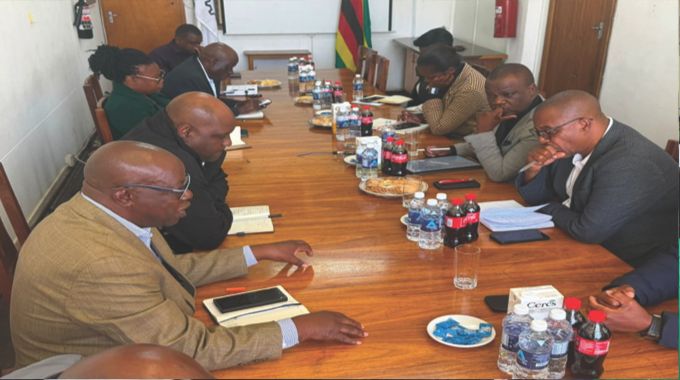
Bongani Ndlovu, [email protected]
THE Zimbabwe Media Commission (ZMC) executive secretary, Mr Godwin Phiri, has called for concerted efforts to safeguard public service journalism, saying the media is critical for the nation’s survival.
Mr Phiri made the remarks yesterday after touring the Zimpapers’ Bulawayo branch and engaging management as part of the commission’s Bulawayo media tour.
He said he was encouraged by the commitment to professionalism and efforts being made to uphold standards despite the challenges confronting the media industry.
“I think what is most encouraging is that our media industry is still alive. Yes, we have serious challenges related to our sustainability and because of that, our industry seems to be shaking a bit,” said Mr Phiri.
“However, we are encouraged by the dedication to professionalism and upholding standards to ensure our media industry doesn’t die.”
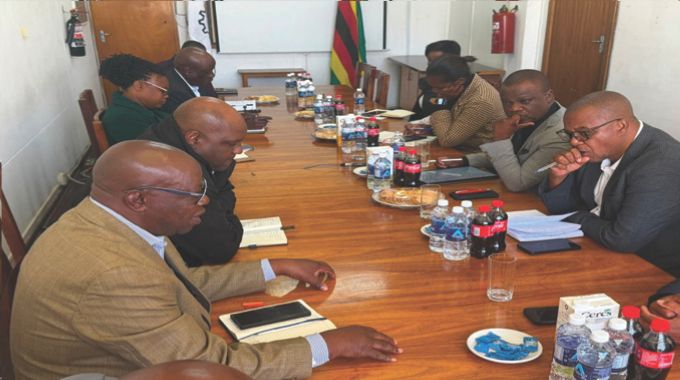
Mr Phiri said the engagement had brought to the fore a number of issues affecting the media industry, ranging from policy and practical challenges to training needs.
“A number of issues came up, some of them are policy-related, some of them are really practical and some are training issues. We are therefore, going to sit down as a commission, consolidate that and see what entry points we can come up with to begin to address these issues,” he said.
Mr Phiri said addressing the challenges would require a multi-stakeholder approach involving Government entities, private sector players and other stakeholders.
“It will then require that we discuss with stakeholders who are relevant to the issues that have been raised. It needs a multi-stakeholder approach. It cannot be handled by one institution,” he said.
Mr Phiri said ZMC would, after consolidating the issues, identify relevant stakeholders to bring to the table for comprehensive discussions on the challenges facing the media industry.
He said the overarching lesson from the engagement was the importance of preserving public service journalism.
“I think the overarching lesson is that public service journalism must not be allowed to die. When public service journalism dies, then the very survival of the nation is at stake,” said Mr Phiri.
He said a vibrant media was essential in ensuring that citizens and communities remained informed and had platforms to discuss issues affecting them.
“It’s important that our societies are informed, our communities are informed, that our societies have an opportunity to discuss, to talk about themselves and the survival of this media is therefore key to that achievement,” said Mr Phiri.
Zimpapers Intake Editor Limukani Ncube said the ZMC visit was important as it enabled the commission to engage media practitioners on the ground and gain a first-hand understanding of their operations.
“We appreciate the visit by the Zimbabwe Media Commission. It’s one thing for them to speculate while away in the comfort of their offices and equally, it’s another thing to come down and see our operations first hand and talk to editors, management and even the foot soldiers,” he said.
Ncube said it was encouraging to hear that the commission was also focused on improving media operations and ensuring that journalism standards and ethics were upheld.
“It’s good to hear that ZMC is also seized with the task of improving media operations to ensure that journalism standards and ethics are upheld,” he said.
Ncube said the engagement also provided an opportunity to discuss areas of collaboration between Zimpapers and the commission.
“We also discussed areas of collaboration and we are always ready to share notes on how to navigate the digital transformation that we are in as an organisation and media sector in general,” he said.