Online Reporter
Victor Maphosa
Mashonaland East Bureau
THE Zimbabwe Gender Commission (ZGC) has received and handled about 4 000 gender-based violence related cases since its inception a decade ago, with sexual harassment cited as the most frequently reported violation in Zimbabwe.
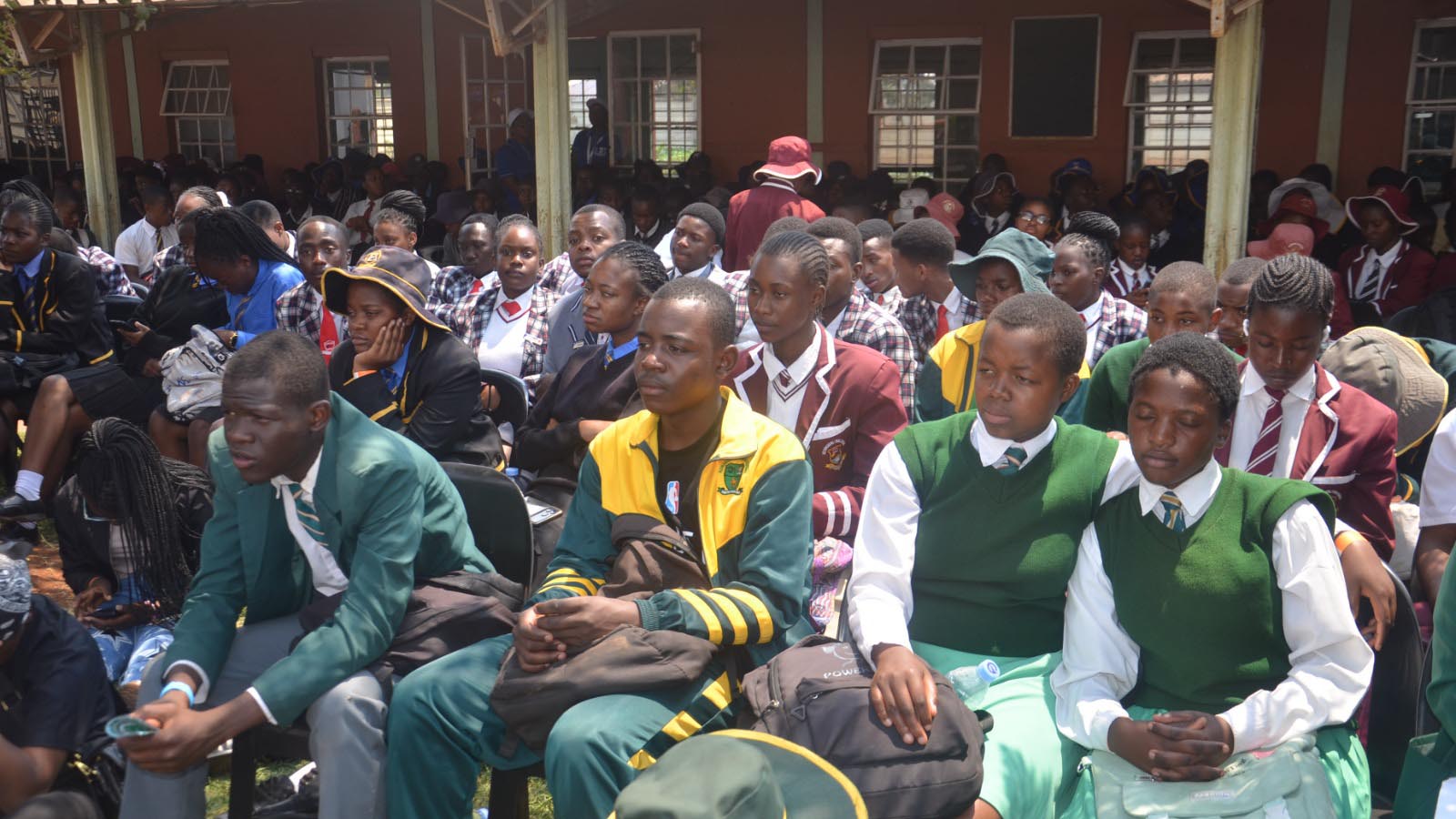
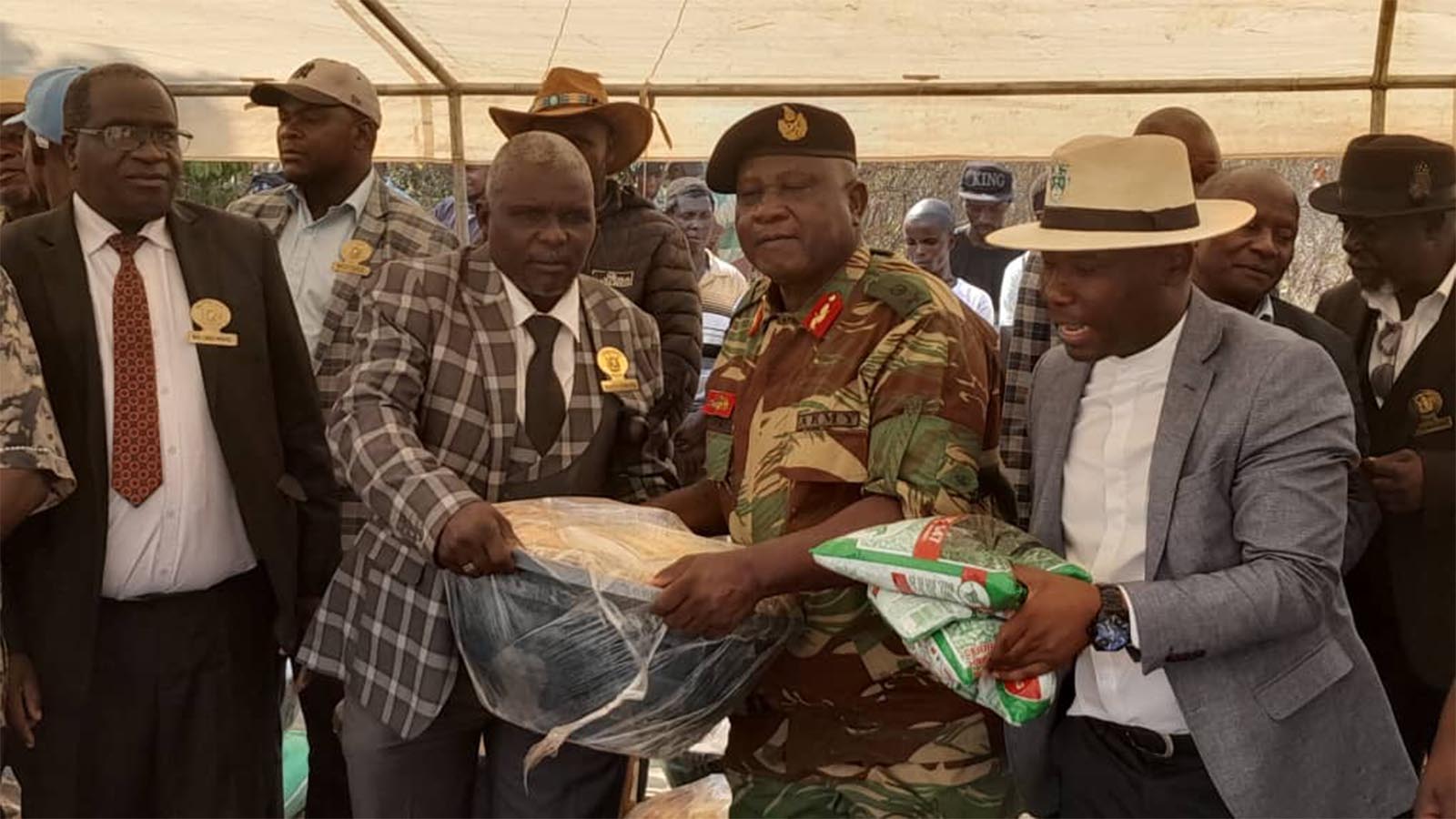
This was revealed at provincial gender dialogues that were held in Bindura, Mashonaland Central Province and Marondera (Mashonaland East), this week.
While giving his remarks during the Mashonaland East Provincial Gender Commission Forum held in Marondera on Tuesday, the commission’s vice-chairperson, Obert Matshalaga, said the discussions being held across all provinces are a critical precursor to the event, a statutory requirement as spelt out in Section 8(1) of the Zimbabwe Gender Commission Act [Chapter 10:31], which mandates the body to “annually convene and host a National Gender Forum to discuss any issues related to the commission’s mandate and functions”.
This year’s forum is being held with the following specific objectives; to reflect on and take stock of achievements and lessons learnt from ZGC’s decade-long work, to identify emerging and future priorities for gender equality and amplify voices from communities and stakeholders in Zimbabwe and to catalyse action-oriented dialogue on innovative, inclusive and sustainable strategies to accelerate gender equality.
Comm Matshalaga said over the past decade, the commission has worked tirelessly to fulfil this broad mandate and has made notable achievements regardless of challenges they met during the journey.
“We have driven meaningful change through strategic policy engagements and national dialogues, particularly through our annual National Gender Forums, which have been instrumental in driving reforms and influencing changes to policies, laws, customs and practices across various sectors.
“There has been accelerated women’s political empowerment through the Women Rise in Politics Programme, which has equipped aspiring female leaders with critical campaign skills and political acumen, shattering long-standing barriers to their engagement in governance processes.
“We also conducted gender audits of political parties and established a Gender Observatory to monitor gender issues in political and electoral processes. These processes have provided invaluable insights and recommendations aimed at promoting gender equality in Zimbabwe’s political and electoral process.
“Also, we received and handled over 4 000 cases of gender-based complaints. These cases include land and property disputes, child marriages, chieftainship conflicts, discrimination, violence and harassment in the workplace, and sexual and gender-based violence. Among these, sexual harassment stands as the most frequently reported violation, a stark reminder of the challenges we must confront,” he said.
Comm Matshalaga said ZGC has not only contributed to the Labour Amendment Act, which criminalises sexual harassment, but developed a strategy and training manual to support action.
In Bindura, Commissioner Nyepudzai Nyangulu painted a troubling picture of abuse, particularly affecting women in vulnerable work environments, both in formal settings and rural communities.
“It is frightening. Many women endure harassment simply to keep their jobs or survive economically,” she said.
Dr Nyangulu shared a story about a phone call that led to domestic strife, when a woman was accused by her husband of infidelity after another man mistakenly called her number.
“It may seem minor, but this type of misunderstanding, fuelled by a lack of digital privacy, can break families and even lead to violence,” she said.
Such cases underscore the importance of the Data Protection Act of 2021, which is designed to protect women and girls from online and technology-related violations.