Chronicle Editor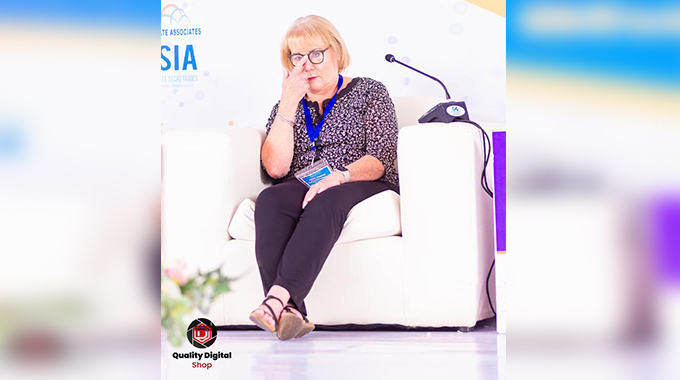
Prosper Ndlovu recently in Victoria Falls
IN a male-dominated world and particularly in Africa where patriarchal conservative cultural values remain strong, the biggest question is how can Zimbabwe propel more women into top leadership positions where they can make more meaningful impact in national or organisation development?
Through inspiration from those who have made it, encouragement from home, self-belief, aggression and passion in pursuit of personal ambitions, women can break the leadership barriers and be champions of an inclusive and empowered society.
Gender equality, the principle that all individuals should have equal rights, opportunities and freedoms regardless of their gender, generated a lot of debate at the recent 2024 Chartered Governance and Accountancy Institute of Zimbabwe (CGAIZ) Conference in Victoria Falls where successful women leaders had the opportunity to share their transformation stories.
While the country’s Constitution and the laws provide for gender equality, it takes cultural and a mindset shift supported by a determination and fighting spirit of the women themselves to break the stubborn and structural gender barriers.
Women leaders who attended the conference said this during discussions while calling for more efforts towards breaking leadership barriers, which they said was not easy in their personal journeys, and is still not easy for many.
Former Zimbabwean Ambassador to Zambia, Getrude Takawira, now a policy advisor to CGAI Global, who has served in various other high level positions, said women must believe in themselves and appreciate that they were born with a purpose as a starting point.

She said gender equality and women empowerment must be understood beyond mere numbers but in terms of power relations and its impact on key decision making as well as distribution of resources or wealth.
This is critical towards achieving a sustainable, transformative and inclusive future, said Amb Takawira.
“When we say we want more women in leadership it’s not just about numbers but the value they bring. We are looking at a certain kind of strength and impact that a woman-leader brings. There’s a certain value aspect that women must deliver and as such we don’t want cosmetic representation,” she said.
“We can’t just celebrate that women are there alone but what power do they possess, not just numbers but the strength they bring in transforming organisations. It’s about building the future, a greater future for all and fulfilling a transformative agenda.”
Amb Takawira shared the story of how she applied herself with discipline through education, creating networks and aiming higher with self-belief in a brighter future.
Mrs Thokozile Ruzvidzo, a gender expert who boasts 40 years in leadership positions at various organisations locally and abroad said her milestones were inspired by other women who have made distinctive strides in life with impact in their spheres of life.
She urged women and young girls to stand up and fight for their space to be accorded equal respect to men.
Through her experience, she said she has learnt that some men were supportive of her growth unlike women and vice-versa.
Citing study findings, Mrs Ruzvidzo said there were fewer women leaders in the corporate governance and accountancy profession across all sectors, which emphasises the need to break the gender barriers.

“Overcoming gender barriers is critical. We can have positive gender bias where men deliberately support women to thrive, and men can be allies for women empowerment,” she said.
Mrs Wadzanayi Phiri, the founder and managing director of Coronation Solutions, a consulting firm that provides governance, risk and compliance services among others, said her transformation story began at her home as a child.
Raised by a powerful single mother, Mrs Phiri said her mother imparted in her valuable life values and leadership inspiration including encouragement to develop and always value relationships with other people, which has helped her develop good business networks.

Despite discrimination by some male figures in her professional growth, she said she was able to stand firm and defend her convictions until she made the breakthrough.
South Africa-based Ms Jill Parratt, the past president of CGI global and a distinguished charted governance expert also told her success story, emphasising the need to address stubborn cultural values that limit societal transformation.
She said ensuring equal opportunities for women must be buttressed by continued and deliberate policy reviews at both national and organisational levels.
Beyond this, Ms Parratt said gender equality must be cultivated at home first through socialisation as a cultural value before being demanded at offices or at the workplace.


 Online Reporter