

 Chronicle Editor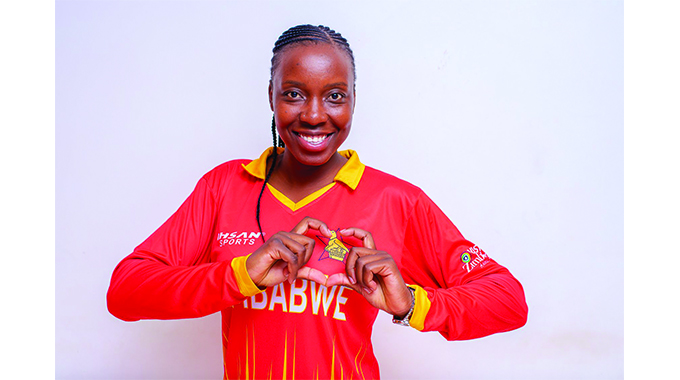
Innocent Kurira, Sports Reporter
UNDERVALUED, unappreciated, uncredited, underrated, unnoticed, unrecognised, unrewarded, unsung, unloved, and uncared for. That is the current reality faced by women in sport in Zimbabwe, both at national team and individual level.
But the recent success of the country’s women in sport has given birth to hope and expectation that things are about to change for the better.
The country’s netball team recently qualified for the netball World Cup for the second time running while the rising stock of the Lady Chevrons in cricket is worth all the praise.
Kudakwashe “Take Money” Chiwandire has been doing extremely well in the boxing arena and is the World Boxing Council (WBC) interim super bantamweight champion.
Success at the global stage, breaking new ground and making history by women in sport is an affirmation of the changing landscape in sport. Before they made headlines and turned heads, the Gems were a nonentity.
Netball was confined to provincial leagues in Harare and Bulawayo only. Save for school competitions, the sport seemed to be so minor that few thought the country would compete at international tournaments.
The same was with cricket. Just a few years ago, when Zimbabwe Cricket launched the female version of the sport, expectations of success in the “project” were low.
The Lady Chevrons have made a name for themselves in International Cricket Council competitions. They are flying the country’s flag high and promise to keep it at the apex.
The female players seem to have plucked a leaf from the Golden Girls, hockey national team that won a gold medal at the 1980 Olympics. Such inspiration continued with swimming sensation Kirsty Coventry’s success at the Olympics as well.
In all the pomp and the pat backs, support rendered to female national teams has been negligible. Financial resources have been scarce. Rewards after stellar performance are low, drawing public condemnation as many feel that male teams are better rewarded.
The pampering that men’s teams get demonstrates a great divide and extreme bias. A closer look at the dynamics in the allocation of financial resources reveals that women actually need more support than men.
Apart from the usual sporting equipment, women have special needs. They have different nutritional requirements to spur performance based on their biological nature.
They need psychological support, toiletries, and all that any girl would need at camp. For the team to enhance chances of qualifying, they need comprehensive support.
Sports scientist and administrator Khanyile Dlamini says women deserve even more support than their male counterparts.
“It’s a systematic exclusion that has already been existing where we see the female athlete not getting the support that their male counterparts face. It’s not enough to call for equal allocation of resources because the female actually needs more than what is needed by the male athlete.The pressures are different from what the males face.
“We have a few women who are involved in sport as athletes and administrators. But that does not sum the total of the depth that we have as a country.
We would be better and at greater heights if more support is offered to the female athlete.
“Recently, because of the performances of our ladies national teams, there is a drive to look at women. It’s a good thing that it’s happening now. Hopefully from here more support is given to the female both in administration and active sport,” said Dlamini.
Female sports scientist and administrator Adelaide Gumbo says women in sport should be appreciated more than what is on the ground now.
“Financially we should support our women more. You look at football and the support that they get each time they want to go on national duty. Things should be the same for our ladies’ national sides. We should appreciate our female athletes more because they have proven what they can do.
“We should make sure that national duty rewards so that we have more athletes and women taking up administrative roles.
“I can attest that there are a lot of sporting activities by women that are failing to get funding within the communities they are, further hindering the advancement of women in sport and other physical activities.
“We should educate women on Safe Sport which will encourage more women to come into sport and open doors for other women to get into sport,” said Gumbo. – @innocentskizoe


 Blessing Chizhande
 Online Reporter